
Wondering what carpet cleaning costs in Auckland? Learn what affects the price, why the cheapest quote is not always best, and how to get the best value.
Written by Anita Collins-Preiss
How Often Should You Professionally Clean Your Carpets?
How often should you professionally clean your carpets? The answer depends on your household, property type, and how you use your space. Here is what Auckland homeowners, landlords, and business owners need to know.
Cockroach Control in Auckland: What Actually Works
Cockroaches surviving your DIY sprays? Discover why they're so hard to remove, the health risks involved, and how professional treatment works
Spider Season in Auckland: When to Call a Professional
Not sure if your spider problem needs a professional? Discover which Auckland spiders matter, why they keep appearing, and how treatment works
Ant Pest Control in Auckland: Why Ants Keep Coming Back
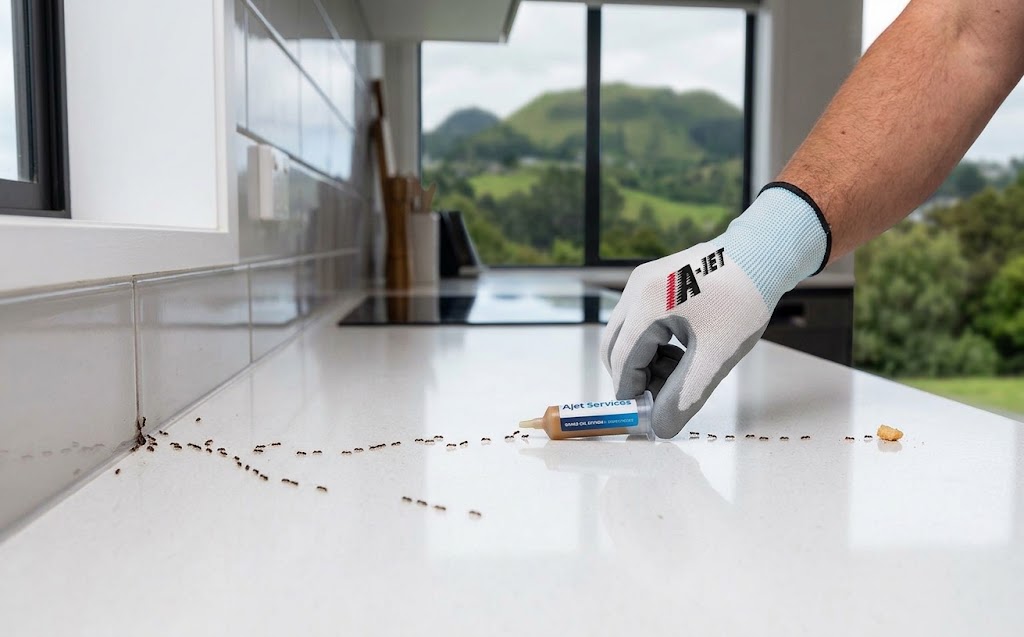
Ants returning in your Auckland home usually means the nest survived. Discover why sprays fail, how colonies rebuild, and when to call a professional
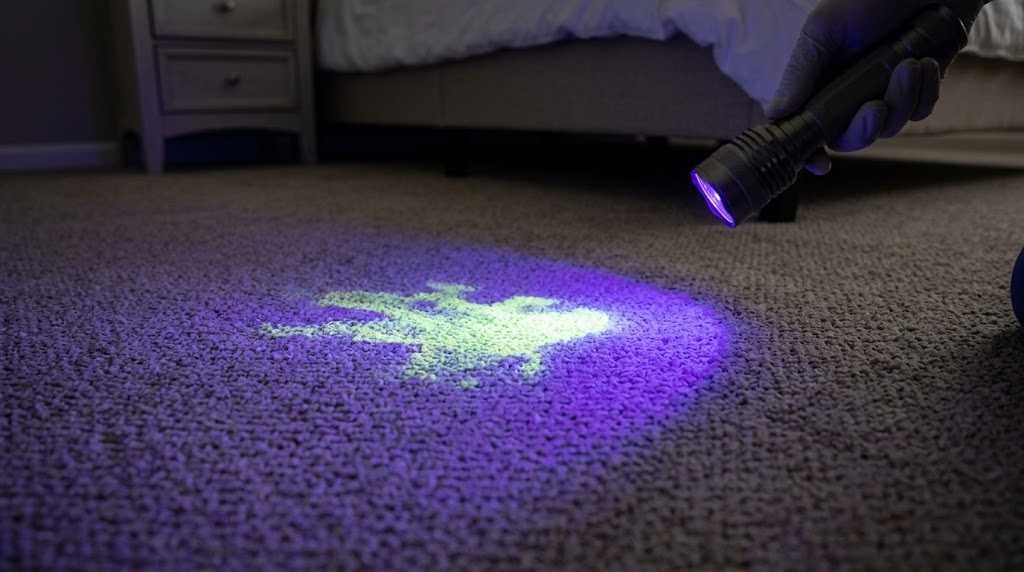
How UV Light Inspection Revealed Hidden Pet Urine Damage and Saved Thousands in Unnecessary Repairs
A professional UV light inspection uncovered hidden pet urine contamination across multiple rooms. The homeowner avoided costly property-wide treatment by targeting remediation to affected areas only, saving thousands in unnecessary costs.
The Real Reason Your Carpets Look Dirty Again After Cleaning
If your carpets keep looking dirty a week after cleaning, wicking or detergent residue is almost always to blame. Here is what is causing it and how a proper professional clean fixes it for good.
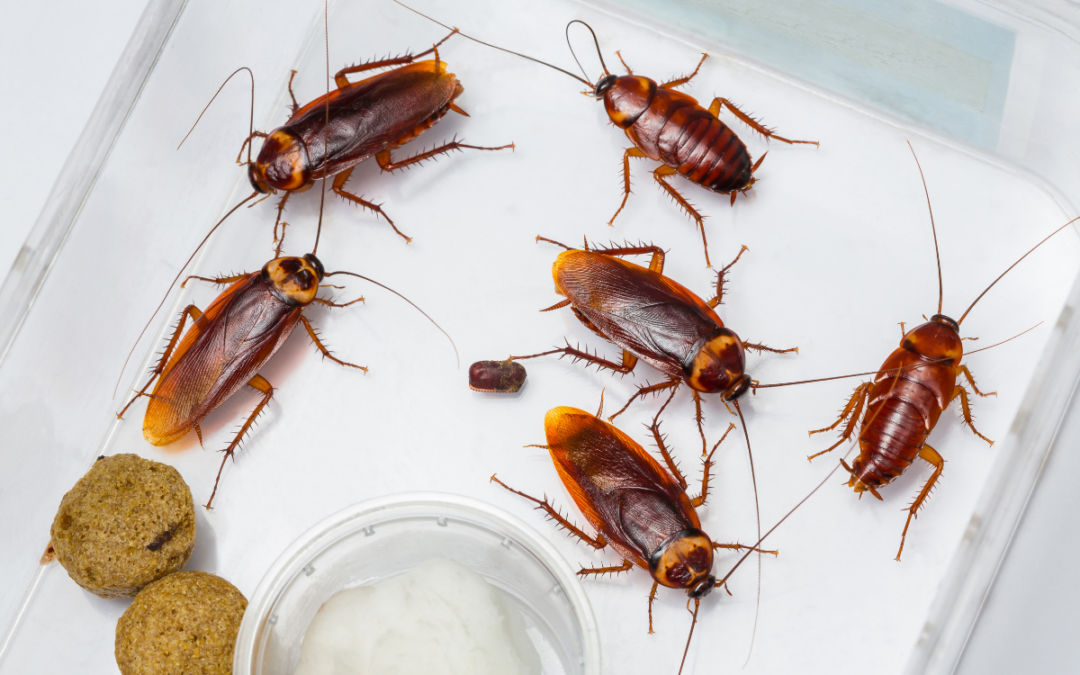
How to Prevent Common Summer Pests: Auckland
As summer approaches in Auckland, it brings warmer weather and longer days – perfect for social gatherings, barbecues, and enjoying the outdoors. However, summer also brings an increase in pest activity. Auckland’s warm and humid…
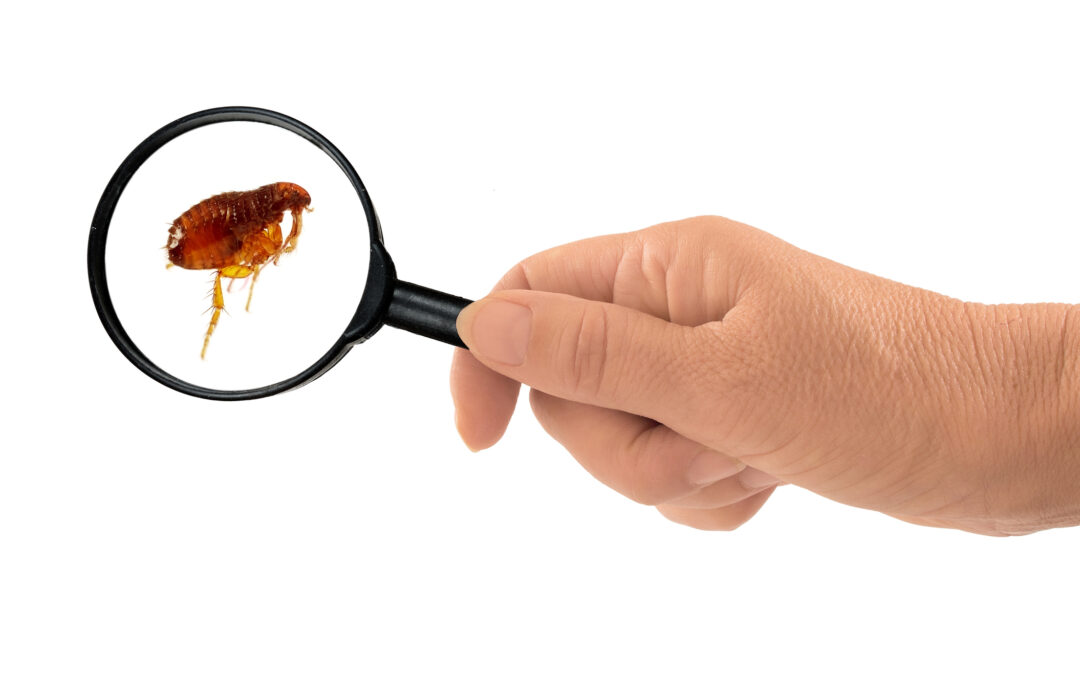
12 Interesting Facts About Fleas
Fleas are more than just a nuisance; they are fascinating creatures with unique characteristics. Understanding these tiny pests can help you manage and prevent infestations in your home or business in Auckland. Here are 10…

Pest Control Tips for Winter
As winter sets in across Auckland, the need for effective pest control becomes paramount. The colder months drive pests indoors in search of warmth and food, making it essential to adopt proactive measures to keep…
Many Aucklanders and New Zealanders see a buzzing insect and assume it’s just a “bee” or a “wasp,” but bees, wasps and hornets are very different insects with different roles in our environment.
Knowing the difference is key to protecting pollinators and supporting biosecurity. Recently, Stuff noted that nearly 10,000 sightings of yellow-legged hornets were reported on Auckland’s North Shore, with the Ministry of Primary Industries (MPI) urgently collecting this information from the community as part of efforts to detect and eliminate invasive hornets.
Being able to spot the difference between bees, wasps and hornets will help you to understand when a beekeeper should be called to relocate bees, get wasp specialists in to treat growing nests, and know when to report a potential invasive species sighting to MPI.
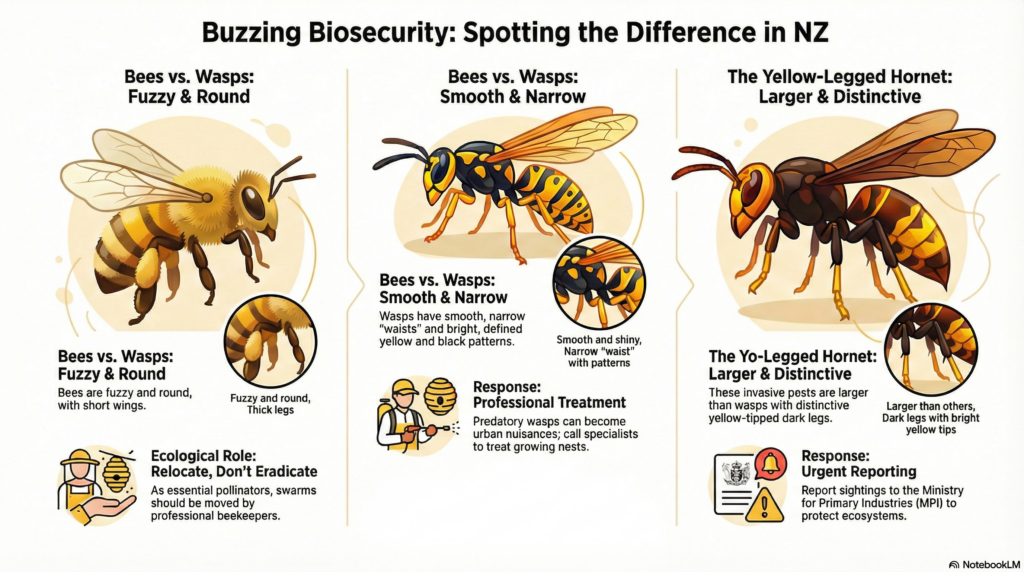
Bees – Nature’s Essential Pollinators
- Fuzzy round bodies designed to carry pollen.
- Short wings, with thick legs
- Feed on nectar and pollen.
- Some live in colonies, others are solitary native bees.
- Vital for pollinating plants and crops.
Because bees are essential pollinators, when bee swarms, colonies or nests are found, our recommended approach is safe relocation by beekeepers. This helps protect bees’ critical ecological role.
Wasps – Predators and Scavengers
- Smooth/shiny narrow bodies with distinct “waists”.
- Bright and defined yellow/black patterns.
- Some are solitary, some social.
- Many are predatory, capturing other insects to feed their larvae.
In urban settings, wasps can quickly become a nuisance. While they are part of the ecosystem and can even help control pest insects, they are not the pollination champions that bees are. They’re also a pest, with colonies that can grow to significantly sizes if not treated.
Yellow-Legged Hornet
- Bigger than wasps and bees, with distinctive dark legs with bright yellow tips.
- Predatory, including preying on bees.
In New Zealand, the yellow-legged hornet is an invasive species that poses a threat to local ecosystems and the health of honeybees and wild bees. Accurate reporting to MPI helps authorities detect and eliminate nests.
Why it matters
Understanding the difference between bees, wasps and hornets is more than just insect trivia – it’s a matter of environmental responsibility, conservation and community biosecurity.
If you’re unsure what insect you’ve seen, take a clear photo and report it to MPI for identification. In areas like Auckland’s North Shore, where invasive hornets have been reported in large numbers, accurate identification and reporting to MPI can make a real difference in protecting New Zealand’s native ecosystems and agricultural pollinators.
If you have a wasp nest to be taken care of, call our wasp specialists today before they take over!

Family Owned and Operated!