
As summer approaches in Auckland, it brings warmer weather and longer days – perfect for social gatherings, barbecues, and enjoying the outdoors. However, summer also brings an increase in pest activity. Auckland’s warm and humid summer climate is ideal for pests to thrive. Common summer pests like ants, cockroaches, flies,…
Written by Anita Collins-Preiss
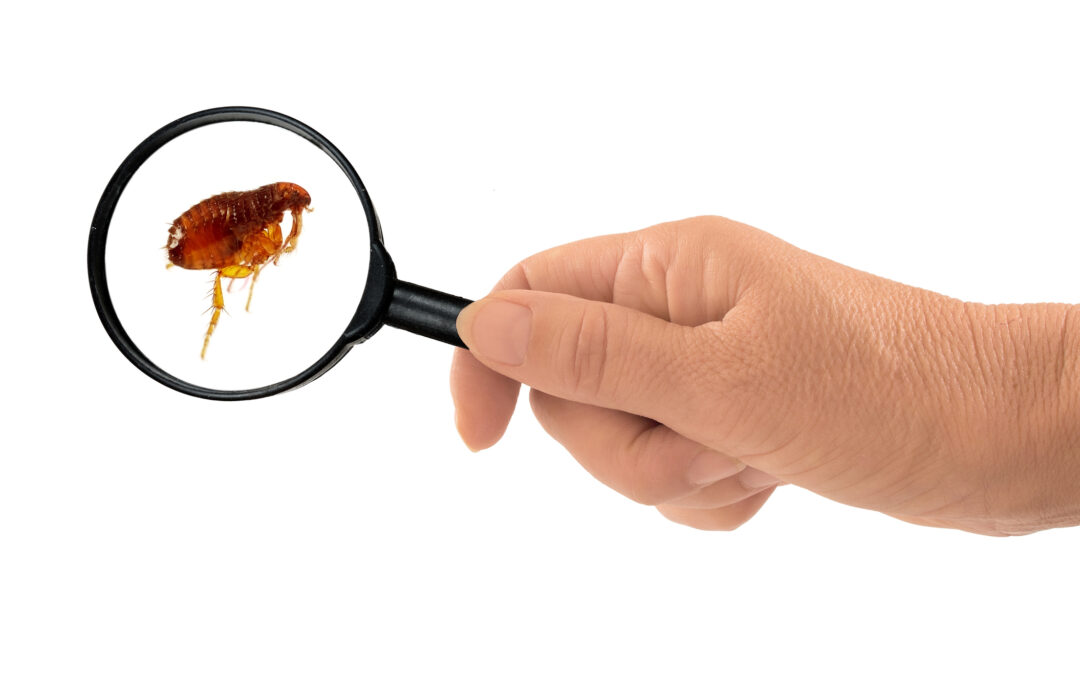
12 Interesting Facts About Fleas
Fleas are more than just a nuisance; they are fascinating creatures with unique characteristics. Understanding these tiny pests can help you manage and prevent infestations in your home or business in Auckland. Here are 10 interesting facts about fleas that might surprise you and some tips on effective flea pest…
Pest Control Tips for Winter
As winter sets in across Auckland, the need for effective pest control becomes paramount. The colder months drive pests indoors in search of warmth and food, making it essential to adopt proactive measures to keep your home or business pest-free. In this blog, we’ll share valuable pest control tips we’ve…
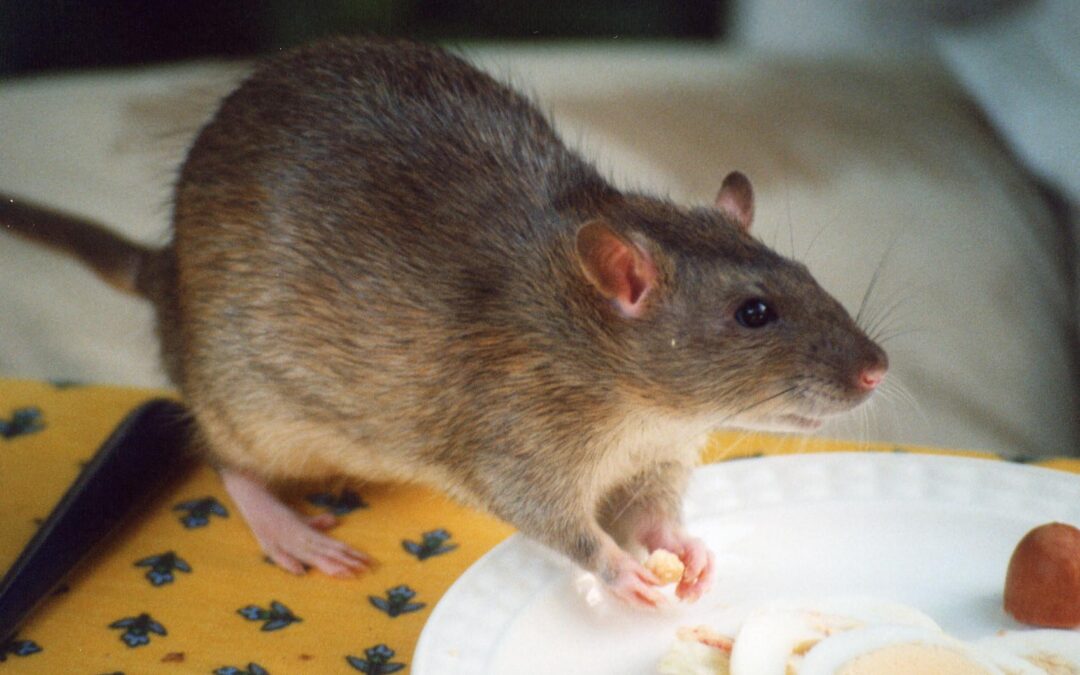
10 Interesting Facts About Rats
As Auckland’s leading rodent exterminators, the A-Jet Pest Control team is more familiar with the humble rat than most. While they may be everyone’s least favourite house guest, rats are actually quite fascinating creatures. In this article, we’ll share 10 of our favourite rodent facts. 1. Rodents Are Highly Intelligent…
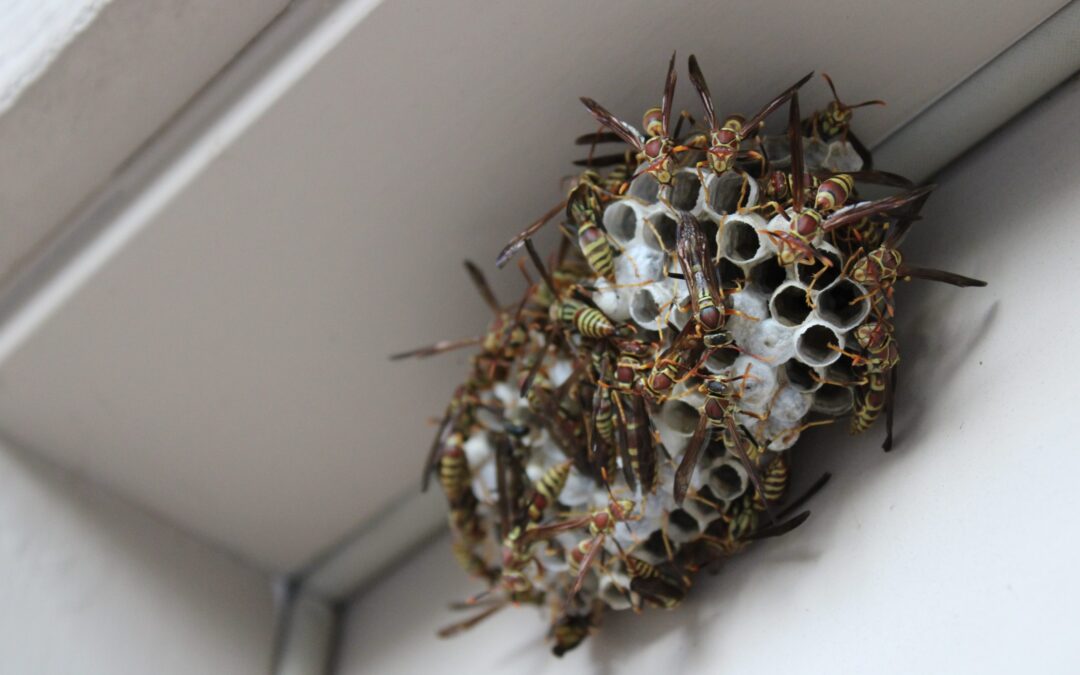
How To Get Rid Of Wasps [2024]
You’re enjoying a sunny afternoon with your family when you hear a menacing buzzing in your ear. Wasps have come to ruin your afternoon. Sound familiar? You’re not alone. Across New Zealand, including Auckland, this is an all too familiar experience. Not only are wasps difficult to get rid of,…

Is Pest Control Safe For Pets? [2024]
Is pest control safe for pets? This is one of the most frequent questions we hear from clients. In many Kiwi homes, your pet is another member of your family, so this worry is incredibly valid. The short answer is yes, in most cases, when you follow the preparation information,…
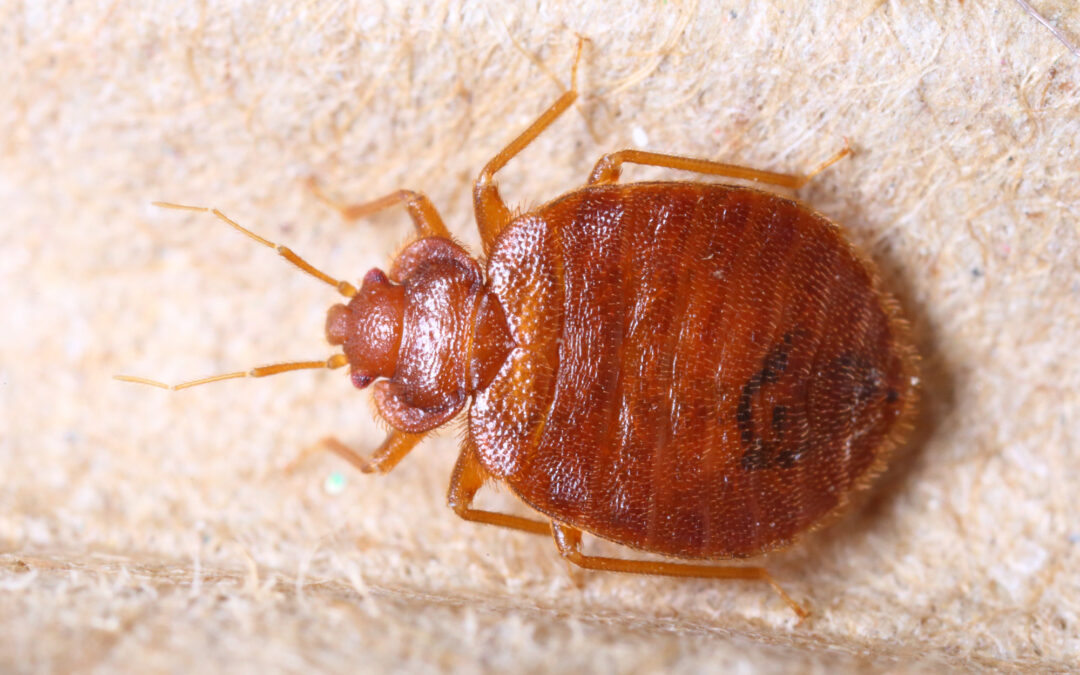
10 Interesting Facts About Bed Bugs
As Auckland’s leading beg bug exterminators, the A-Jet Pest Control team are more familiar with the humble bed bug than most. And while they may be everyone’s least favourite houseguest, they’re also an interesting insect. In today’s article, we’ll share 10 of our favourite bed bug facts that may make…

Christmas Decorating Tips for Pest Prevention
The holiday season is a time of fun and celebration, but it’s also a time when pests can find their way into our homes. To help create a pest-free summer season, it’s important to take preventive measures when decorating your home. As Auckland’s leading pest exterminators, we have put together…
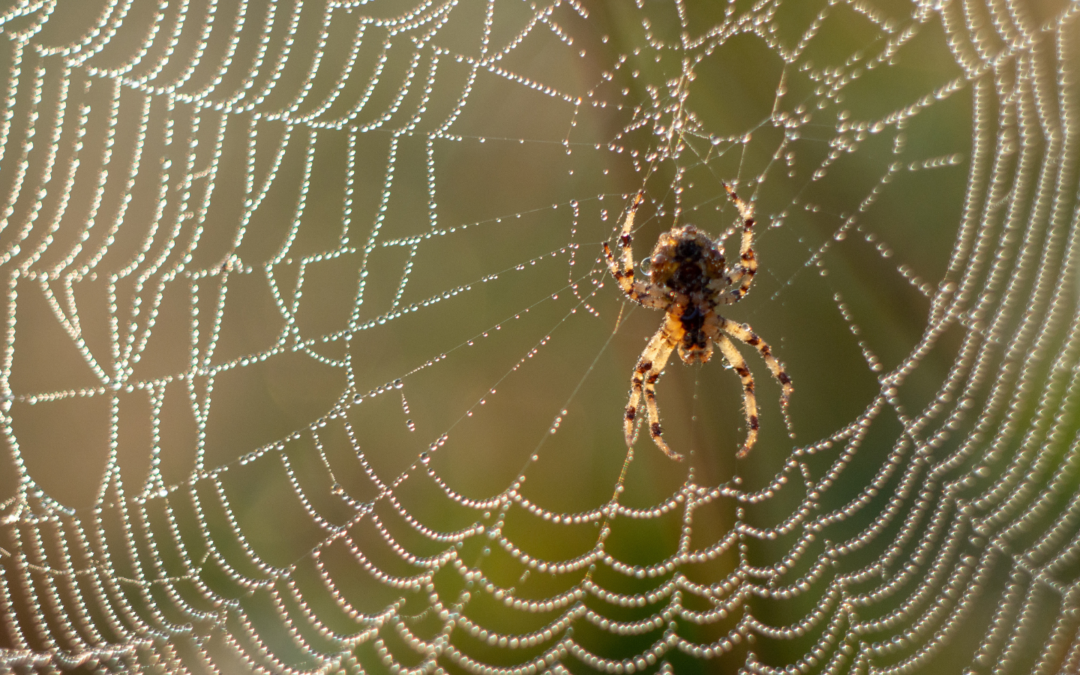
10 Interesting Facts About Spiders
As Auckland’s spider exterminators, the A-Jet Pest Control team are more than familiar with the humble spider. And while they may be everyone’s least favourite houseguest, they are quite interesting and can help control other insects in your home. In this article, we’ll share ten of our favourite spider facts…
How To Get Rid Of Fleas | Auckland
How to get rid of fleas? Fleas are a common problem in homes and offices across Auckland. If left unchecked, they can get out of control very quickly. In this article, we’ll explore how to get rid of fleas and provide tips and tricks for keeping your home flea-free year-round.…
Many Aucklanders and New Zealanders see a buzzing insect and assume it’s just a “bee” or a “wasp,” but bees, wasps and hornets are very different insects with different roles in our environment.
Knowing the difference is key to protecting pollinators and supporting biosecurity. Recently, Stuff noted that nearly 10,000 sightings of yellow-legged hornets were reported on Auckland’s North Shore, with the Ministry of Primary Industries (MPI) urgently collecting this information from the community as part of efforts to detect and eliminate invasive hornets.
Being able to spot the difference between bees, wasps and hornets will help you to understand when a beekeeper should be called to relocate bees, get wasp specialists in to treat growing nests, and know when to report a potential invasive species sighting to MPI.
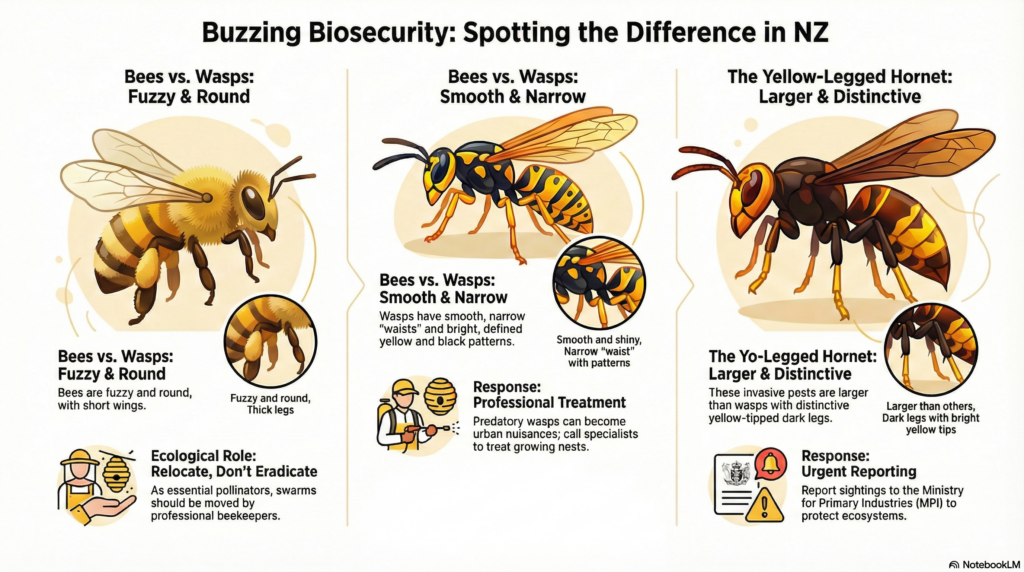
Bees – Nature’s Essential Pollinators
- Fuzzy round bodies designed to carry pollen.
- Short wings, with thick legs
- Feed on nectar and pollen.
- Some live in colonies, others are solitary native bees.
- Vital for pollinating plants and crops.
Because bees are essential pollinators, when bee swarms, colonies or nests are found, our recommended approach is safe relocation by beekeepers. This helps protect bees’ critical ecological role.
Wasps – Predators and Scavengers
- Smooth/shiny narrow bodies with distinct “waists”.
- Bright and defined yellow/black patterns.
- Some are solitary, some social.
- Many are predatory, capturing other insects to feed their larvae.
In urban settings, wasps can quickly become a nuisance. While they are part of the ecosystem and can even help control pest insects, they are not the pollination champions that bees are. They’re also a pest, with colonies that can grow to significantly sizes if not treated.
Yellow-Legged Hornet
- Bigger than wasps and bees, with distinctive dark legs with bright yellow tips.
- Predatory, including preying on bees.
In New Zealand, the yellow-legged hornet is an invasive species that poses a threat to local ecosystems and the health of honeybees and wild bees. Accurate reporting to MPI helps authorities detect and eliminate nests.
Why it matters
Understanding the difference between bees, wasps and hornets is more than just insect trivia – it’s a matter of environmental responsibility, conservation and community biosecurity.
If you’re unsure what insect you’ve seen, take a clear photo and report it to MPI for identification. In areas like Auckland’s North Shore, where invasive hornets have been reported in large numbers, accurate identification and reporting to MPI can make a real difference in protecting New Zealand’s native ecosystems and agricultural pollinators.
If you have a wasp nest to be taken care of, call our wasp specialists today before they take over!
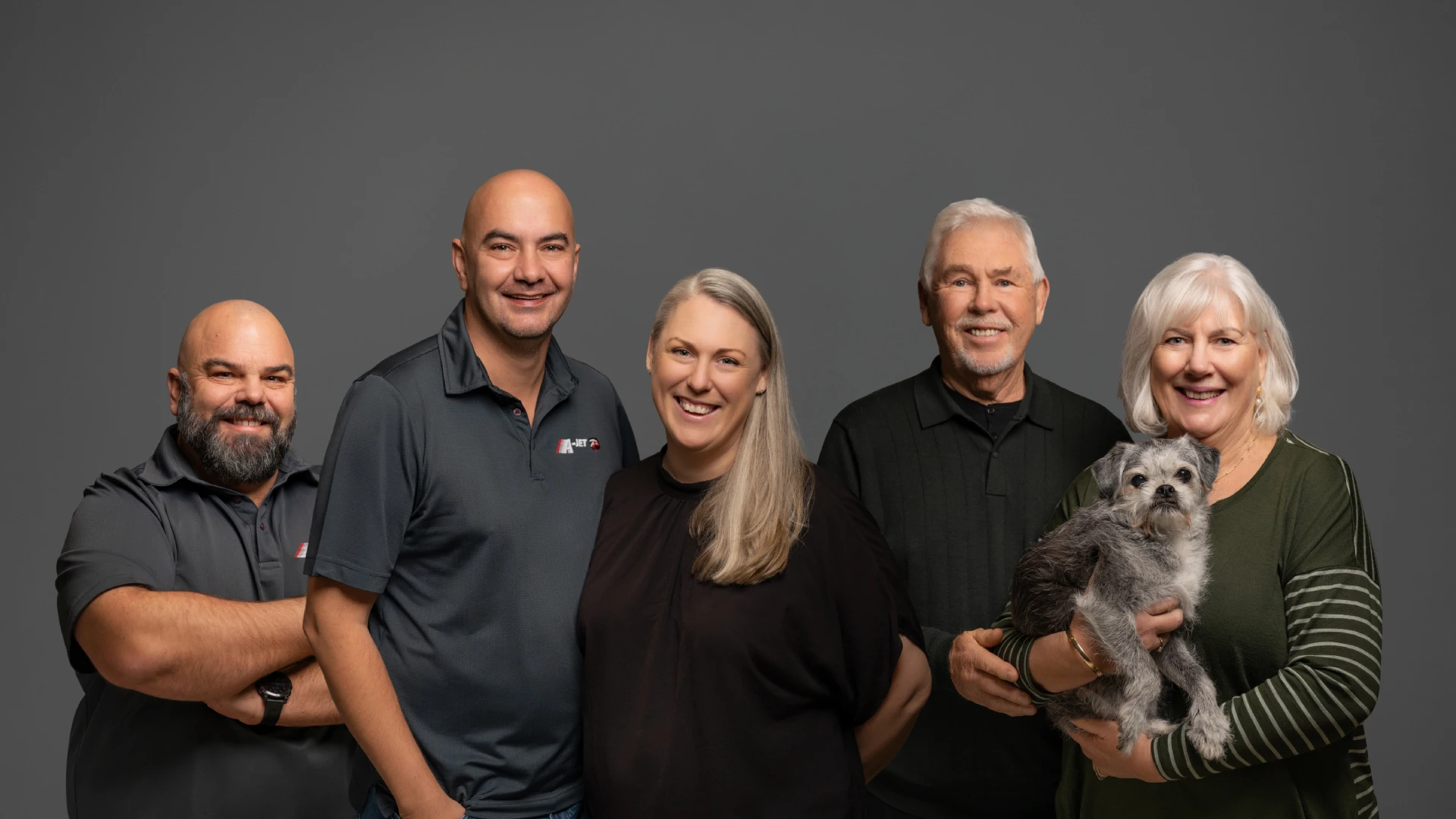
Family Owned and Operated!