
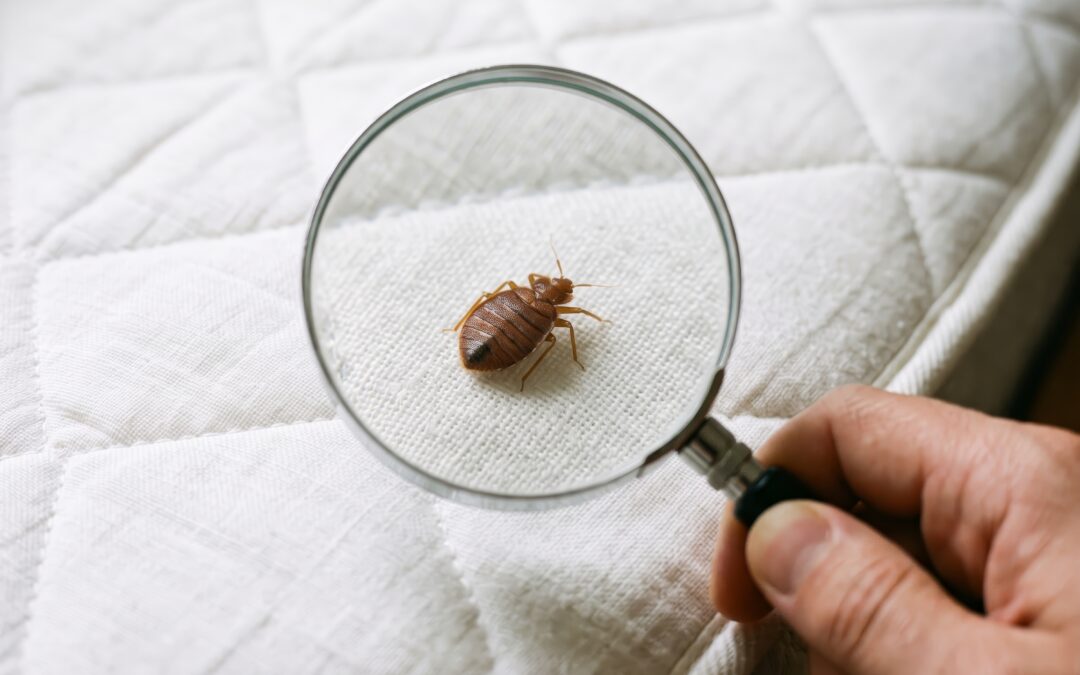
Not sure if you have bed bugs? Learn the clear warning signs, why they spread so fast, and what to do next to clear them with professional treatment in Auckland.
Written by Anita Collins-Preiss

How to Tell if You Need Professional Ant Control
A few ants or a real infestation? Learn the signs you need professional ant control in Auckland, why sprays fail, and how treating the nest stops ants for good.

How Often Should You Clean Carpets in Auckland Homes?
How often should you clean your carpets? Learn the right timing for Auckland homes, when to clean more often, and why professional cleaning beats DIY.
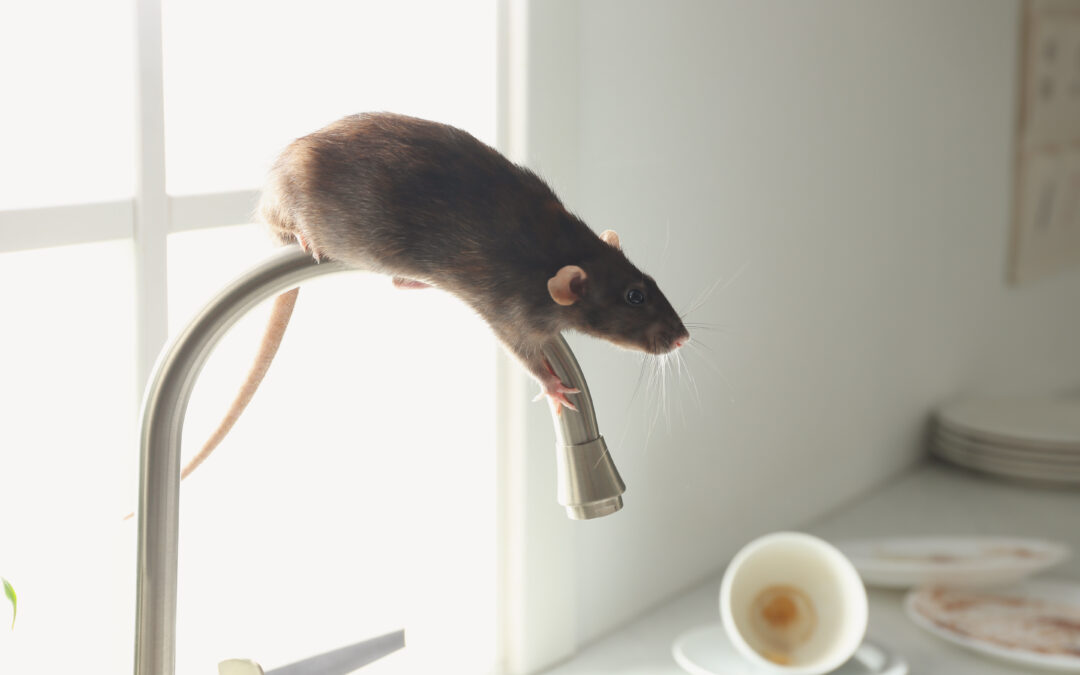
Why Mice and Rats Enter Auckland Homes in Winter
Rats and mice head indoors as Auckland cools down. Learn why they enter homes in winter, the risks they bring, and how rodent control keeps them out.
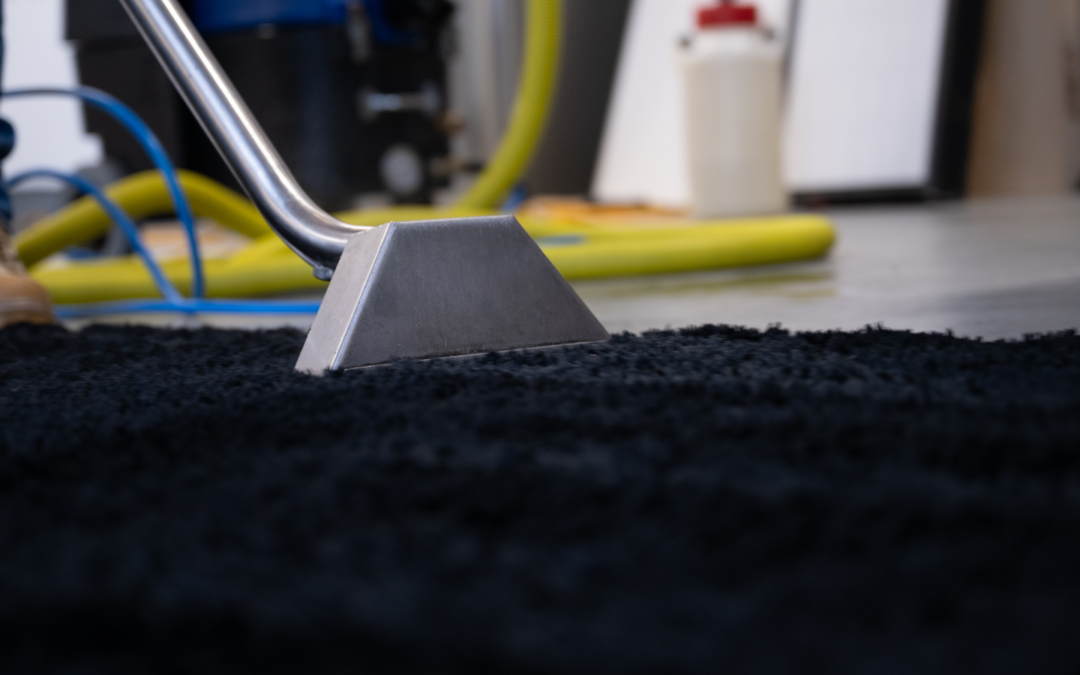
How Much Does Carpet Cleaning Cost in Auckland?
Wondering what carpet cleaning costs in Auckland? Learn what affects the price, why the cheapest quote is not always best, and how to get the best value.

Carpet Stain Removal: What Works for Wine, Coffee, and Pet Stains
Wine, coffee, or pet stains on your carpet? Learn what actually works for carpet stain removal at home, the mistakes to avoid, and when to call a professional.
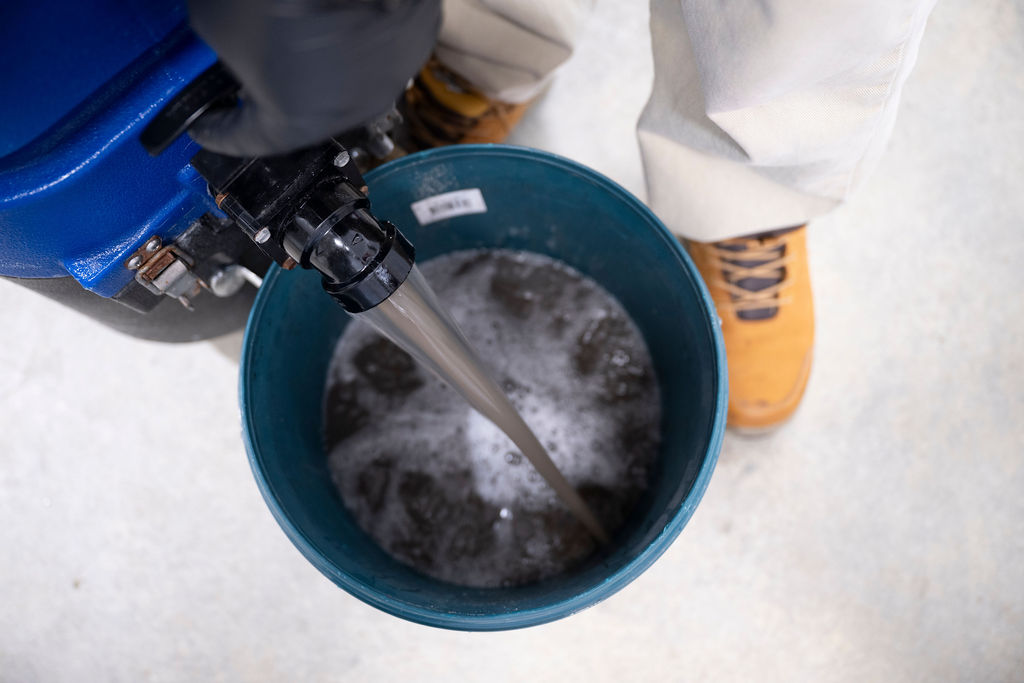
Why Professional Carpet Cleaning Helps Improve Indoor Air Quality
Your carpet traps dust, allergens, and dust mites that affect the air you breathe. Learn how professional carpet cleaning in Auckland helps improve indoor air quality.
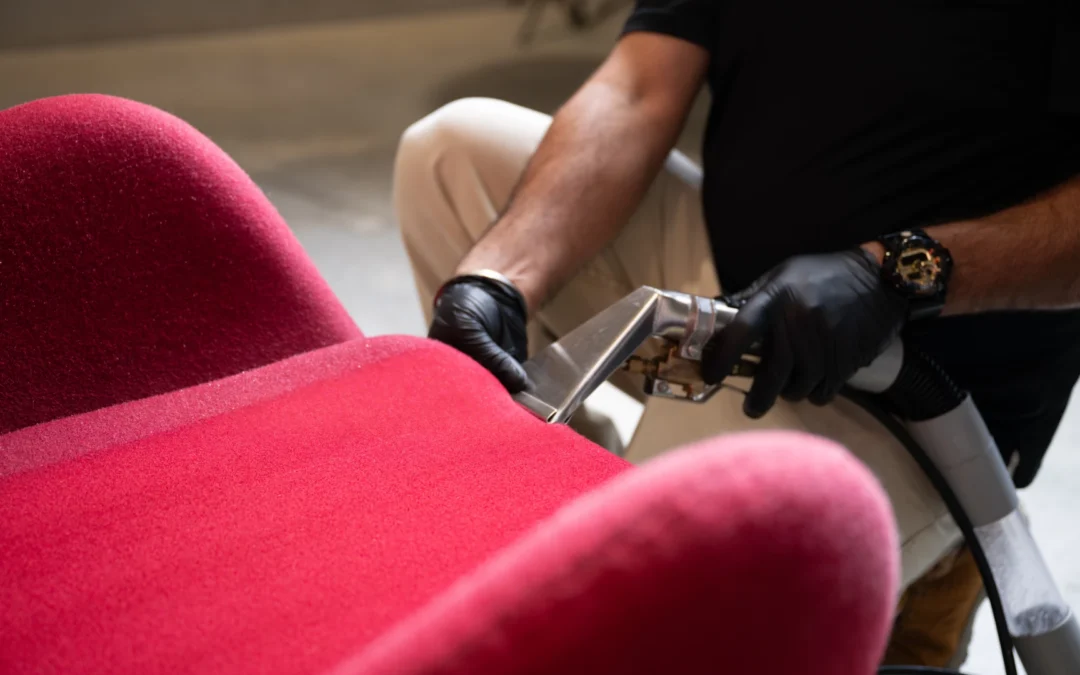
Upholstery Cleaning Tips for Sofas, Chairs, and Fabric Furniture
Keep your sofa and chairs fresh with simple upholstery cleaning tips. Learn how to spot clean fabric, protect delicate materials, and when to call a professional.
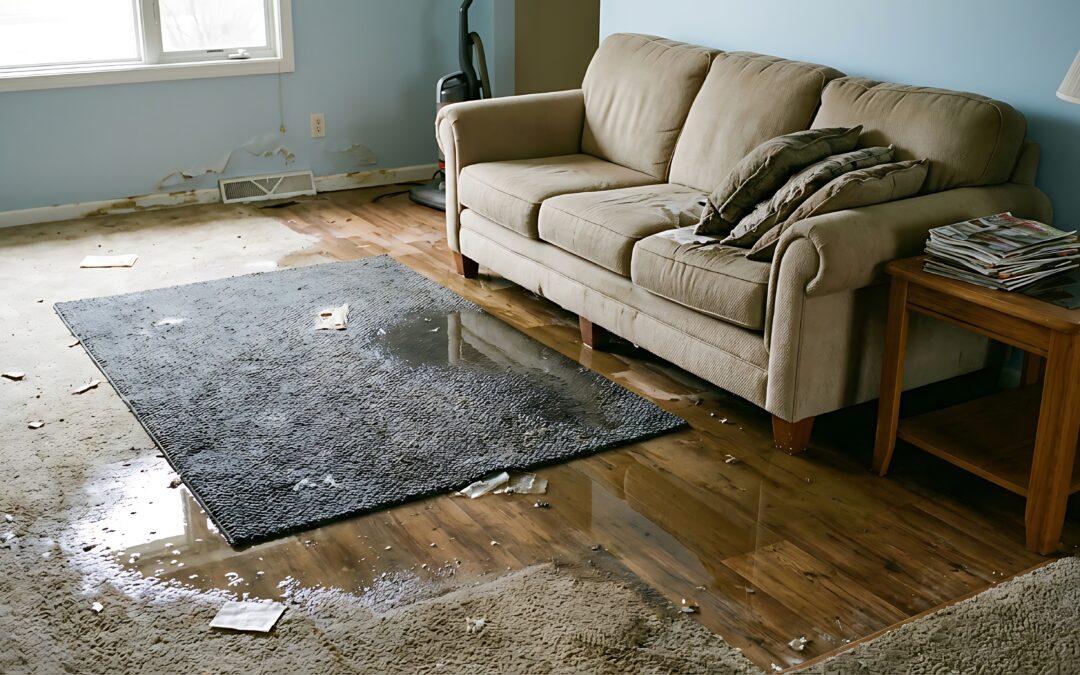
What to Do After Flood Damage to Carpets and Soft Furnishings
Flooded carpets and furniture? Learn the steps to take after flood damage, how to stay safe, and why fast professional flood recovery helps save your home.
What to Expect from an Emergency Pest Control or Flood Recovery Callout
Facing a pest outbreak or flood? Learn what to expect from an emergency pest control or flood recovery call-out in Auckland and how to be ready when it counts.
TL;DR: Ongoing pest management means regular inspections, treatment where it is needed and written records, all year round. For Auckland businesses, it costs less and carries less risk than waiting for an infestation and calling someone in after the damage is done.
For an Auckland business, one pest sighting can cost far more than the pest itself. A cockroach in a cafe, a mouse in a warehouse or flies in a commercial kitchen can undo years of good reviews in an afternoon and put your food safety and health and safety obligations at risk.
That is why many businesses move from one-off call-outs to a planned programme. In this post, you’ll learn why one-off treatments fall short for businesses, what ongoing pest management includes, which sites need it most, and what to expect from a commercial plan.
Why One-Off Treatments Fall Short
A single treatment clears the pests you have today. It does nothing to stop the next ones arriving. Businesses face steady pressure from deliveries, customers coming and going, doors propped open and waste building up out the back. Every one of those is a way in.
Pests also tend to be noticed late in a busy workplace. Staff are focused on their jobs, early signs such as droppings behind equipment are easy to miss, and by the time someone sees a pest out in the open, the problem is usually well established. A reactive approach means you are always one step behind.
Ongoing pest management turns that around. Regular visits catch activity early, while it is still small and cheaper to deal with, and protection stays in place between visits.
The Real Cost of a Pest Problem
Treatment is usually the smallest cost of an outbreak. The bigger costs come from what the pests cause:
- Lost customers and damage to your reputation, especially once a sighting ends up in an online review
- Failed food safety checks or health and safety audits
- Stock that is contaminated, chewed or has to be thrown out
- Damage to wiring, packaging and fittings from rodents
- Time lost by managers and staff dealing with the outbreak
Against those risks, a regular programme is a predictable cost you can plan for.
What Ongoing Pest Management Includes
A good programme is built around your site, your industry and your level of risk. Ajet Services’ commercial pest control uses an Integrated Pest Management (IPM) approach. In plain terms, that means regular inspections, monitoring, targeted treatment where it is needed, and advice on the things that draw pests in, such as how waste is stored, gaps in the building, or where stock is kept.
Records matter just as much as treatment. Ajet Services’ PMANZ-accredited technicians provide detailed reporting and documentation designed to meet MPI and council requirements, so you have what you need when an auditor or inspector asks. [CONFIRM: what a typical service report includes, for example a site map, bait station log, findings and actions taken]
Programmes cover the pests businesses see most, including rodents, cockroaches, flies, ants, wasps, bed bugs and fleas. How often a technician visits depends on your site. [CONFIRM: typical visit frequency Ajet recommends, for example monthly for food businesses and less often for low-risk offices] Ajet Services also provides emergency pest control for commercial properties when something urgent comes up between scheduled visits. A little preparation helps each treatment work well, and our pest treatment preparation guide explains what to do before and after a visit.
Which Businesses Benefit Most
Any business can benefit, but the risk is highest wherever food, waste and people come together. That includes cafes, restaurants and commercial kitchens, food manufacturing and storage, aged care facilities, retail stores, warehouses, and property managers looking after buildings with several tenants. For food businesses in particular, pest control is part of meeting food safety requirements, not an optional extra.
Offices and lower-risk sites still benefit from regular checks, just less often. A shared kitchen, a staff room or a bin area can be enough to attract cockroaches or rodents. Our post on cockroach control in Auckland explains why cockroaches are so hard to clear once they settle into a kitchen.
Ajet Services has protected Auckland businesses for 35 years, across South Auckland, East Auckland, Auckland Central, the North Shore and West Auckland. Because the same team also handles commercial carpet cleaning, one provider can look after pest control and cleaning for your premises.
Frequently Asked Questions
How often should a business have pest control?
It depends on your site and your risk. Food and hospitality businesses usually need more frequent visits than offices. Your technician will recommend a schedule after the first inspection.
Is commercial pest control worth the cost?
A planned programme usually costs far less than a shutdown, a failed inspection or the customers you lose after an outbreak.
Do you provide records for compliance?
Yes. Ongoing programmes include detailed reporting and documentation to help you meet MPI and council requirements.
Will treatment disrupt my business?
Visits are arranged with you in advance so they fit around how your business runs. [CONFIRM: whether visits can be booked before or after opening hours]
Key Takeaways
- One-off treatments clear today’s pests but do nothing to stop the next wave.
- Regular inspections catch problems early, when they are smaller and cheaper to fix.
- Good records help you meet MPI and council requirements at audit time.
- Food, hospitality, aged care and retail sites carry the highest risk and benefit most.
Want to protect your business all year? Call Ajet Services on 0800 862 538, or request a free commercial pest control quote online.
Family Owned and Operated!