
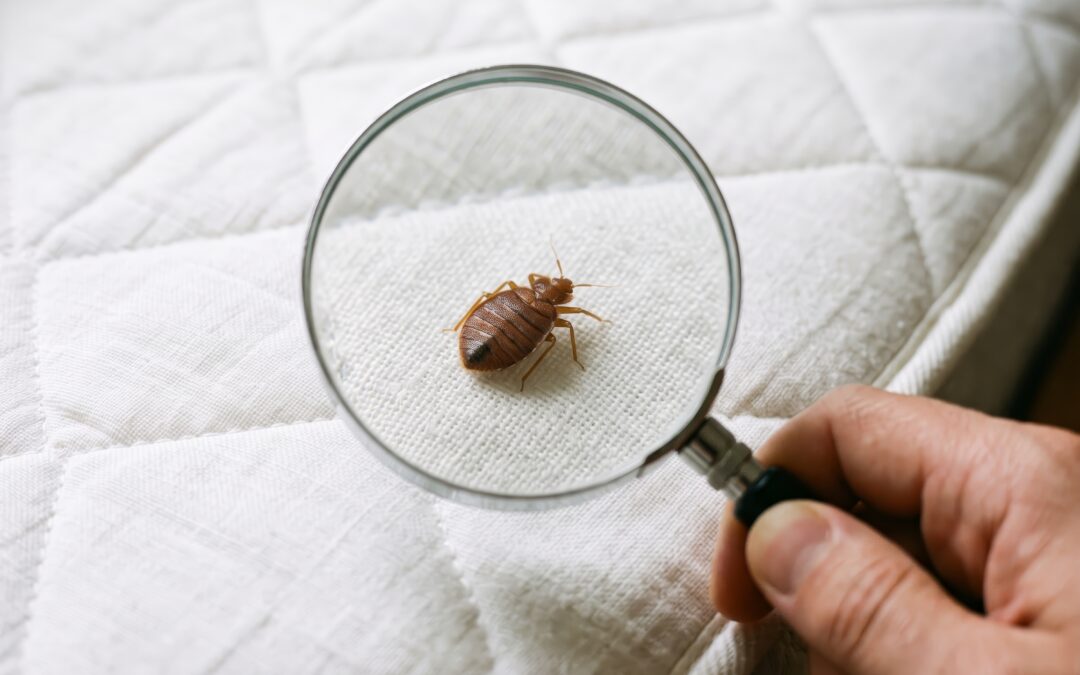
Not sure if you have bed bugs? Learn the clear warning signs, why they spread so fast, and what to do next to clear them with professional treatment in Auckland.
Written by Anita Collins-Preiss
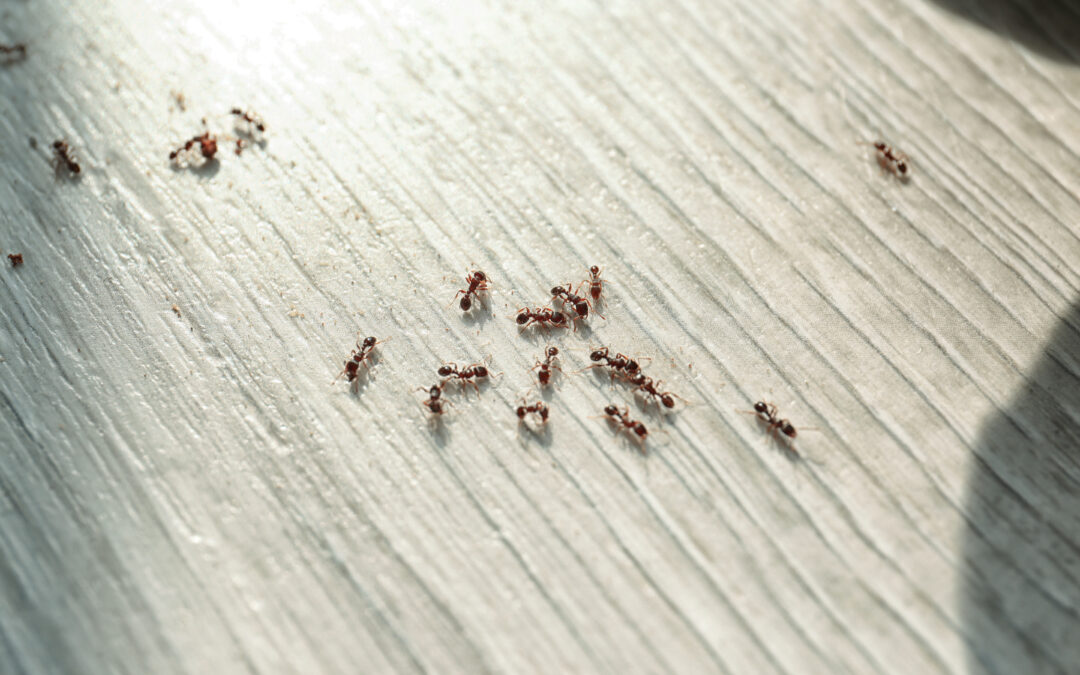
How to Tell if You Need Professional Ant Control
A few ants or a real infestation? Learn the signs you need professional ant control in Auckland, why sprays fail, and how treating the nest stops ants for good.

How Often Should You Clean Carpets in Auckland Homes?
How often should you clean your carpets? Learn the right timing for Auckland homes, when to clean more often, and why professional cleaning beats DIY.
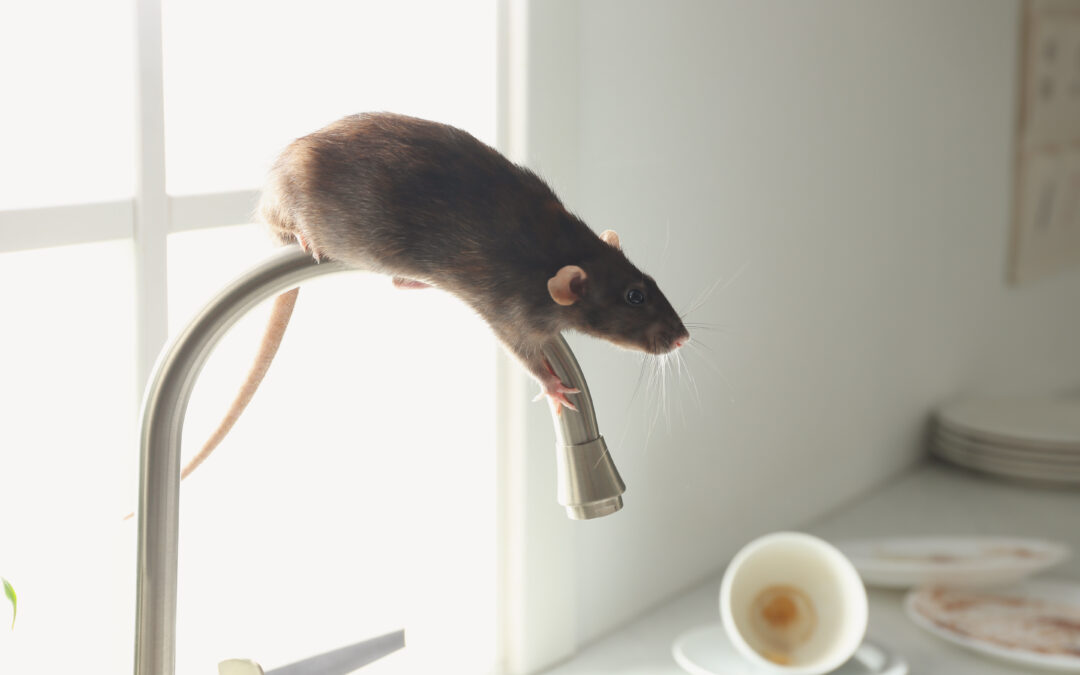
Why Mice and Rats Enter Auckland Homes in Winter
Rats and mice head indoors as Auckland cools down. Learn why they enter homes in winter, the risks they bring, and how rodent control keeps them out.
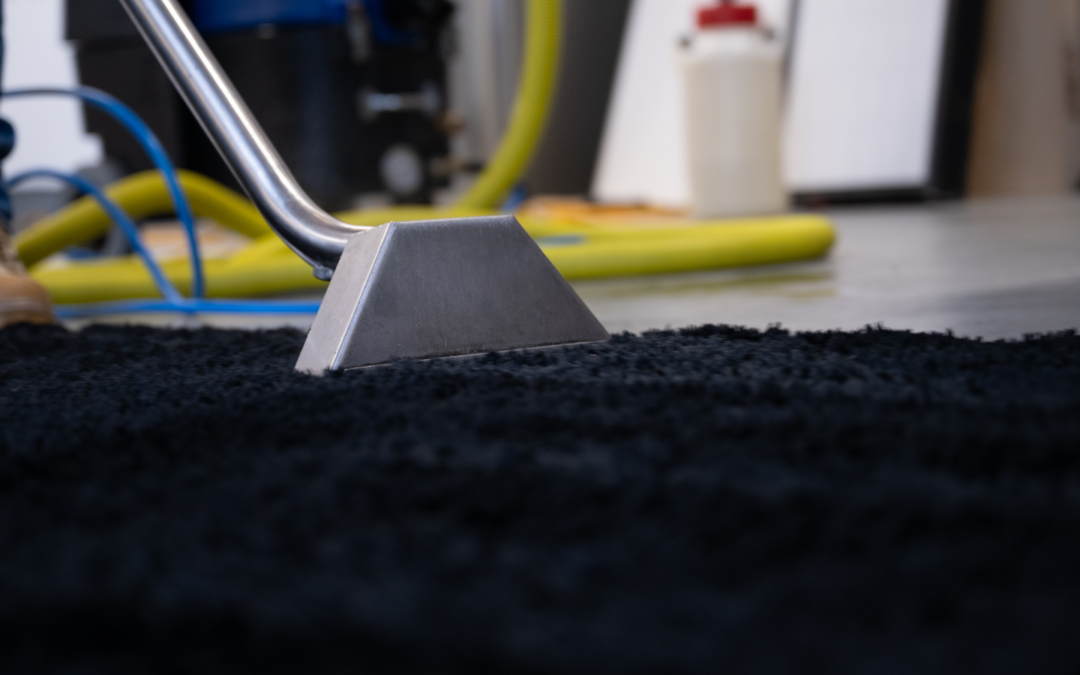
How Much Does Carpet Cleaning Cost in Auckland?
Wondering what carpet cleaning costs in Auckland? Learn what affects the price, why the cheapest quote is not always best, and how to get the best value.
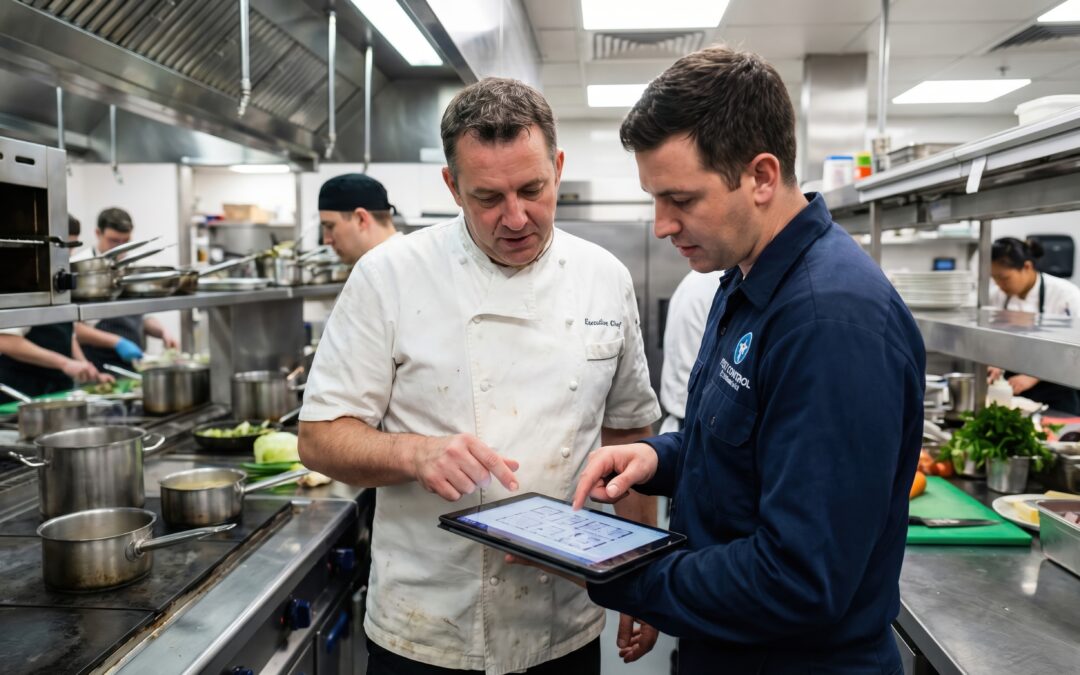
What Auckland Businesses Should Know About Ongoing Pest Management
Ongoing pest management protects your Auckland business from costly outbreaks. Learn how commercial pest control works and why it beats one-off call-outs.
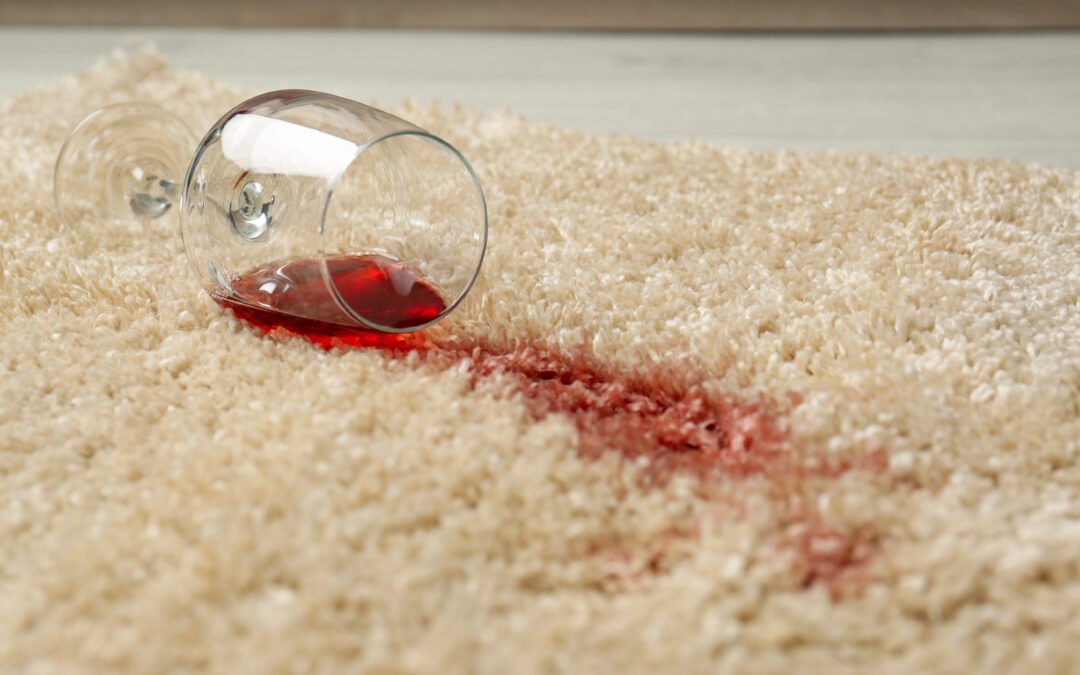
Carpet Stain Removal: What Works for Wine, Coffee, and Pet Stains
Wine, coffee, or pet stains on your carpet? Learn what actually works for carpet stain removal at home, the mistakes to avoid, and when to call a professional.
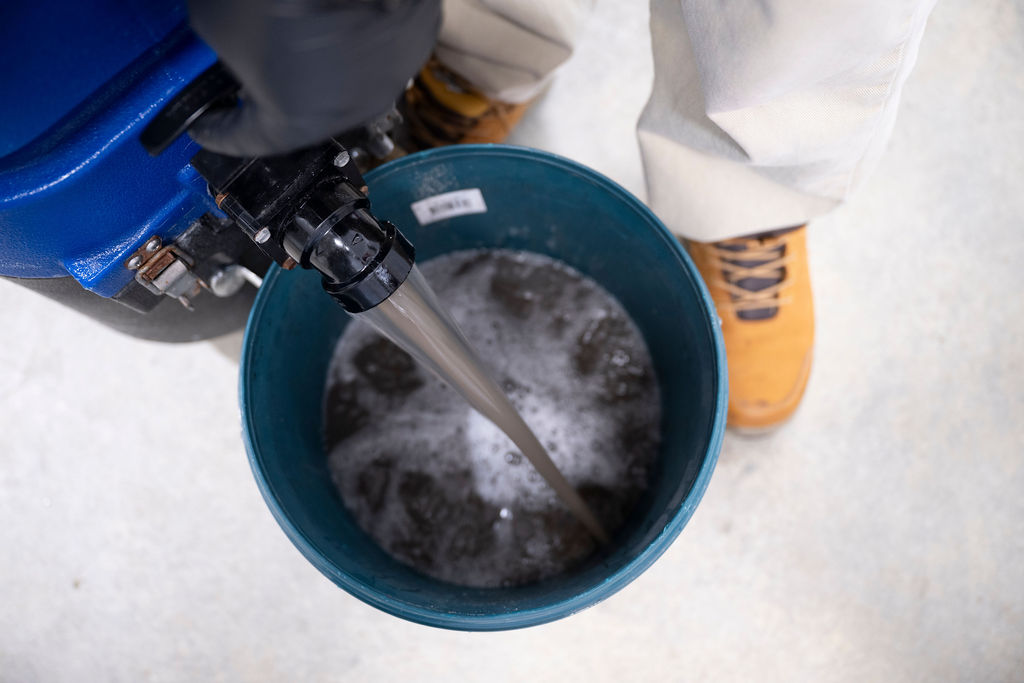
Why Professional Carpet Cleaning Helps Improve Indoor Air Quality
Your carpet traps dust, allergens, and dust mites that affect the air you breathe. Learn how professional carpet cleaning in Auckland helps improve indoor air quality.
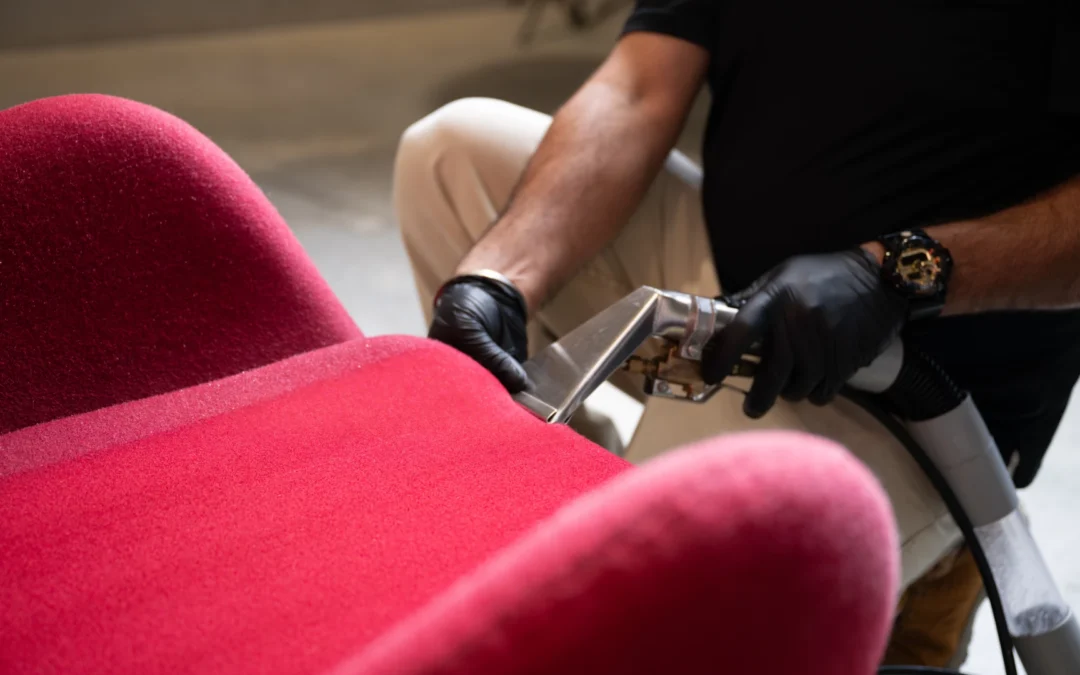
Upholstery Cleaning Tips for Sofas, Chairs, and Fabric Furniture
Keep your sofa and chairs fresh with simple upholstery cleaning tips. Learn how to spot clean fabric, protect delicate materials, and when to call a professional.
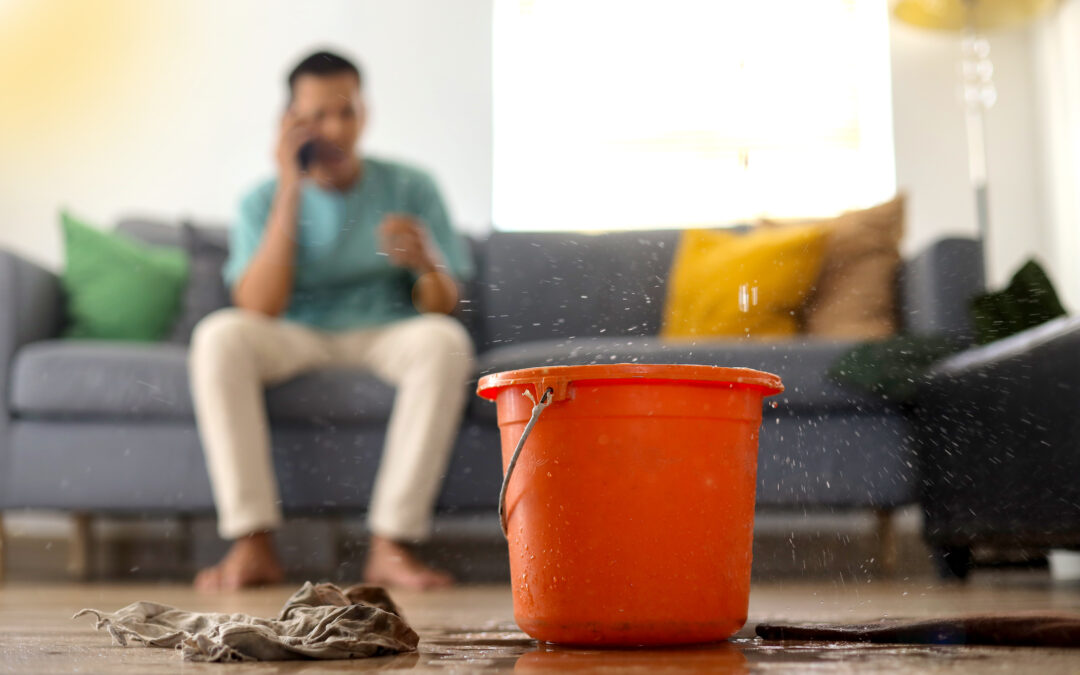
What to Expect from an Emergency Pest Control or Flood Recovery Callout
Facing a pest outbreak or flood? Learn what to expect from an emergency pest control or flood recovery call-out in Auckland and how to be ready when it counts.
TL;DR: After a flood, make the area safe, get the water out and start drying as fast as you can. Wet carpet, underlay and furniture can start growing mould within 24 to 48 hours, so calling a professional flood recovery team early gives you the best chance of saving them.
A burst pipe, an overflowing washing machine or a heavy Auckland downpour can soak a room in minutes. The damage does not stop when the water does. Wet carpet, underlay and soft furnishings can quickly turn into mould, lingering smells and lasting damage to floors and walls.
What you do in the first few hours makes a real difference to what you can save. In this post, you’ll learn how to stay safe, the steps that limit the damage, what to do for your insurance claim, and why professional drying matters even when the carpet feels dry.
Stay Safe First
Before you deal with the mess, make sure it is safe to be in the room. Floodwater can hide real dangers.
- Turn off the power at the mains if water is near sockets, appliances or wiring
- Avoid touching floodwater, which can carry bacteria and waste
- Wear gloves and gumboots when moving through affected areas
- Watch for slips on wet floors and sagging ceilings under a leak
Where the water came from matters. Water from outside, a drain or a sewer can carry sewage, chemicals and bacteria, so treat it as contaminated from the start. Clean water from a burst supply pipe is less risky at first, but if it sits for a day or two it can start to grow bacteria too. If in doubt, treat it as contaminated.
Act Fast to Limit the Damage
Once it is safe, quick action limits the damage and gives your carpets and furniture a better chance.
- Remove as much water as you can with a wet vacuum, mop or buckets
- Lift furniture off wet carpet, or put foil or plastic under the legs to stop stains and rust marks
- Take wet rugs, cushions and curtains out of the room to dry separately
- Open windows and run fans to get air moving, if the power is safe to use
- Move dry items well away from the wet area
Even once carpet feels dry to the touch, water is often still trapped in the underlay, the subfloor and the bottom of the walls. This hidden moisture is where mould starts, often days after the flood itself.
Talk to Your Insurer Early
Many flood jobs end up as an insurance claim. Before you throw anything out, take photos and videos of the damage, the water line on walls and each damaged item, and keep a list as you go. Call your insurer early, as they may want a report from the company doing the drying.
Ajet Services works directly with all major insurers and loss adjusters, and can help with the documentation, power usage estimates for drying equipment and progress reports that a claim usually needs.
Why Professional Flood Recovery Matters
Towels, fans and open windows deal with surface water, but they rarely reach the water hidden in carpet underlay, subfloors and wall linings. That is where mould and lasting smells start.
Ajet Services’ flood recovery service uses truck-mounted extraction to remove water fast, then commercial-grade equipment to dry carpets, floors and the building structure. Thermal imaging cameras and moisture meters find damp you cannot see, and drying is monitored until the job is done. If mould has already started, mould treatment deals with it at the source and helps stop it coming back.
Not every carpet can be saved. Carpet soaked by sewage or dirty floodwater, or where mould has got into the backing, often needs replacing rather than cleaning, and a technician will tell you honestly which is which. Where water was contaminated, decontamination cleaning makes the area safe again. Once everything is dry, a professional carpet clean helps lift any residue and smell that is left.
Ajet Services provides a 24/7 emergency flood response across Auckland, including weekends and public holidays, with 35 years of experience helping homes and businesses from the North Shore and West Auckland to East Auckland, Auckland Central and South Auckland.
Frequently Asked Questions
Can flooded carpet be saved?
Often, if you act fast and the water was clean. Quick water removal and professional drying give carpet the best chance, but carpet soaked by sewage or dirty floodwater usually needs replacing.
How quickly does mould grow after a flood?
Mould can start growing within 24 to 48 hours of water damage, which is why fast drying matters so much.
Will insurance cover flood damage?
That depends on your policy, so check with your insurer. Ajet Services works with all major insurers and loss adjusters and can supply the reports your claim may need.
Key Takeaways
- Turn off the power if water is near sockets or wiring, and treat outside or sewer water as contaminated.
- Remove as much water as you can and start drying straight away, as mould can start within 24 to 48 hours.
- Photograph the damage before throwing anything out, and contact your insurer early.
- Carpet that feels dry can still hide water in the underlay and subfloor.
- Professional extraction and drying reach moisture that fans and towels cannot.
Dealing with flood damage now? Call Ajet Services on 0800 862 538 for a 24/7 flood response, or request a quote online.
Family Owned and Operated!