
How often should you professionally clean your carpets? The answer depends on your household, property type, and how you use your space. Here is what Auckland homeowners, landlords, and business owners need to know.
Written by Anita Collins-Preiss
Cockroach Control in Auckland: What Actually Works
Cockroaches surviving your DIY sprays? Discover why they're so hard to remove, the health risks involved, and how professional treatment works
Spider Season in Auckland: When to Call a Professional
Not sure if your spider problem needs a professional? Discover which Auckland spiders matter, why they keep appearing, and how treatment works
Ant Pest Control in Auckland: Why Ants Keep Coming Back
Ants returning in your Auckland home usually means the nest survived. Discover why sprays fail, how colonies rebuild, and when to call a professional
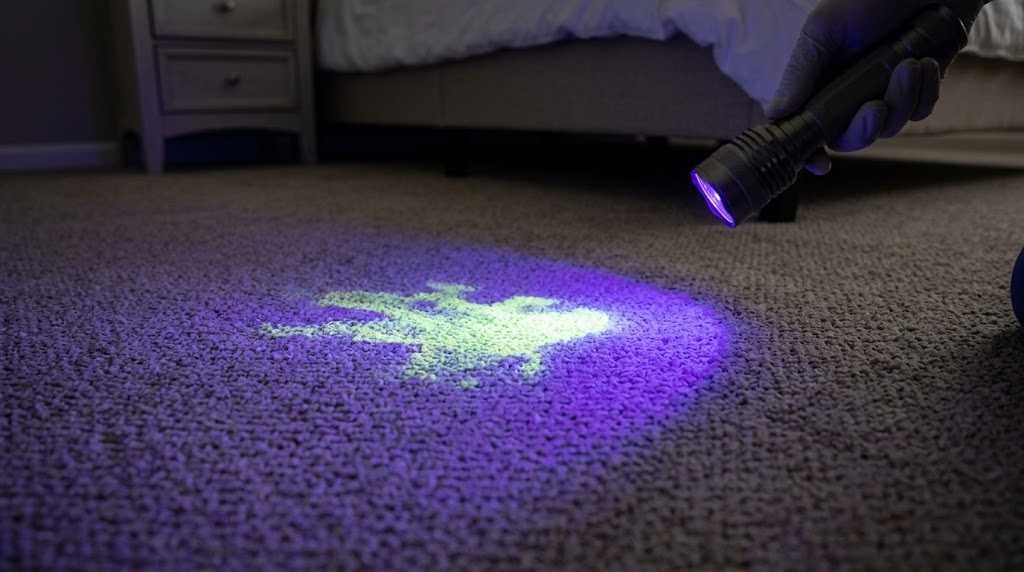
How UV Light Inspection Revealed Hidden Pet Urine Damage and Saved Thousands in Unnecessary Repairs
A professional UV light inspection uncovered hidden pet urine contamination across multiple rooms. The homeowner avoided costly property-wide treatment by targeting remediation to affected areas only, saving thousands in unnecessary costs.
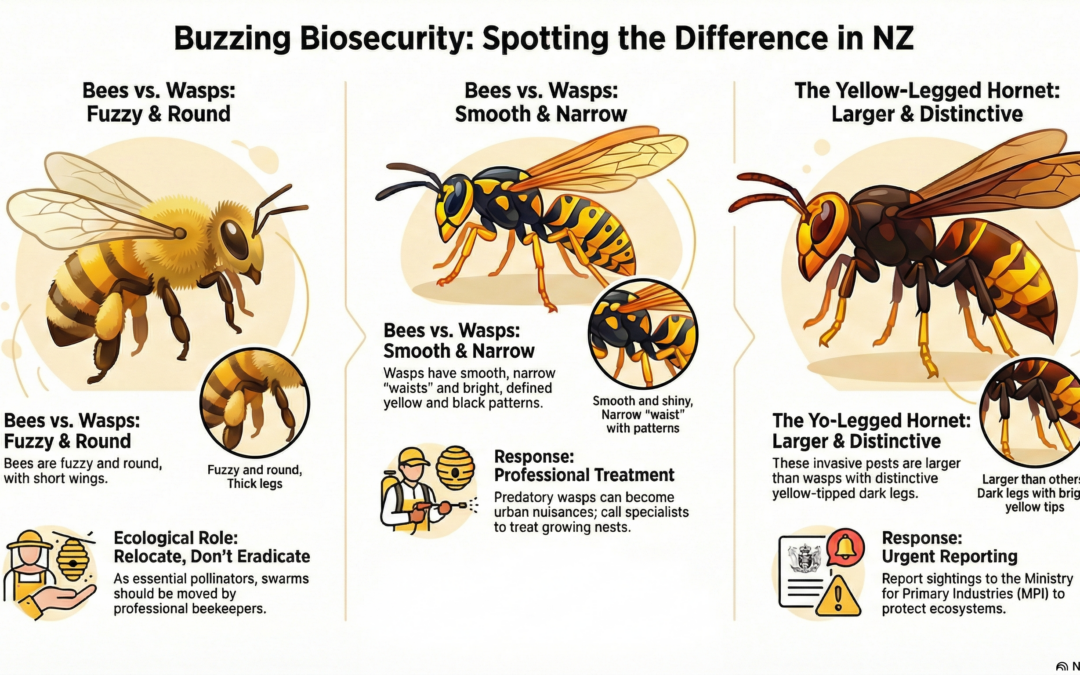
Bees vs Wasps vs Hornets – Know the Difference
Many Aucklanders and New Zealanders see a buzzing insect and assume it’s just a “bee” or a “wasp,” but bees, wasps and hornets are very different insects with different roles in our environment. Knowing the…
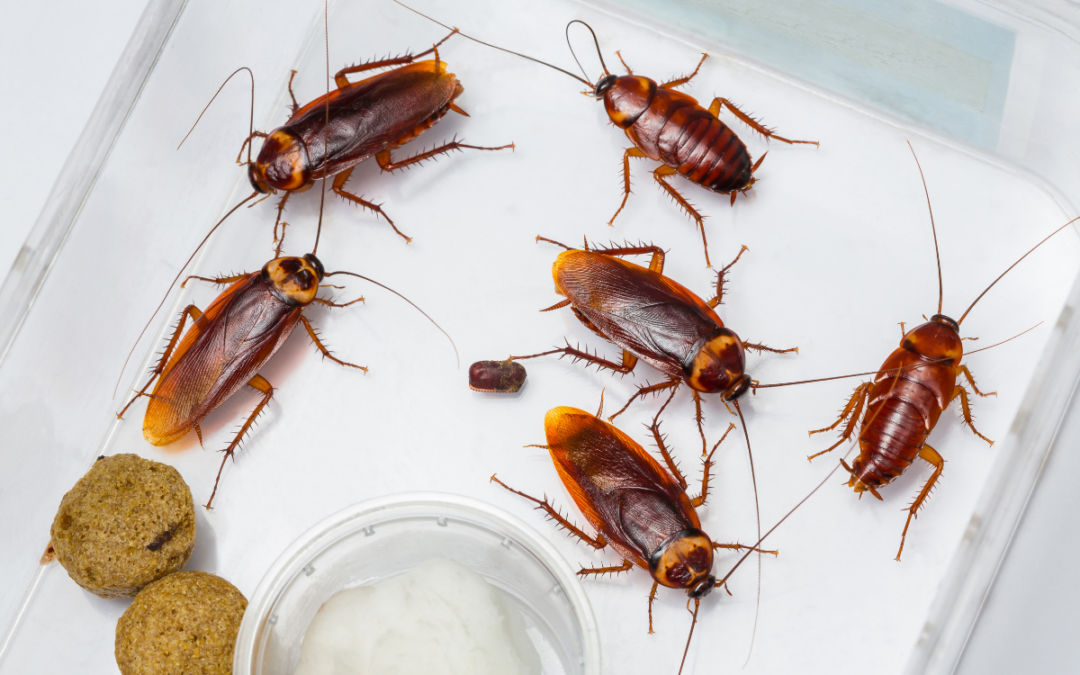
How to Prevent Common Summer Pests: Auckland
As summer approaches in Auckland, it brings warmer weather and longer days – perfect for social gatherings, barbecues, and enjoying the outdoors. However, summer also brings an increase in pest activity. Auckland’s warm and humid…
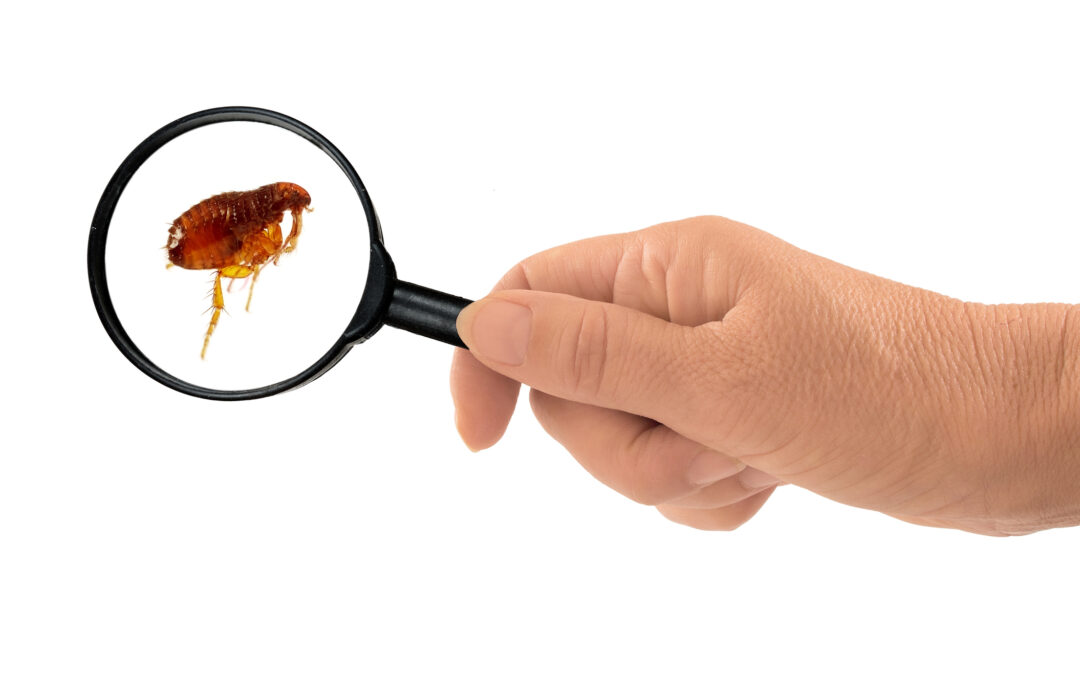
12 Interesting Facts About Fleas
Fleas are more than just a nuisance; they are fascinating creatures with unique characteristics. Understanding these tiny pests can help you manage and prevent infestations in your home or business in Auckland. Here are 10…

Pest Control Tips for Winter
As winter sets in across Auckland, the need for effective pest control becomes paramount. The colder months drive pests indoors in search of warmth and food, making it essential to adopt proactive measures to keep…

10 Interesting Facts About Rats
As Auckland’s leading rodent exterminators, the Ajet Services Pest Control team is more familiar with the humble rat than most. While they may be everyone’s least favourite house guest, rats are actually quite fascinating creatures.…
If your carpets looked great right after a clean but were back to looking dull, marked, or dirty within a week or two, you are not imagining it, and it is not simply the way carpets are. There is a specific reason this happens, and it almost always comes down to the cleaning method used or the equipment behind it. This post explains what is actually happening beneath the surface, why budget cleaning makes the problem worse, and what a proper professional clean does differently, so you never have to deal with a wasted clean again.
What Is Actually Happening: The Science of Wicking
The most common cause of carpets resoiling quickly after a clean is a process called wicking. Carpet is not just the fibres you see on the surface; it sits on a backing layer, and often on an underlay beneath that. Over years of use, soil, grease, pet residue, and general household grime work their way down through the pile and settle into the lower layers of the carpet. When a cleaner applies water or cleaning solution, that moisture penetrates downward and contacts all of that accumulated grime at the base. As the carpet dries, the moisture naturally draws back upward through the fibres, and it brings some of that deep-seated soil with it. By the time the carpet is fully dry, what was invisible has wicked back up to the surface, and the carpet looks dirty again.
Wicking is more pronounced when too much water is used during cleaning. An over-wet carpet takes longer to dry, which gives the moisture more time to carry soil up through the pile. Areas that were stained before cleaning are particularly susceptible because they already have a concentrated deposit of material at the base of the fibre. That is why the same spots tend to reappear; it is not that the cleaning failed entirely, it is that the residue was never fully removed from the bottom of the carpet.
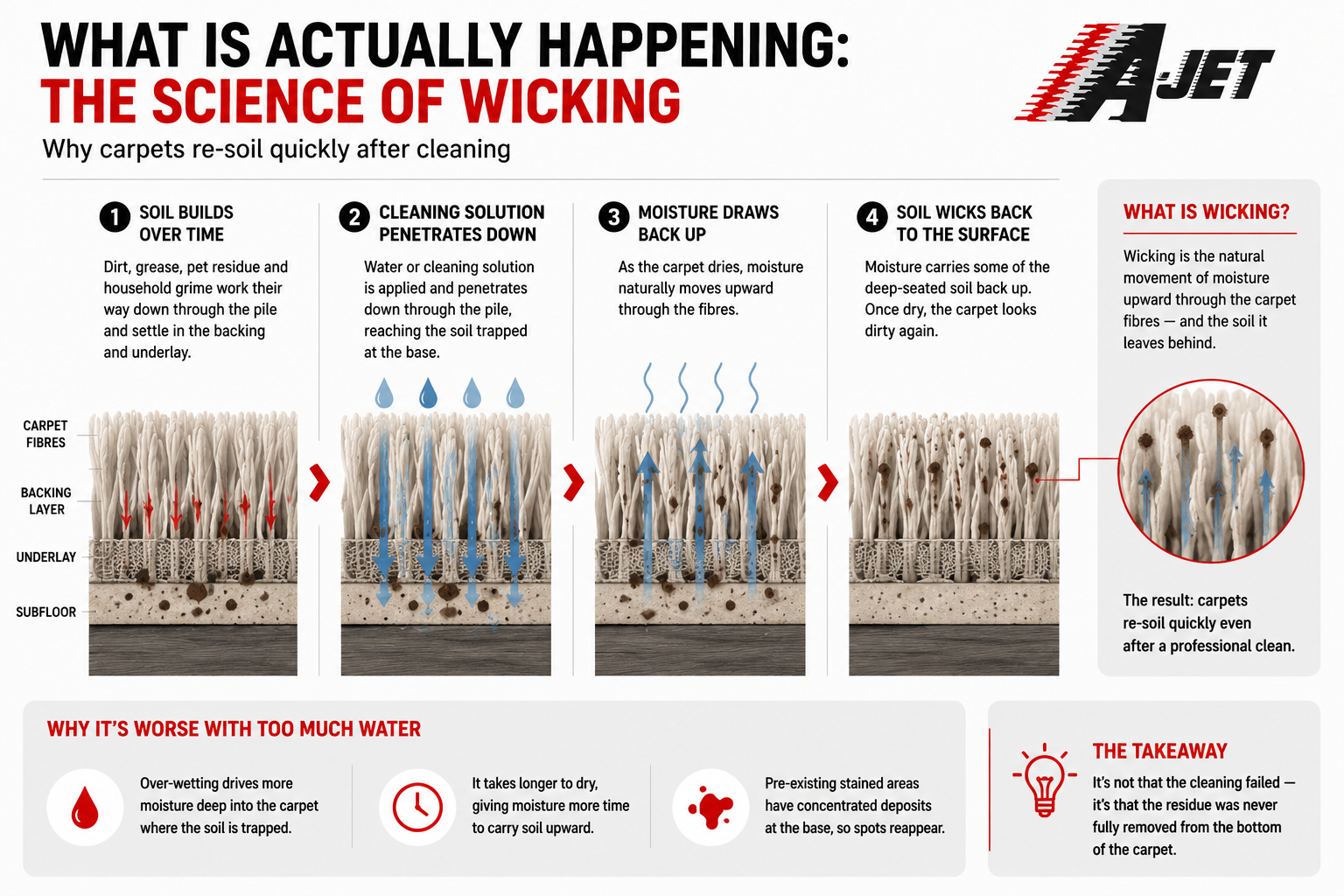
The Real Reason Your Carpets Look Dirty Again After Cleaning
Detergent Residue: The Other Culprit
The second major cause of rapid resoiling is cleaning chemicals left behind in the carpet. Many lower-cost cleaning methods use detergents or foaming agents that, without proper rinsing and extraction, leave a sticky residue throughout the pile. That residue is invisible when the carpet is dry, but it acts like a magnet for dust, dirt, and foot traffic oils. A carpet with detergent residue will typically look acceptable for the first few days and then deteriorate rapidly as normal household activity deposits fresh soil onto the sticky fibres. The more it is walked on, the worse it gets.
This problem is compounded by cleaning machines that lack the extraction power to remove the solution they have applied. Portable, low-cost cleaning units, common among budget carpet cleaning operators, simply do not generate enough suction to pull moisture and dissolved soil back out of the pile effectively. They wet the carpet adequately, but cannot extract it adequately. The result is carpets that feel damp for an extended period and then resoil faster than they did before they were cleaned.
What Proper Extraction Actually Involves
Hot water extraction, carried out correctly with professional-grade equipment, addresses both problems. The process applies heated water at the right temperature to break down soiling at a fibre level, combined with high-pressure extraction that removes both the water and the dissolved soil in a single pass. Crucially, the extraction pressure needs to be sufficient to pull moisture from the base of the pile, not just the surface, which is what prevents wicking. Pre-treatment of stained areas before the main clean gives the chemistry time to work on concentrated deposits before the main extraction begins.
Drying time is a reliable indicator of how well the extraction has performed. A properly extracted carpet should be dry within four to eight hours under normal Auckland conditions. If a carpet is still damp after 24 hours, it has been over-wet and under-extracted, the exact conditions that cause wicking and rapid resoiling. The slower the drying, the worse the outcome is likely to be, and the sooner the dirty appearance will return.
AJet Services uses truck-mounted hot water extraction equipment, the same standard used by IICRC-certified technicians internationally, which generates significantly more heat and suction than portable units. If your carpets have a history of looking good for a week and then going backwards, we would be glad to show you what a thorough extraction clean actually looks like.
Call us on 0800 862 538 or get in touch online for a free quote.

Family Owned and Operated!