
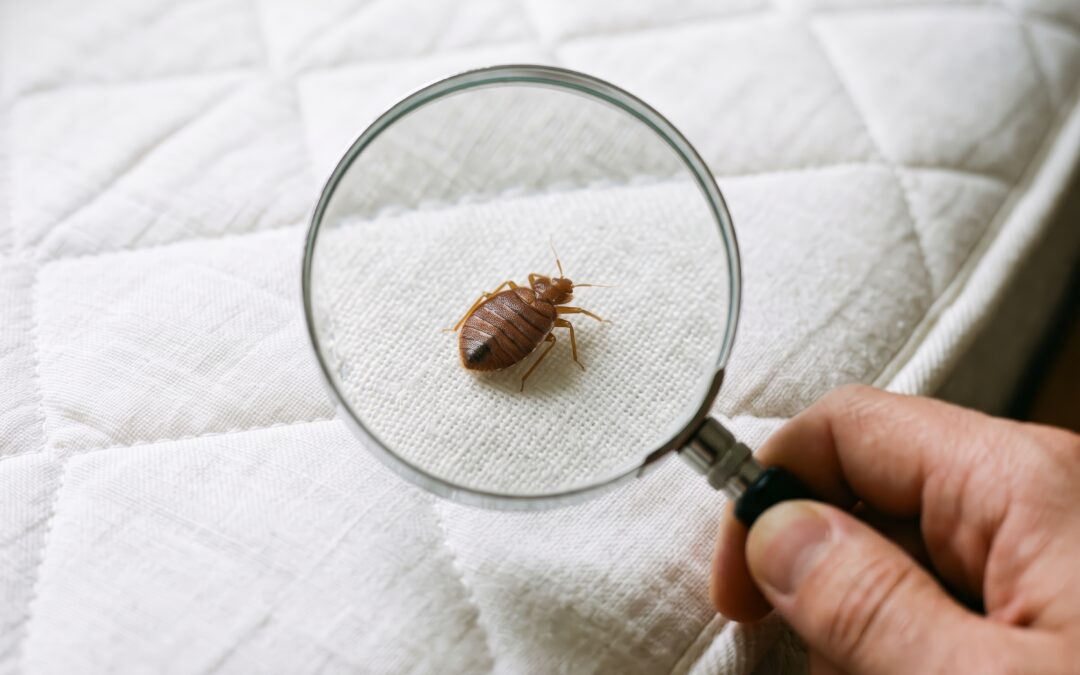
Not sure if you have bed bugs? Learn the clear warning signs, why they spread so fast, and what to do next to clear them with professional treatment in Auckland.
Written by Anita Collins-Preiss
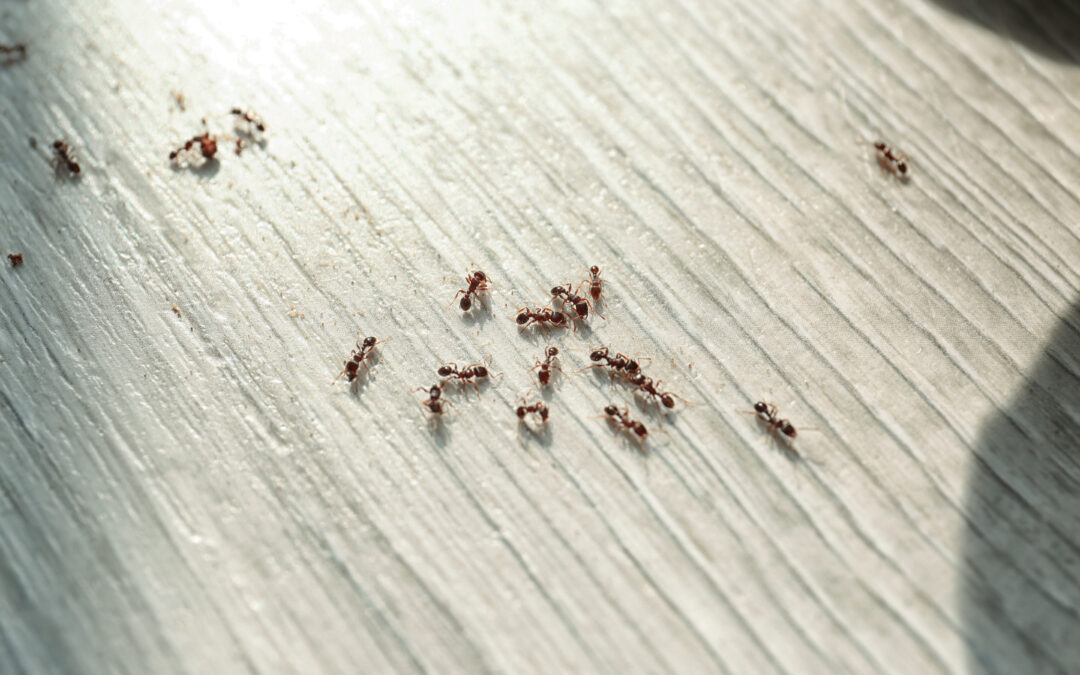
How to Tell if You Need Professional Ant Control
A few ants or a real infestation? Learn the signs you need professional ant control in Auckland, why sprays fail, and how treating the nest stops ants for good.

How Often Should You Clean Carpets in Auckland Homes?
How often should you clean your carpets? Learn the right timing for Auckland homes, when to clean more often, and why professional cleaning beats DIY.
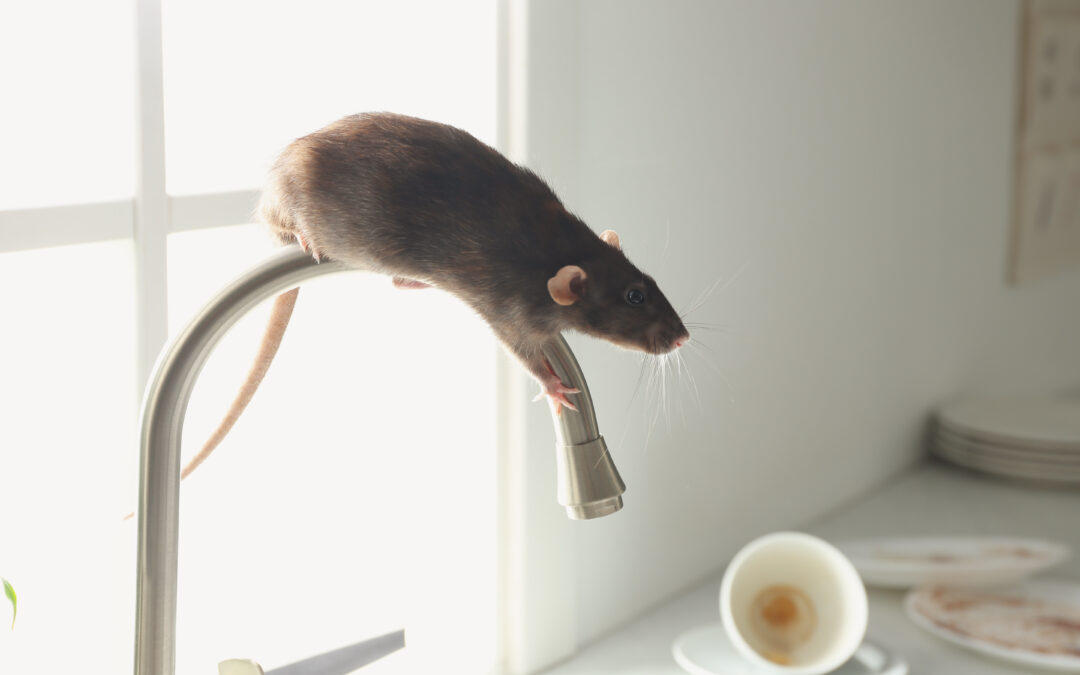
Why Mice and Rats Enter Auckland Homes in Winter
Rats and mice head indoors as Auckland cools down. Learn why they enter homes in winter, the risks they bring, and how rodent control keeps them out.
How Much Does Carpet Cleaning Cost in Auckland?
Wondering what carpet cleaning costs in Auckland? Learn what affects the price, why the cheapest quote is not always best, and how to get the best value.

What Auckland Businesses Should Know About Ongoing Pest Management
Ongoing pest management protects your Auckland business from costly outbreaks. Learn how commercial pest control works and why it beats one-off call-outs.
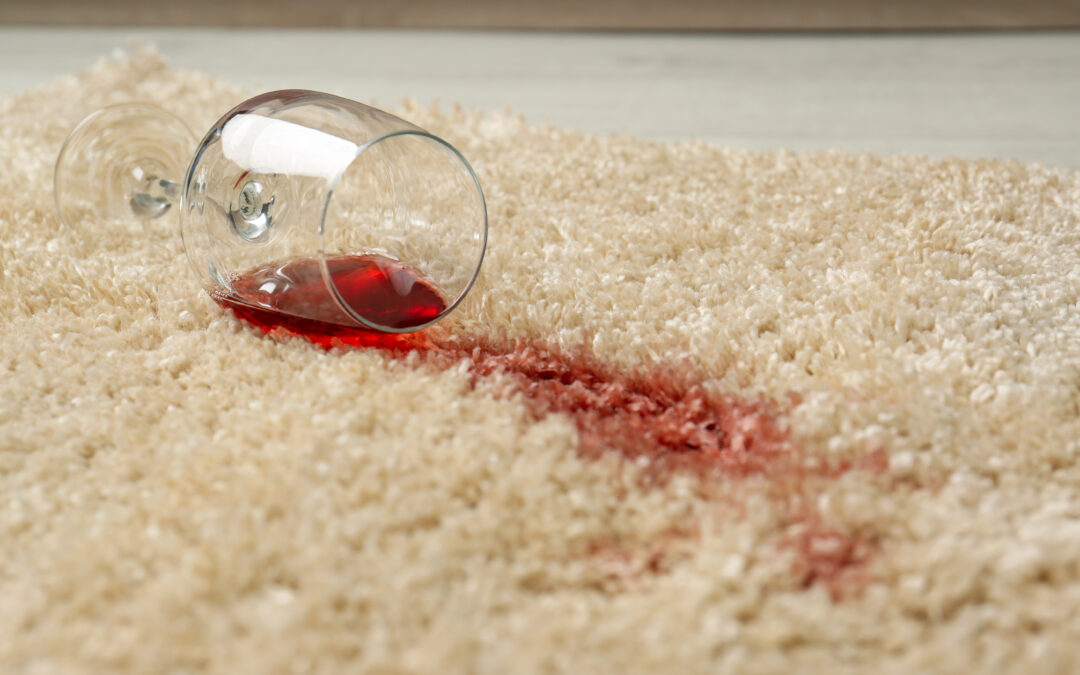
Carpet Stain Removal: What Works for Wine, Coffee, and Pet Stains
Wine, coffee, or pet stains on your carpet? Learn what actually works for carpet stain removal at home, the mistakes to avoid, and when to call a professional.
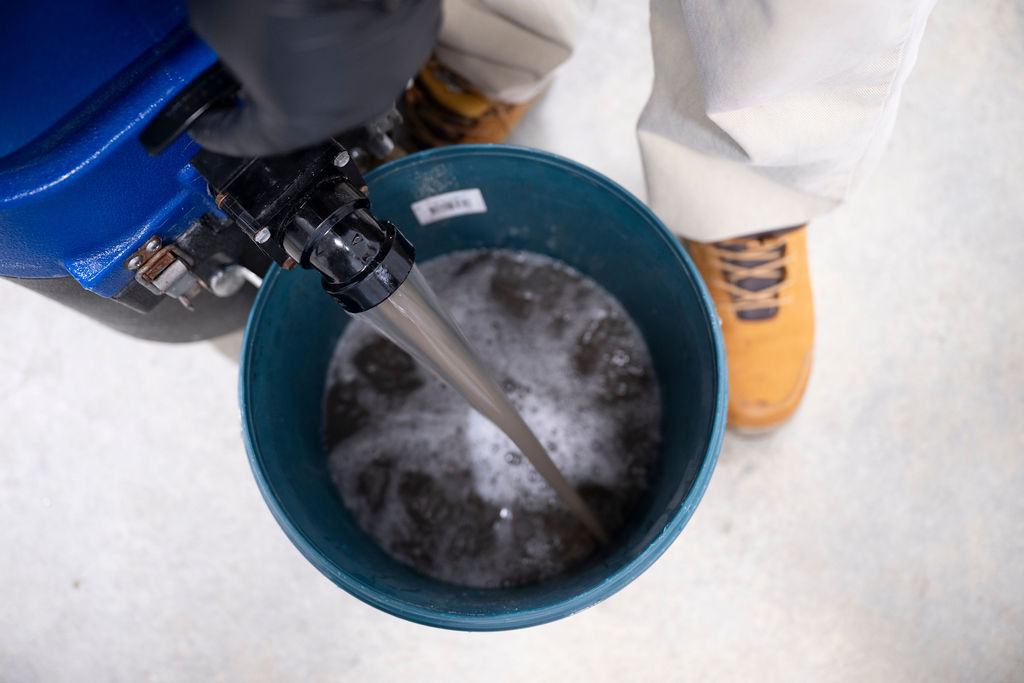
Why Professional Carpet Cleaning Helps Improve Indoor Air Quality
Your carpet traps dust, allergens, and dust mites that affect the air you breathe. Learn how professional carpet cleaning in Auckland helps improve indoor air quality.
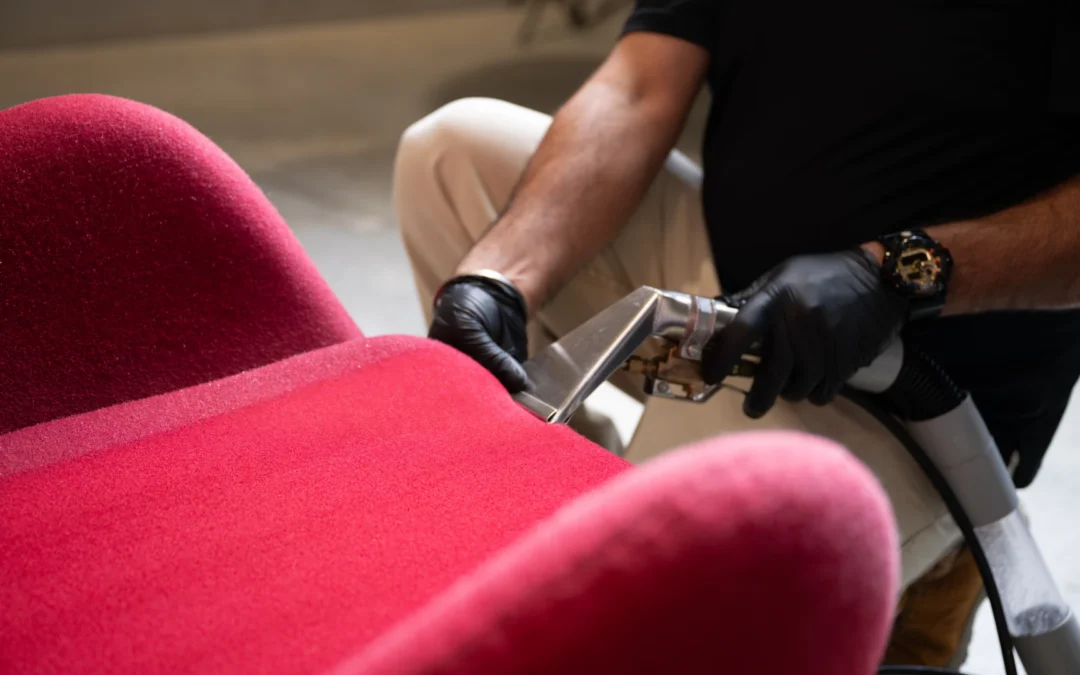
Upholstery Cleaning Tips for Sofas, Chairs, and Fabric Furniture
Keep your sofa and chairs fresh with simple upholstery cleaning tips. Learn how to spot clean fabric, protect delicate materials, and when to call a professional.
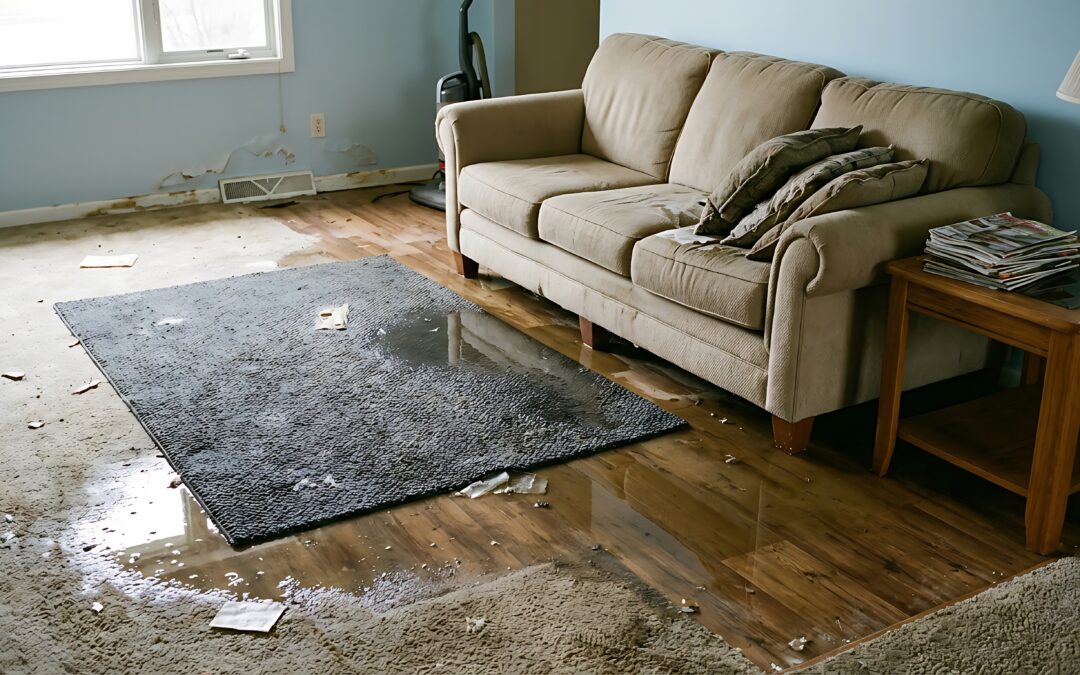
What to Do After Flood Damage to Carpets and Soft Furnishings
Flooded carpets and furniture? Learn the steps to take after flood damage, how to stay safe, and why fast professional flood recovery helps save your home.
Many Aucklanders and New Zealanders see a buzzing insect and assume it’s just a “bee” or a “wasp,” but bees, wasps and hornets are very different insects with different roles in our environment.
Knowing the difference is key to protecting pollinators and supporting biosecurity. Recently, Stuff noted that nearly 10,000 sightings of yellow-legged hornets were reported on Auckland’s North Shore, with the Ministry of Primary Industries (MPI) urgently collecting this information from the community as part of efforts to detect and eliminate invasive hornets.
Being able to spot the difference between bees, wasps and hornets will help you to understand when a beekeeper should be called to relocate bees, get wasp specialists in to treat growing nests, and know when to report a potential invasive species sighting to MPI.
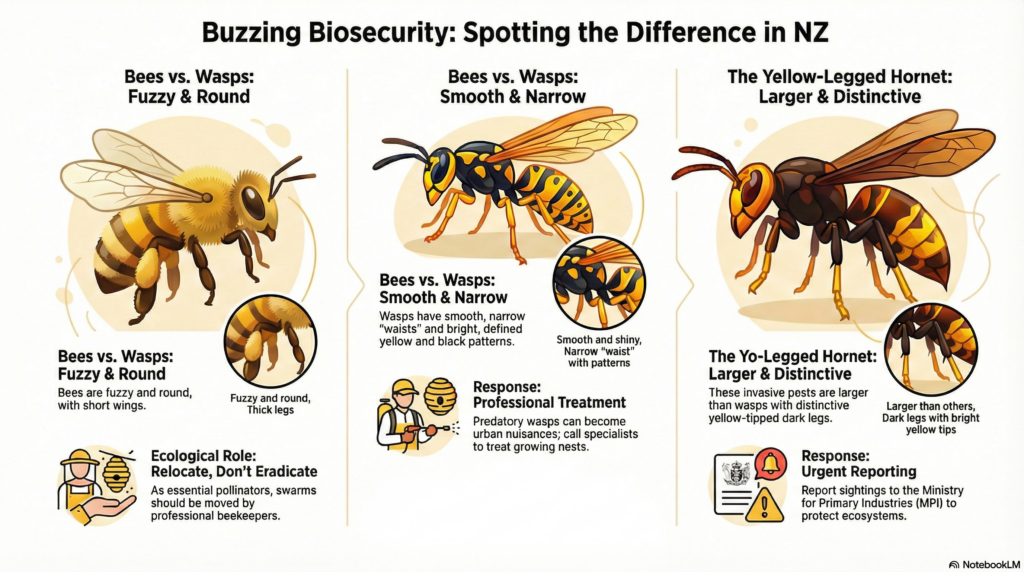
Bees – Nature’s Essential Pollinators
- Fuzzy round bodies designed to carry pollen.
- Short wings, with thick legs
- Feed on nectar and pollen.
- Some live in colonies, others are solitary native bees.
- Vital for pollinating plants and crops.
Because bees are essential pollinators, when bee swarms, colonies or nests are found, our recommended approach is safe relocation by beekeepers. This helps protect bees’ critical ecological role.
Wasps – Predators and Scavengers
- Smooth/shiny narrow bodies with distinct “waists”.
- Bright and defined yellow/black patterns.
- Some are solitary, some social.
- Many are predatory, capturing other insects to feed their larvae.
In urban settings, wasps can quickly become a nuisance. While they are part of the ecosystem and can even help control pest insects, they are not the pollination champions that bees are. They’re also a pest, with colonies that can grow to significantly sizes if not treated.
Yellow-Legged Hornet
- Bigger than wasps and bees, with distinctive dark legs with bright yellow tips.
- Predatory, including preying on bees.
In New Zealand, the yellow-legged hornet is an invasive species that poses a threat to local ecosystems and the health of honeybees and wild bees. Accurate reporting to MPI helps authorities detect and eliminate nests.
Why it matters
Understanding the difference between bees, wasps and hornets is more than just insect trivia – it’s a matter of environmental responsibility, conservation and community biosecurity.
If you’re unsure what insect you’ve seen, take a clear photo and report it to MPI for identification. In areas like Auckland’s North Shore, where invasive hornets have been reported in large numbers, accurate identification and reporting to MPI can make a real difference in protecting New Zealand’s native ecosystems and agricultural pollinators.
If you have a wasp nest to be taken care of, call our wasp specialists today before they take over!

Family Owned and Operated!