
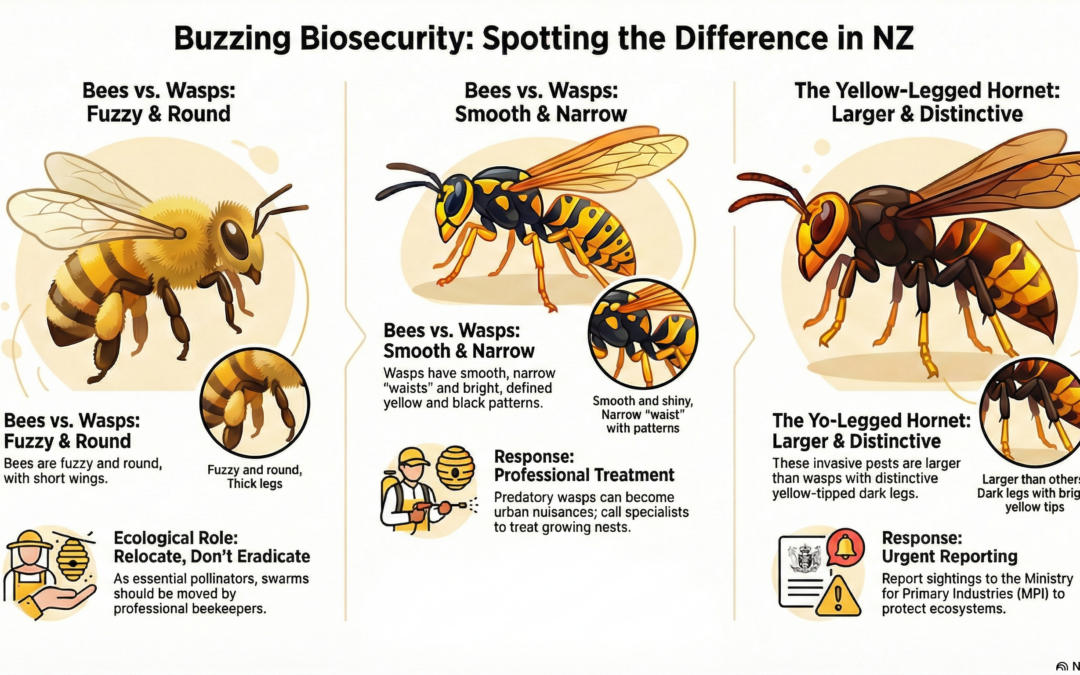
Many Aucklanders and New Zealanders see a buzzing insect and assume it’s just a “bee” or a “wasp,” but bees, wasps and hornets are very different insects with different roles in our environment. Knowing the difference is key to protecting pollinators and supporting biosecurity. Recently, Stuff noted that nearly 10,000…
Written by Anita Collins-Preiss
How to Prevent Common Summer Pests: Auckland
As summer approaches in Auckland, it brings warmer weather and longer days – perfect for social gatherings, barbecues, and enjoying the outdoors. However, summer also brings an increase in pest activity. Auckland’s warm and humid summer climate is ideal for pests to thrive. Common summer pests like ants, cockroaches, flies,…
12 Interesting Facts About Fleas
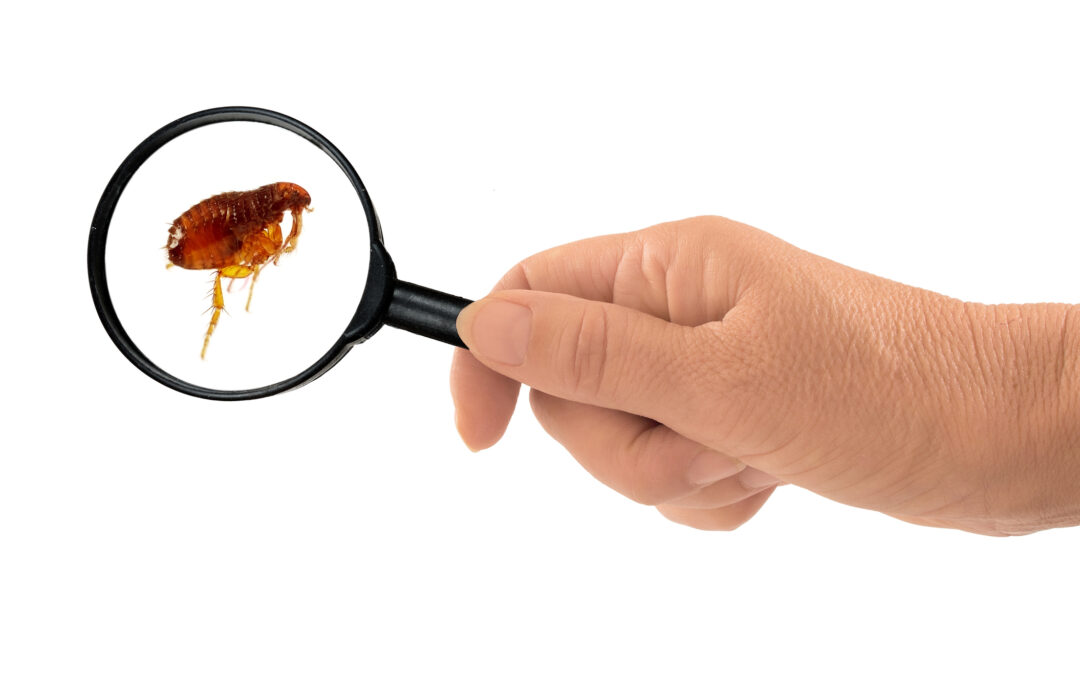
Fleas are more than just a nuisance; they are fascinating creatures with unique characteristics. Understanding these tiny pests can help you manage and prevent infestations in your home or business in Auckland. Here are 10 interesting facts about fleas that might surprise you and some tips on effective flea pest…

Pest Control Tips for Winter
As winter sets in across Auckland, the need for effective pest control becomes paramount. The colder months drive pests indoors in search of warmth and food, making it essential to adopt proactive measures to keep your home or business pest-free. In this blog, we’ll share valuable pest control tips we’ve…
10 Interesting Facts About Rats
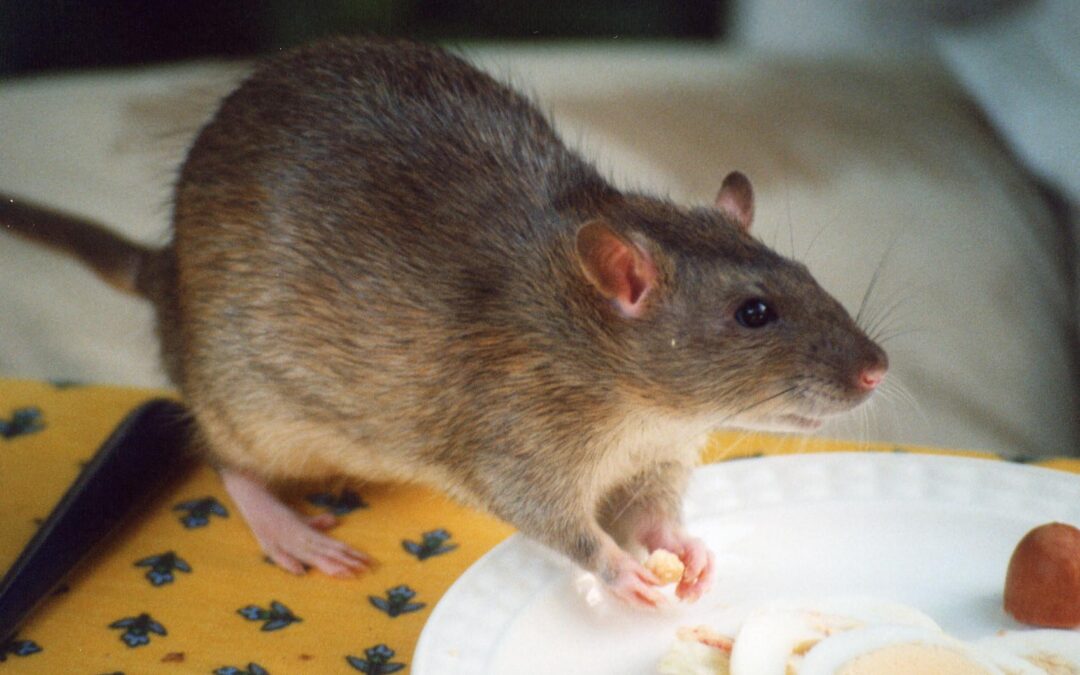
As Auckland’s leading rodent exterminators, the A-Jet Pest Control team is more familiar with the humble rat than most. While they may be everyone’s least favourite house guest, rats are actually quite fascinating creatures. In this article, we’ll share 10 of our favourite rodent facts. 1. Rodents Are Highly Intelligent…
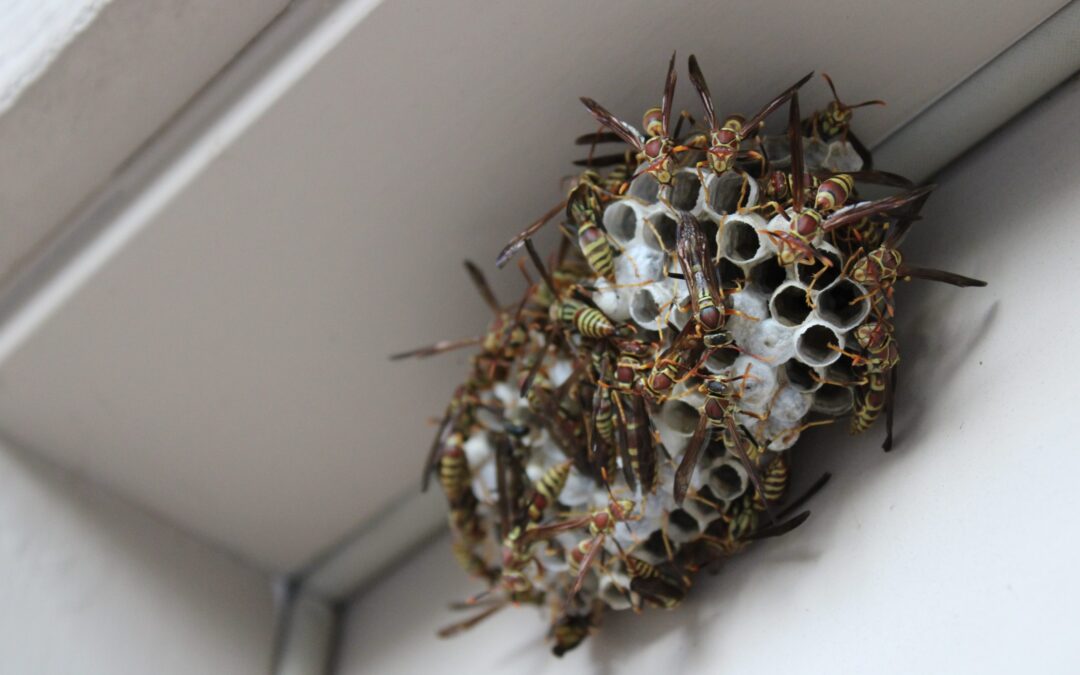
How To Get Rid Of Wasps [2024]
You’re enjoying a sunny afternoon with your family when you hear a menacing buzzing in your ear. Wasps have come to ruin your afternoon. Sound familiar? You’re not alone. Across New Zealand, including Auckland, this is an all too familiar experience. Not only are wasps difficult to get rid of,…

Is Pest Control Safe For Pets? [2024]
Is pest control safe for pets? This is one of the most frequent questions we hear from clients. In many Kiwi homes, your pet is another member of your family, so this worry is incredibly valid. The short answer is yes, in most cases, when you follow the preparation information,…
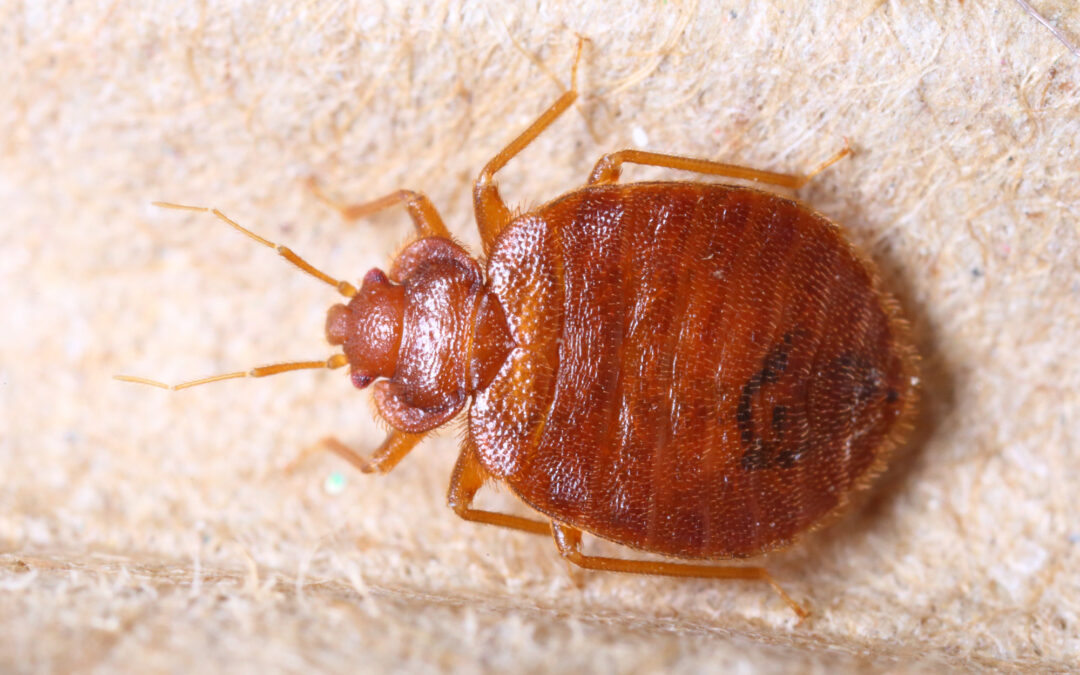
10 Interesting Facts About Bed Bugs
As Auckland’s leading beg bug exterminators, the A-Jet Pest Control team are more familiar with the humble bed bug than most. And while they may be everyone’s least favourite houseguest, they’re also an interesting insect. In today’s article, we’ll share 10 of our favourite bed bug facts that may make…

Christmas Decorating Tips for Pest Prevention
The holiday season is a time of fun and celebration, but it’s also a time when pests can find their way into our homes. To help create a pest-free summer season, it’s important to take preventive measures when decorating your home. As Auckland’s leading pest exterminators, we have put together…
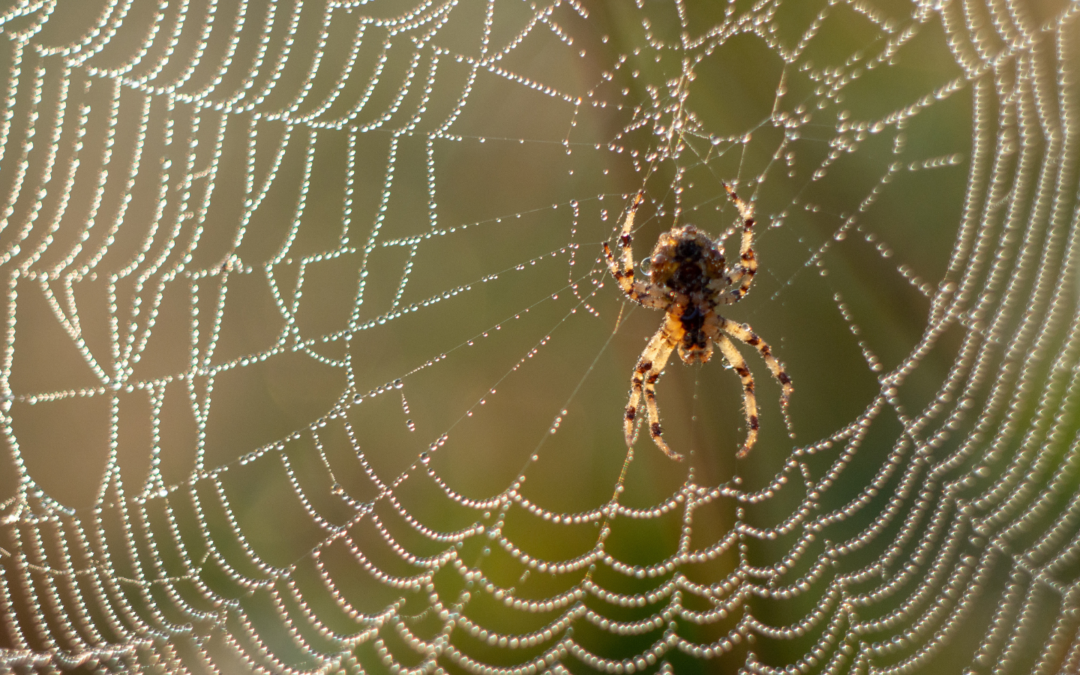
10 Interesting Facts About Spiders
As Auckland’s spider exterminators, the A-Jet Pest Control team are more than familiar with the humble spider. And while they may be everyone’s least favourite houseguest, they are quite interesting and can help control other insects in your home. In this article, we’ll share ten of our favourite spider facts…
Cockroaches have lived alongside man for well over 300 million years. They have survived all natural disasters during this time – they are a hardy insect and a survivor. These insects are a common household pest during the wetter and darker months. Get in touch for our cockroach management services if you have cockroaches in your home or business.
Generally speaking, cockroaches common to New Zealand are nocturnal and omnivore feeders, and can transmit diseases and bacteria pathogens such as salmonella. In addition, they can cause skin irritations, allergic reactions and breathing difficulties.
The cockroach has a life cycle consisting of three distinct stages: egg, nymph, and adult. The specific elements of the life cycle vary according to species, however. The female can lay 5-30 egg sacs containing 12-40 eggs, which can make them difficult to control once they have entered a home or residential property.
Cockroach Species Found In NZ
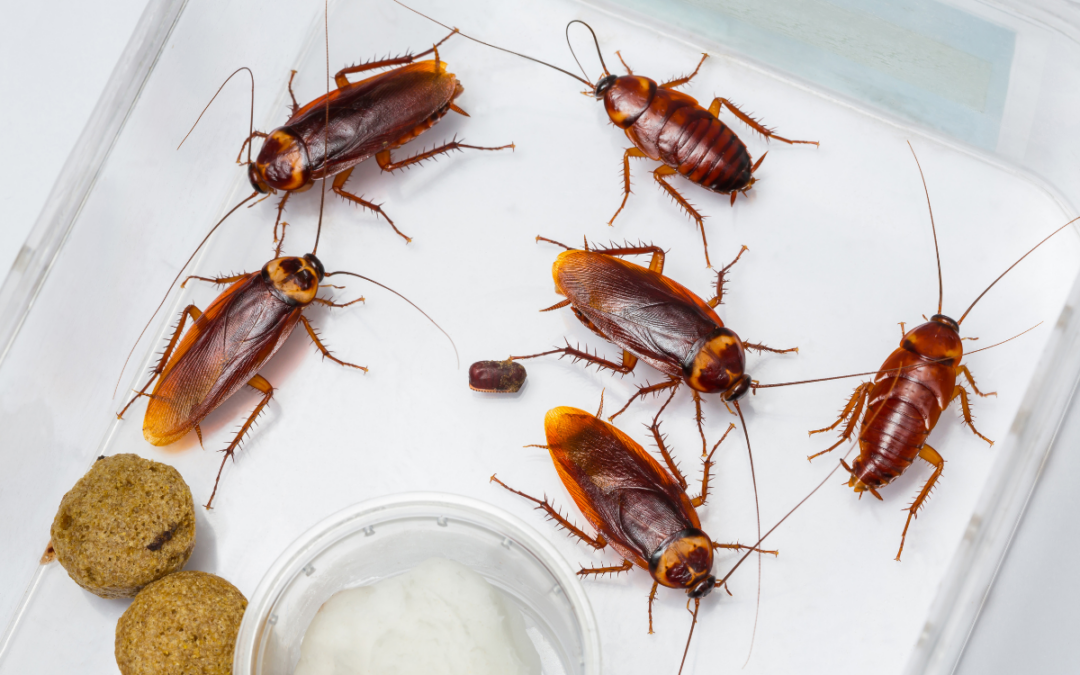
In this country we find a number of cockroaches, usually three species in particular: the native cockroach, often referred to as the Gisborne cockroach; the American cockroach which is the largest and the disease carrying variety namely Blattella Germanica known as the German cockroach. Each have their own distinctions, habits and require different treatments to get rid of.
Gisborne Cockroach
This breed of cockroach are small, wingless and native to New Zealand. Although originally based in Australia, they were first recorded in New Zealand at Gisborne and later in more areas in the North Island, Nelson and Blenheim. They commonly live outdoors in primarily damp, dark areas and decaying forest matter. Certain species can be found under slabs of rock in the subalpine and alpine regions of New Zealand.
As omnivores, they feed on organic materials, including dead wood, and have symbiotic gut flora which helps them digest dead wood and similar matter. While they may be considered a household pest, these insects do not naturally live indoors and are most commonly brought into a home via firewood, or are attracted by timber and bark chips.

American Cockroach
The American cockroach is the largest common species of cockroach and is considered a pest in many areas of the world, including New Zealand. Despite its name, these cockroaches are native to Africa and the Middle East, and are now one of the main cockroaches commonly found in New Zealand. These insects have adapted to human living spaces, with evolved detoxification, immune systems, and growth and reproduction methods.
Also omnivores, these cockroaches eat many materials, including cheese, beer, tea, leather, bakery products, plant materials, book bindings, glue and fermenting foods. When it comes to their ideal habitat, American cockroaches prefer moist areas with higher temperatures, and are found in many different residential areas. American cockroaches can cause sickness in humans, from their odorous secretion and the bacteria they pick up and deposit on foods and surface areas.

German Cockroach
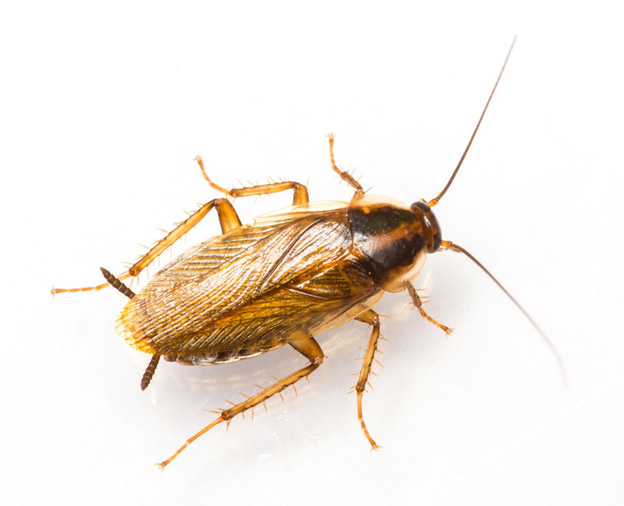
The German cockroach is a smaller species of cockroach that can vary from tan to almost black. This species of cockroach is considered one of the most troublesome domestic pests. When it comes to domestic areas, the German cockroach is common in restaurants, food processing facilities, hotels and institutional establishments such as nursing homes. As they cannot survive in the cold, they become more common in domestic areas when the climate is cooler.
Defined as ‘omnivorous scavengers’ these cockroaches will feed on meats, starches, sugars and fatty foods. They have also been known to eat soap, glue and toothpaste. Of all the cockroaches listed here these are considered more resilient in the face of many pest control measures.

Family Owned and Operated!