
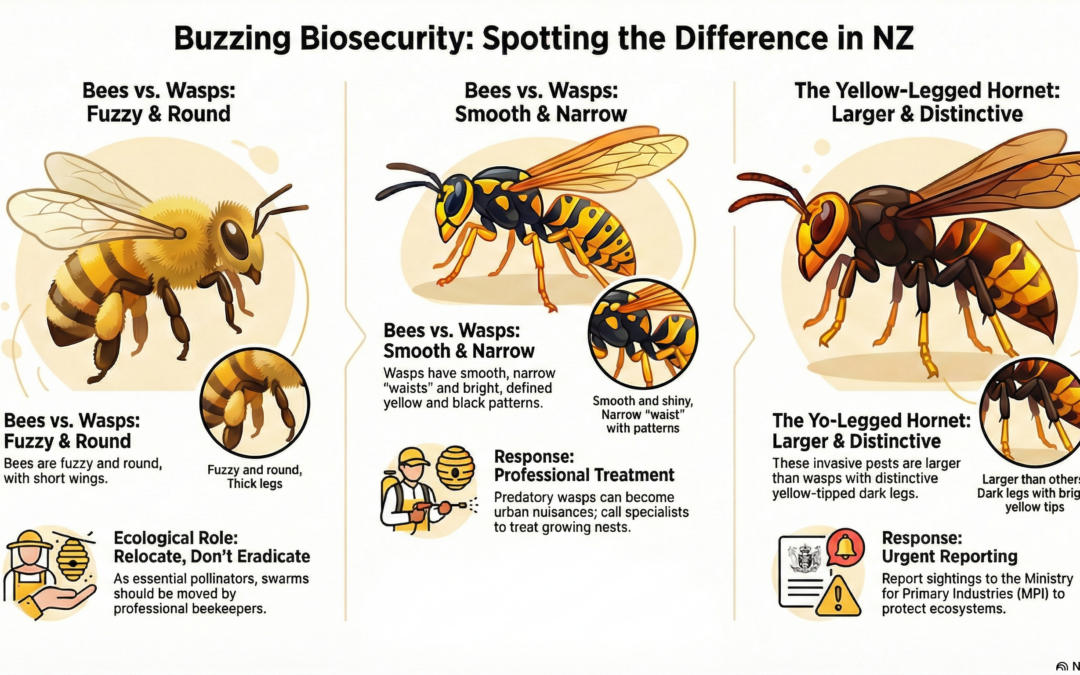
Many Aucklanders and New Zealanders see a buzzing insect and assume it’s just a “bee” or a “wasp,” but bees, wasps and hornets are very different insects with different roles in our environment. Knowing the difference is key to protecting pollinators and supporting biosecurity. Recently, Stuff noted that nearly 10,000…
Written by Anita Collins-Preiss
How to Prevent Common Summer Pests: Auckland
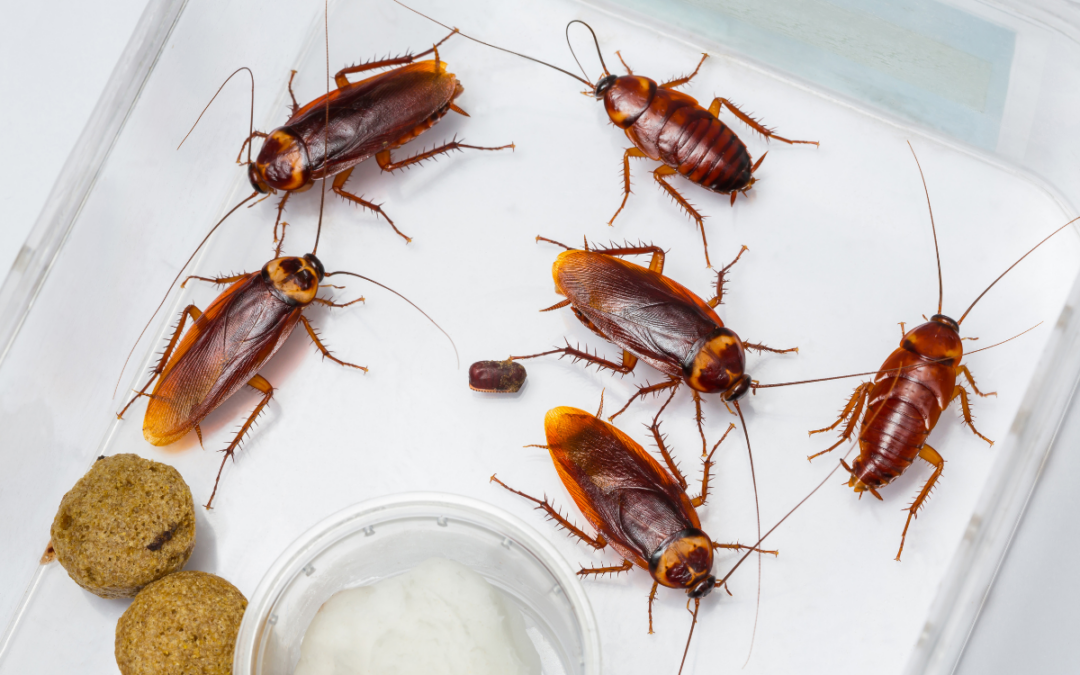
As summer approaches in Auckland, it brings warmer weather and longer days – perfect for social gatherings, barbecues, and enjoying the outdoors. However, summer also brings an increase in pest activity. Auckland’s warm and humid summer climate is ideal for pests to thrive. Common summer pests like ants, cockroaches, flies,…
12 Interesting Facts About Fleas
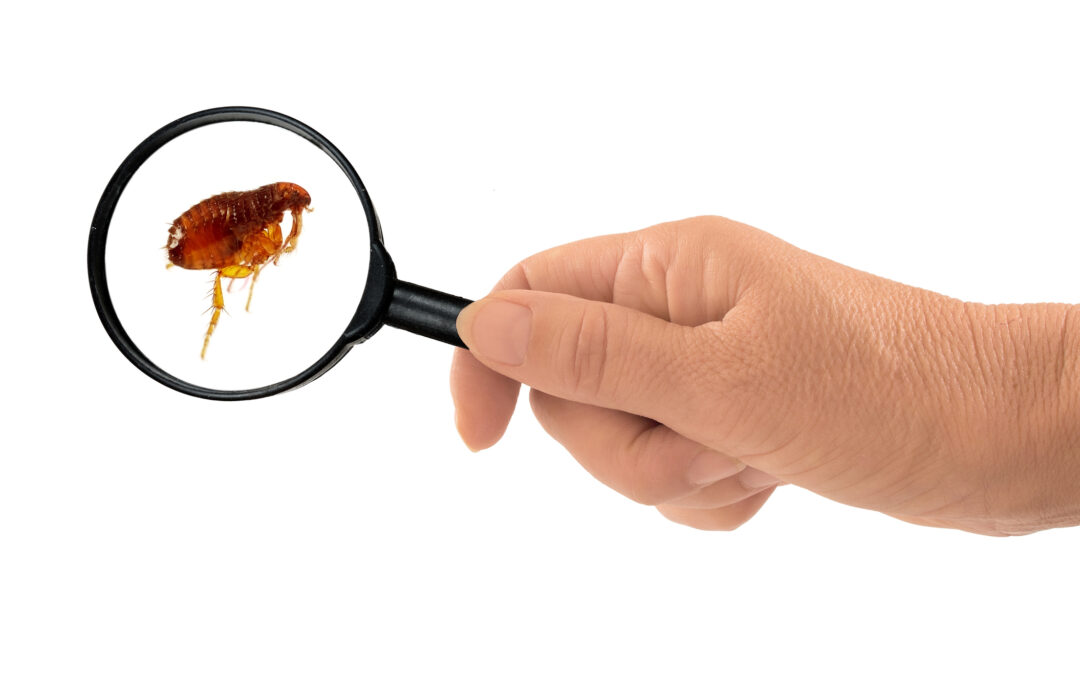
Fleas are more than just a nuisance; they are fascinating creatures with unique characteristics. Understanding these tiny pests can help you manage and prevent infestations in your home or business in Auckland. Here are 10 interesting facts about fleas that might surprise you and some tips on effective flea pest…
Pest Control Tips for Winter
As winter sets in across Auckland, the need for effective pest control becomes paramount. The colder months drive pests indoors in search of warmth and food, making it essential to adopt proactive measures to keep your home or business pest-free. In this blog, we’ll share valuable pest control tips we’ve…
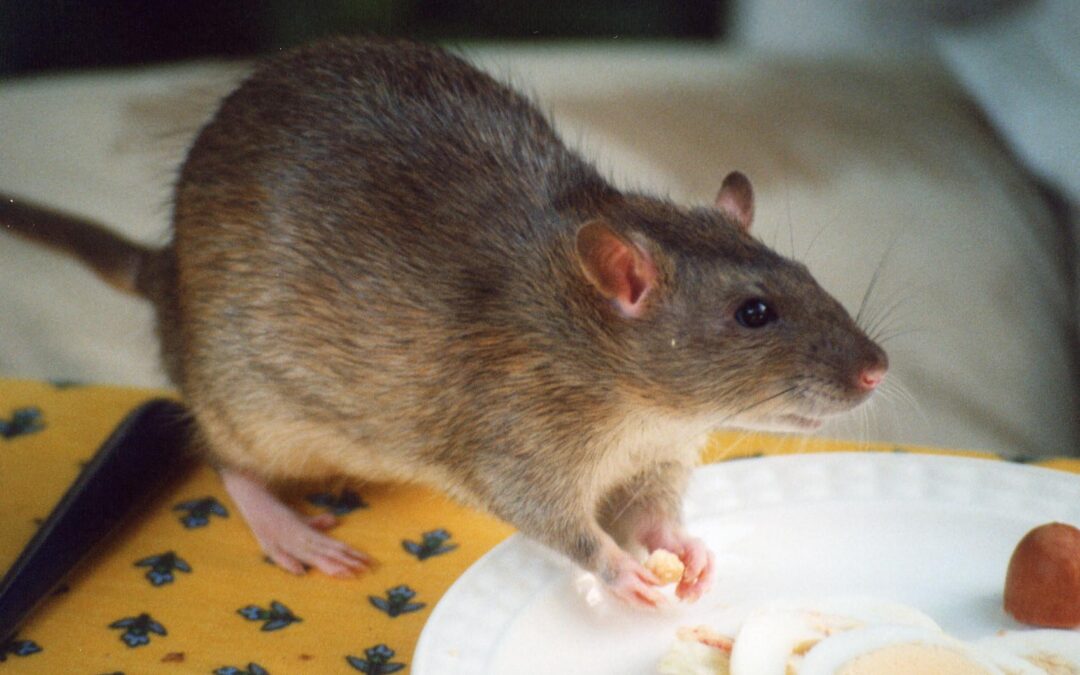
10 Interesting Facts About Rats
As Auckland’s leading rodent exterminators, the A-Jet Pest Control team is more familiar with the humble rat than most. While they may be everyone’s least favourite house guest, rats are actually quite fascinating creatures. In this article, we’ll share 10 of our favourite rodent facts. 1. Rodents Are Highly Intelligent…
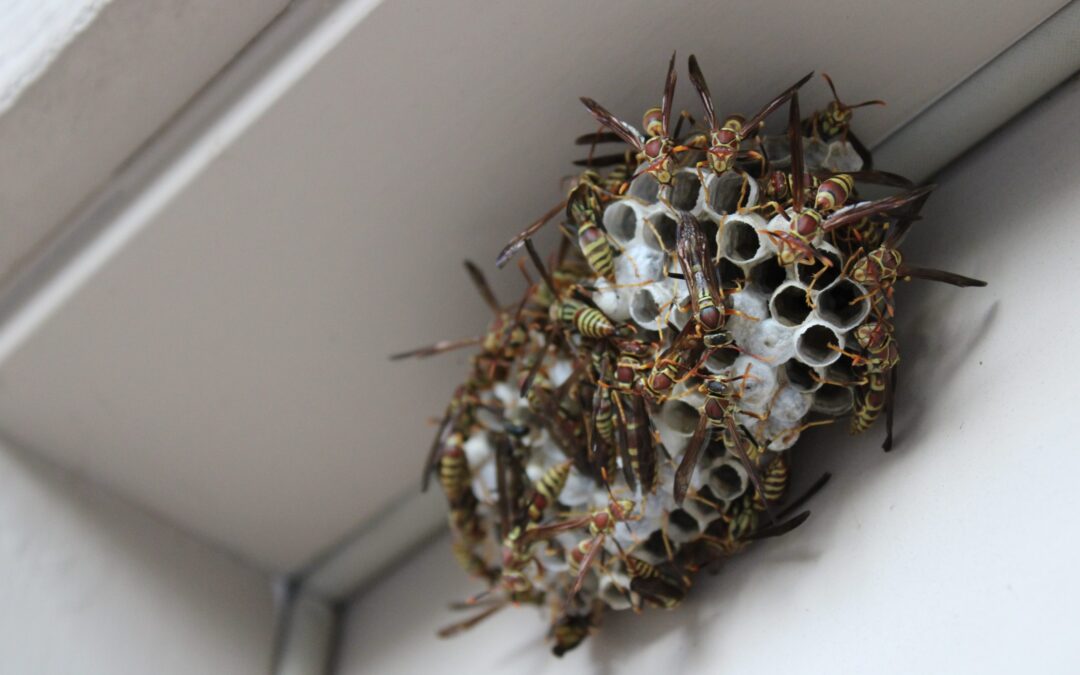
How To Get Rid Of Wasps [2024]
You’re enjoying a sunny afternoon with your family when you hear a menacing buzzing in your ear. Wasps have come to ruin your afternoon. Sound familiar? You’re not alone. Across New Zealand, including Auckland, this is an all too familiar experience. Not only are wasps difficult to get rid of,…

Is Pest Control Safe For Pets? [2024]
Is pest control safe for pets? This is one of the most frequent questions we hear from clients. In many Kiwi homes, your pet is another member of your family, so this worry is incredibly valid. The short answer is yes, in most cases, when you follow the preparation information,…
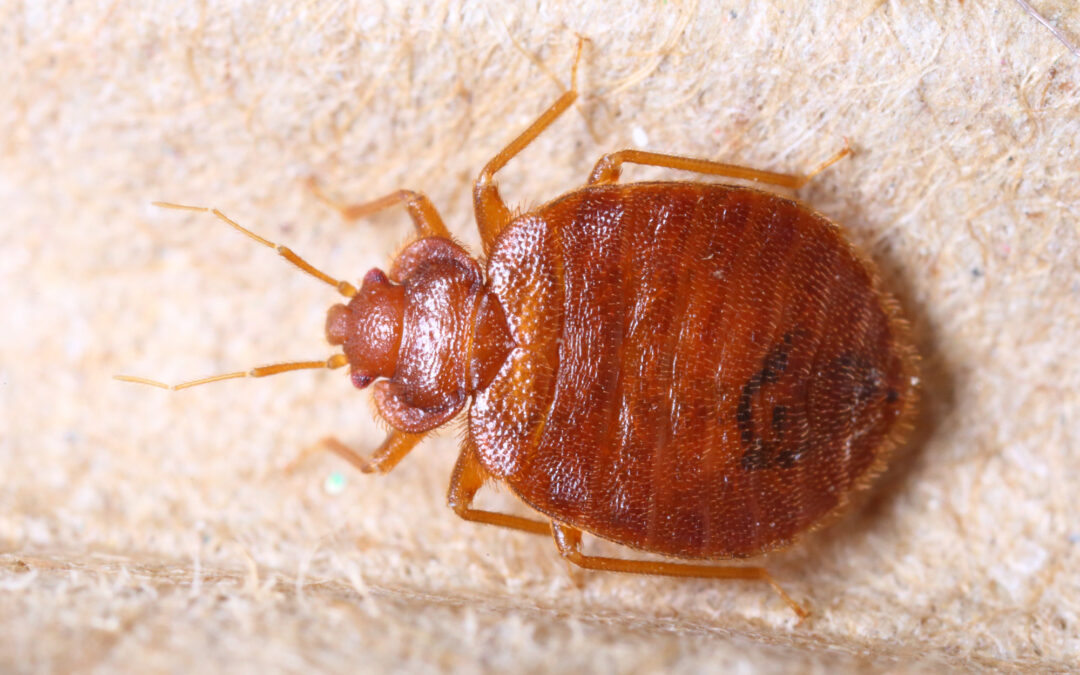
10 Interesting Facts About Bed Bugs
As Auckland’s leading beg bug exterminators, the A-Jet Pest Control team are more familiar with the humble bed bug than most. And while they may be everyone’s least favourite houseguest, they’re also an interesting insect. In today’s article, we’ll share 10 of our favourite bed bug facts that may make…

Christmas Decorating Tips for Pest Prevention
The holiday season is a time of fun and celebration, but it’s also a time when pests can find their way into our homes. To help create a pest-free summer season, it’s important to take preventive measures when decorating your home. As Auckland’s leading pest exterminators, we have put together…
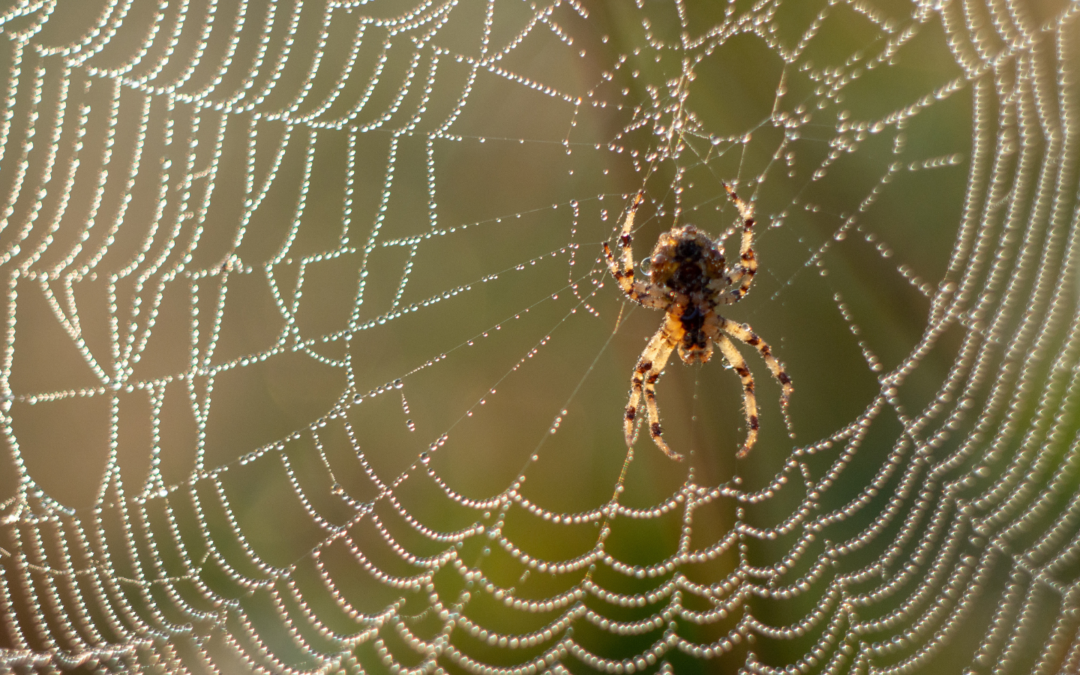
10 Interesting Facts About Spiders
As Auckland’s spider exterminators, the A-Jet Pest Control team are more than familiar with the humble spider. And while they may be everyone’s least favourite houseguest, they are quite interesting and can help control other insects in your home. In this article, we’ll share ten of our favourite spider facts…
If you’ve had the misfortune of recently seeing a rodent in your property, one of the first things you may want to know is what type of rodent you’re dealing with. If you already know you have a rodent issue, get in touch immediately for our professional rodent control service!
We’re here to help! In New Zealand, we have four types of invasive rodents, which are the house mouse, the ship rat, the Norwegian rat, and the kiore. Below, we’ll go through the characteristics of each type so you have a better idea of what you’re dealing with. First, though, we’ll take an overview of rodents as a whole.
What Are Rodents?
Rodents are a type of small mammal, classed as part of the order Rodentia, and include squirrels, hamsters, mice, rats, and guinea pigs. What do all of these have in common? The answer is their teeth.
All rodents have teeth that are specialised for gnawing: these come in the form of sharp upper and lower incisors which are constantly being ground down and so constantly growing so that they stay a consistent length. They’re natural hunters, with keen senses of smell, hearing, and vision.
House Mouse
The house mouse (Mus musculus) is the common mouse, best known for making peoples’ homes their primary food source – being omnivores, they’ll eat just about anything they can get their paws on – but also for their role as prominent laboratory organisms.
You’ll recognize them from their white undersides. Typically, the upper (dorsal) side of a house mouse’s body is dark to light brown and the lower (vental) side is pale brown.
You can tell the difference between a mouse and a rat based on their tail – mice have shorter, hairy tails, whereas rats have long, completely hairless and “scaly” tails.

Ship Rat
The ship rat (Rattus rattus) is the most common pest in New Zealand, being found in just about every part of the country. It’s also known as the black rat – a bit of a misnomer as its fur can range in color from grey to black – and the roof rat because it likes to build its nests in high-up roof spaces. This species is a very good climber!
The most distinguishing feature of the ship rat is its very long tail, which stretches out longer than its body. Its ears are also noticeably longer than those of its European cousin, the Norwegian rat.

Norway Rat
The Norway rat (Rattus norvegicus) is more commonly known as the brown rat – you’ll be able to tell it apart from the ship rat by its lightly-colored fur. You might also know it as the water rat due to its proclivity for wet environments.
As opposed to the very long, skinny tail of the ship rat, the Norway rat has a thick tail that is slightly shorter than its (on average) 20 cm long body. Additionally, their ears are short and stubby, unable to cover their eyes if pressed down.

Kiore
Kiore is the Māori name for the Pacific or Polynesian rat (Rattus exulans). Kiore are often confused with ship rats, as their coloring is very similar. One way to tell the difference is by the length of its tail, which is either slightly shorter or slightly longer than its body.
The other most common way to tell a Kiore from a ship rat is by its size: Kiore look like a smaller version of the ship rat. A third way to distinguish Kiore is through its distinctly pale foot.

If you’ve seen any of these critters in your home, it’s important to get the situation under control before it has the chance to get out of control. Rodents breed rapidly and cause all sorts of issues – from diseases through to electrical fires or floods. For peace of mind, feel free to give us a call today!

Family Owned and Operated!