
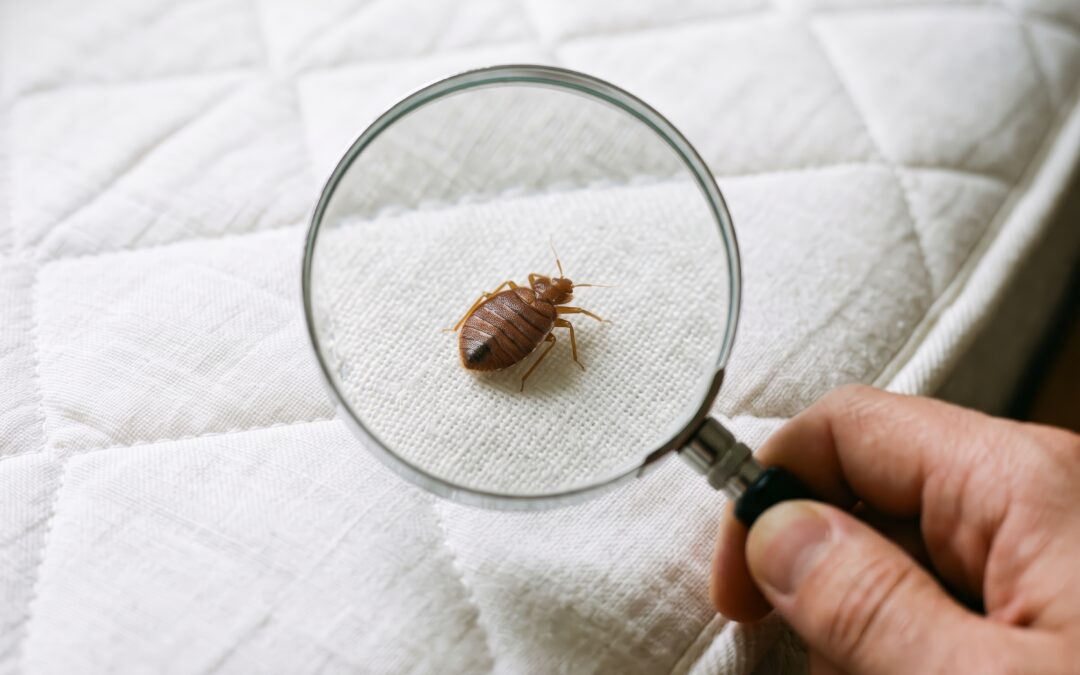
Not sure if you have bed bugs? Learn the clear warning signs, why they spread so fast, and what to do next to clear them with professional treatment in Auckland.
Written by Anita Collins-Preiss
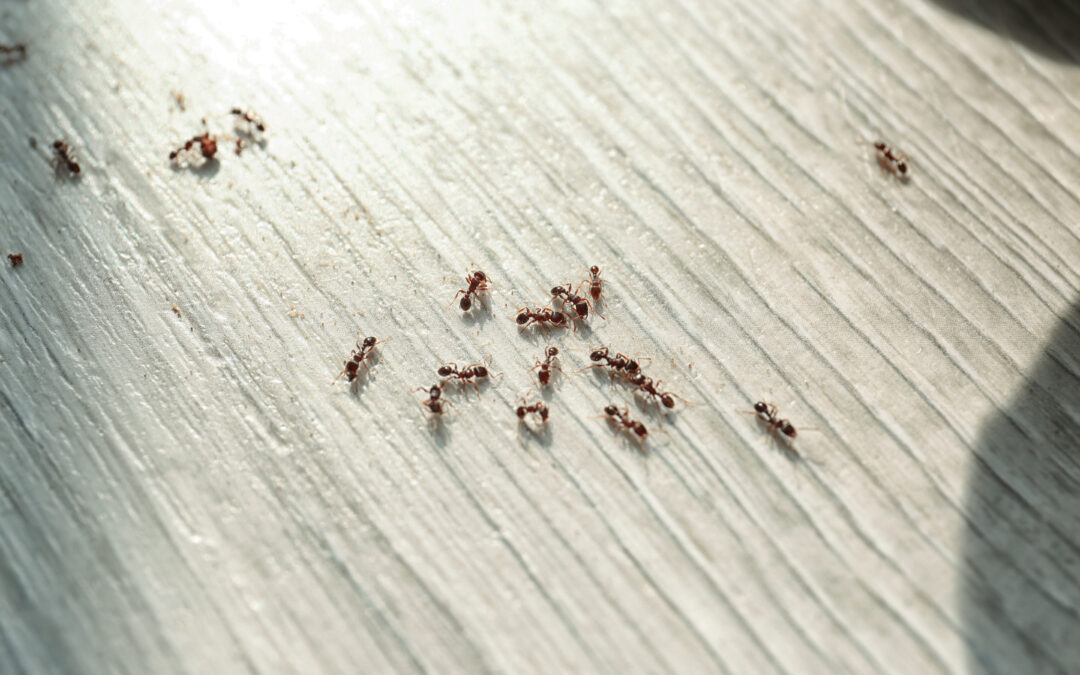
How to Tell if You Need Professional Ant Control
A few ants or a real infestation? Learn the signs you need professional ant control in Auckland, why sprays fail, and how treating the nest stops ants for good.

How Often Should You Clean Carpets in Auckland Homes?
How often should you clean your carpets? Learn the right timing for Auckland homes, when to clean more often, and why professional cleaning beats DIY.
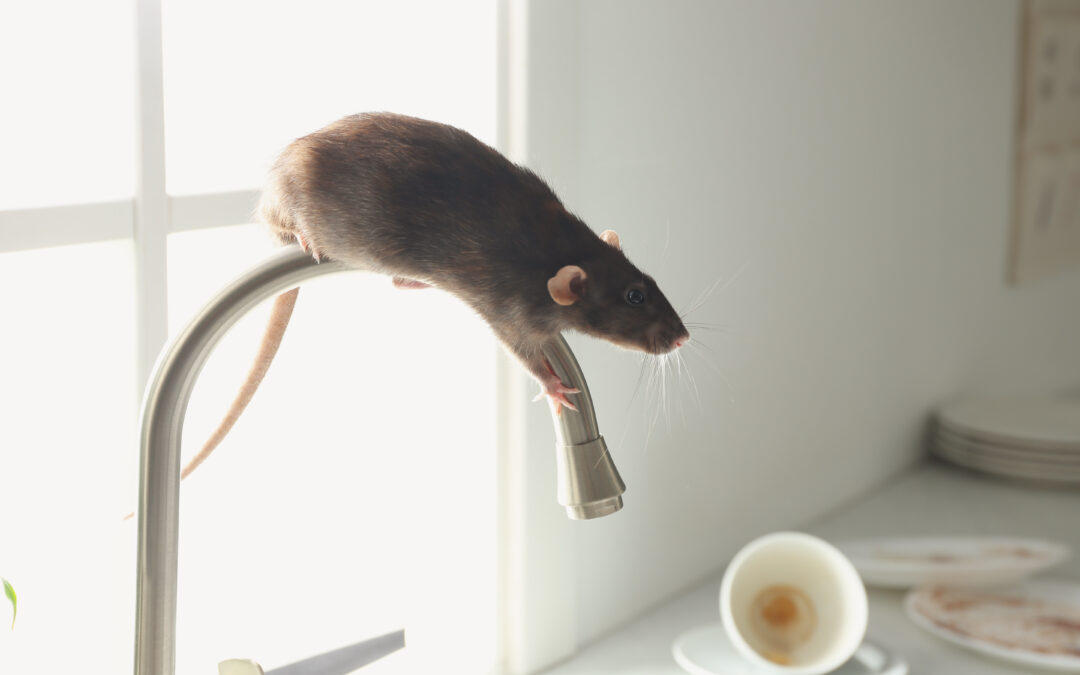
Why Mice and Rats Enter Auckland Homes in Winter
Rats and mice head indoors as Auckland cools down. Learn why they enter homes in winter, the risks they bring, and how rodent control keeps them out.
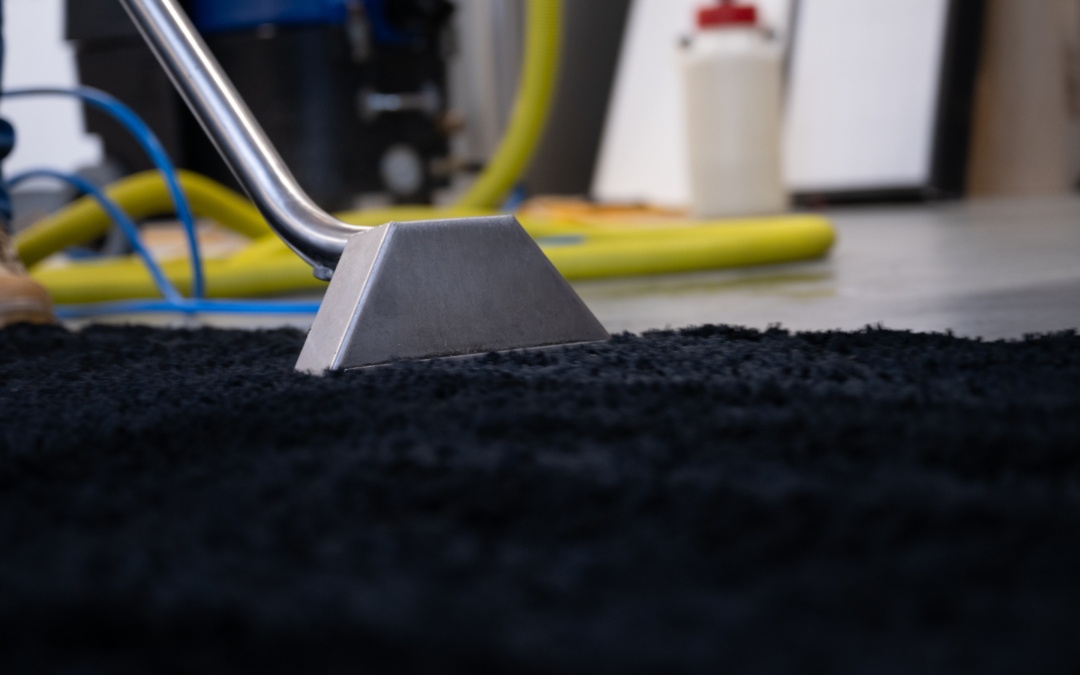
How Much Does Carpet Cleaning Cost in Auckland?
Wondering what carpet cleaning costs in Auckland? Learn what affects the price, why the cheapest quote is not always best, and how to get the best value.

What Auckland Businesses Should Know About Ongoing Pest Management
Ongoing pest management protects your Auckland business from costly outbreaks. Learn how commercial pest control works and why it beats one-off call-outs.
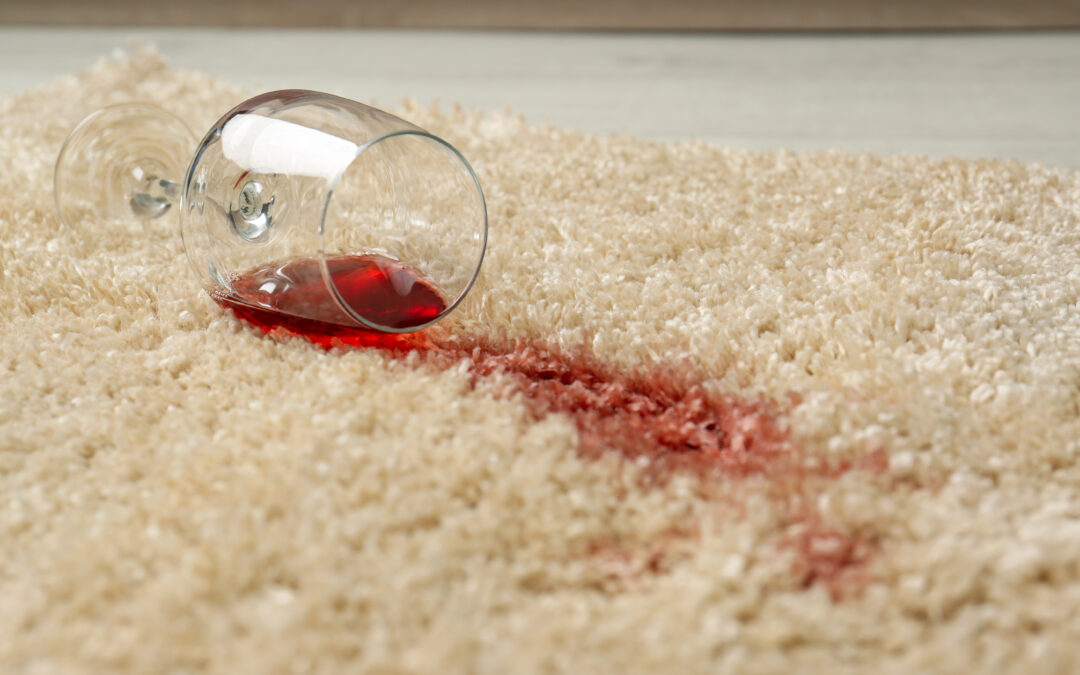
Carpet Stain Removal: What Works for Wine, Coffee, and Pet Stains
Wine, coffee, or pet stains on your carpet? Learn what actually works for carpet stain removal at home, the mistakes to avoid, and when to call a professional.
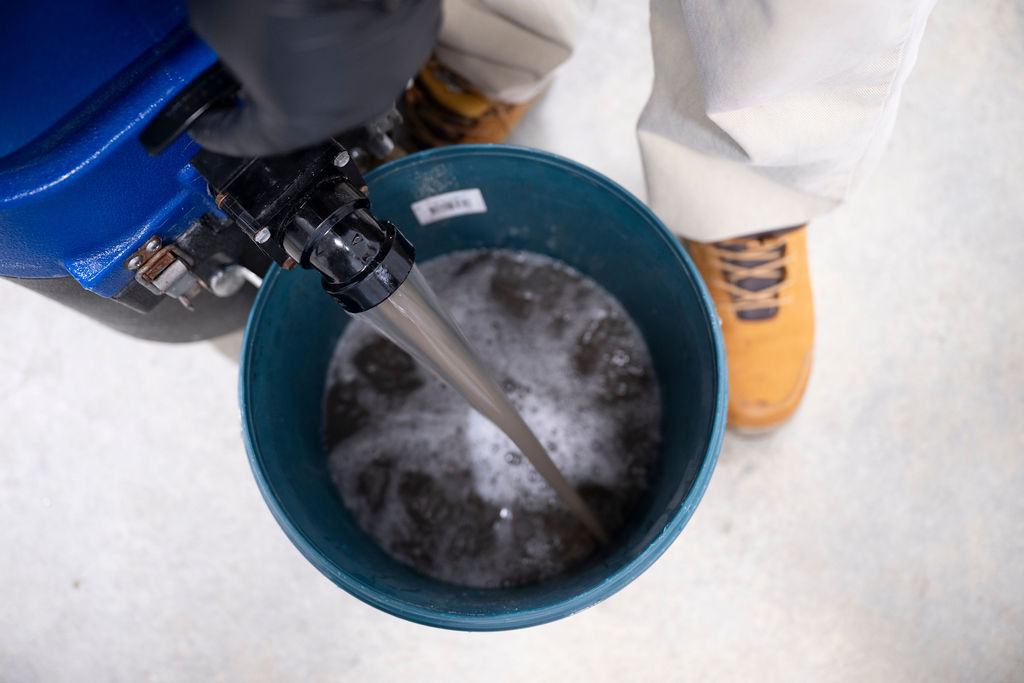
Why Professional Carpet Cleaning Helps Improve Indoor Air Quality
Your carpet traps dust, allergens, and dust mites that affect the air you breathe. Learn how professional carpet cleaning in Auckland helps improve indoor air quality.
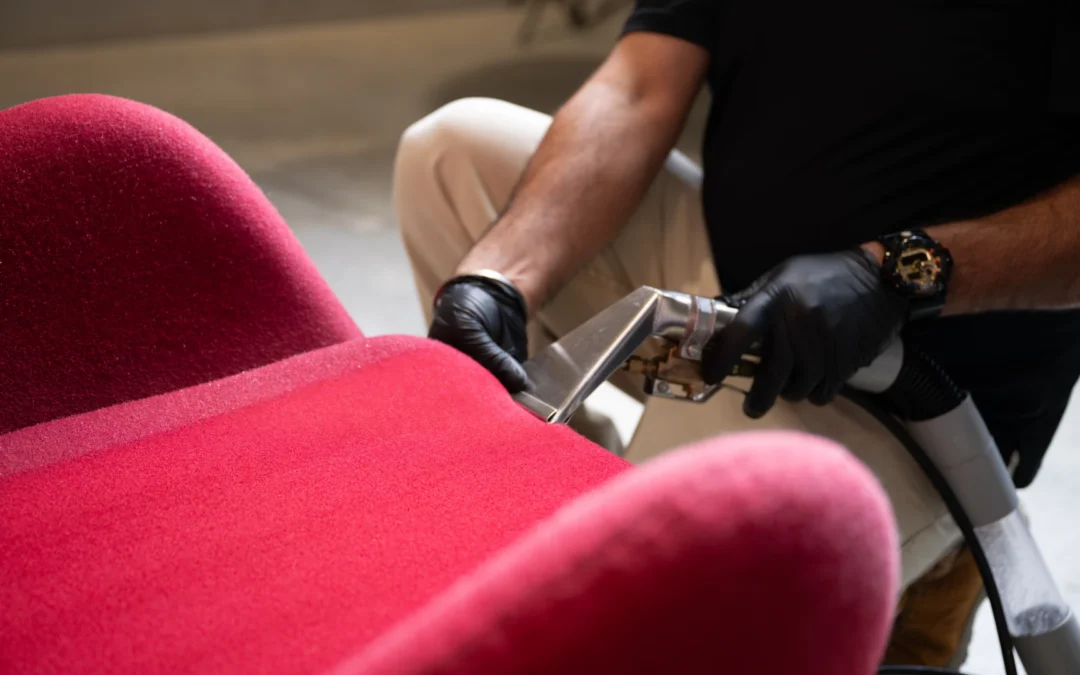
Upholstery Cleaning Tips for Sofas, Chairs, and Fabric Furniture
Keep your sofa and chairs fresh with simple upholstery cleaning tips. Learn how to spot clean fabric, protect delicate materials, and when to call a professional.
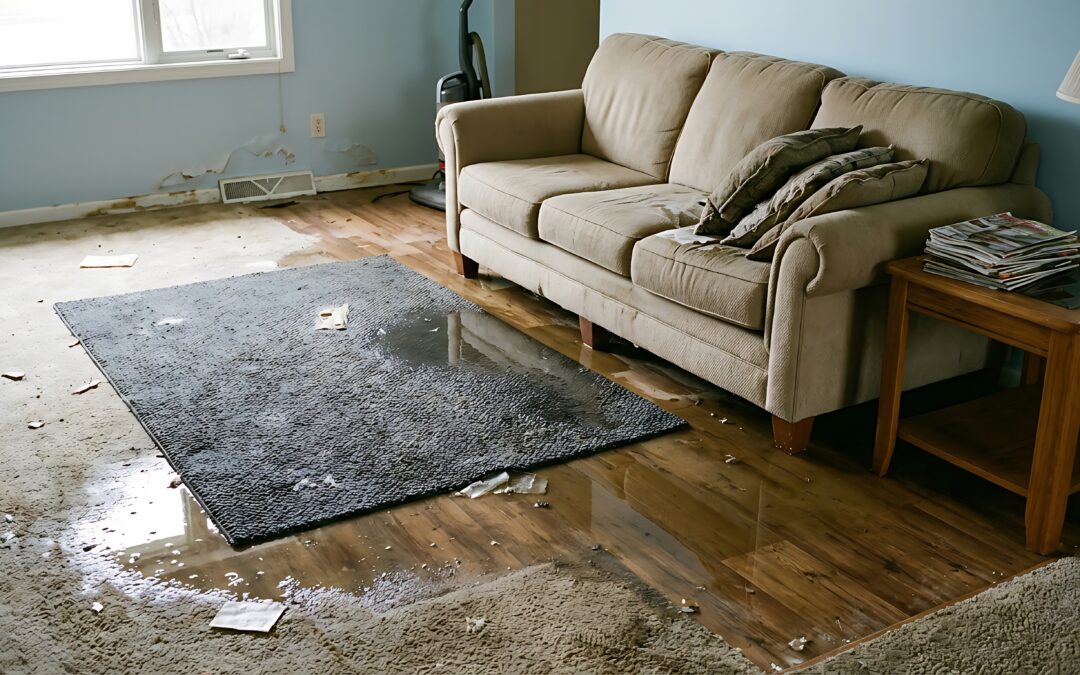
What to Do After Flood Damage to Carpets and Soft Furnishings
Flooded carpets and furniture? Learn the steps to take after flood damage, how to stay safe, and why fast professional flood recovery helps save your home.
Ants are among the most common pests you’ll find in Auckland homes. I’d bet you’re greeted with ants in your home at least a few times a year. However, the good news is that there are things you can do to help manage ant activity this article, we will show you the five most effective and straightforward tips on how to help prevent ants from infesting your home this year.
Take Notice of Scout Ants
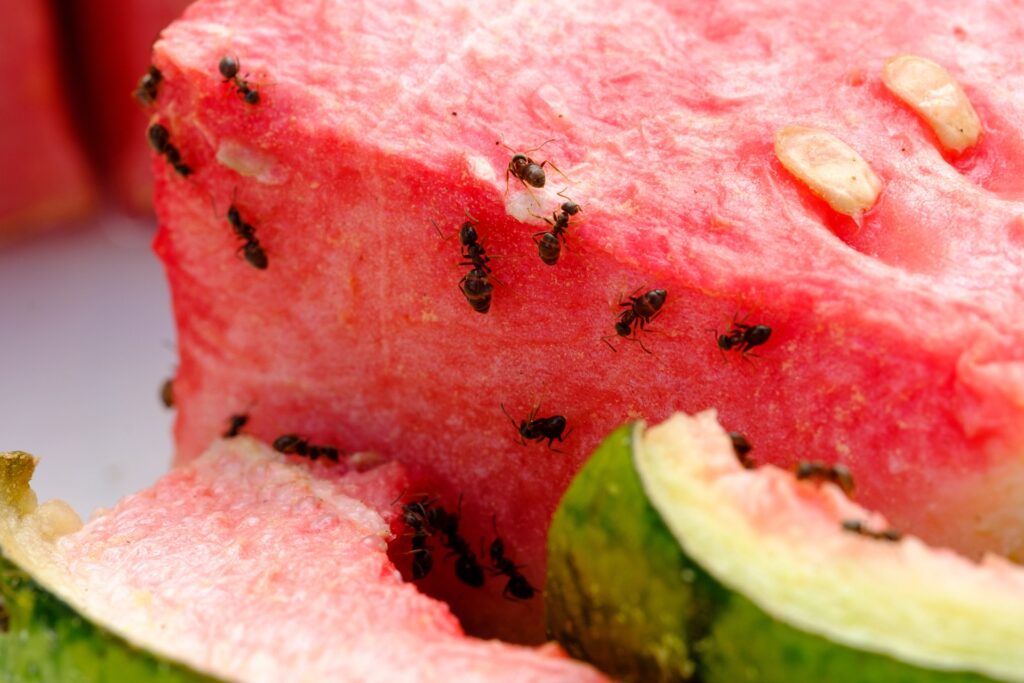
One of the first signs that ants may soon infest your home is seeing a ‘scout’ ant. The scout ant’s job is to be out in the field looking for food sources. You may see the odd scout ant coming in and out of your home, indicating a colony of ants nearby. Scout ants are usually the first ants you will notice, and this is because they’re trying to find the best food source for their colony. They will determine whether your home is a good source of food or if they need to keep looking. Scout ants are incredibly important, and if you see a scout ant in your home, get rid of them before it can relay information to its colony.
Keep Surfaces in and Around Your Home Clean
Ants are one of the most persistent pests in many Auckland homes. They tend to congregate near food or water, meaning they are often found in kitchens or dining areas. The first thing to do is to eliminate any food/water sources.
- Keep surfaces clean and dry.
Ants are attracted to food – this includes sticky substances from spills. Immediately wipe down benches/tables after spilling/preparing/eating food. Make sure to dry the surface after cleaning to ensure no water residue is left behind. Ensure you’re vacuuming and sweep your floors regularly to remove any food that may fall onto the floor.
- Keep bins clean and sealed.
Compost and rubbish bins contain food for ants. Take your rubbish and compost out regularly so it doesn’t build up inside your home. Rubbish should be sealed in bags. Make sure your bins have secure lids and are cleaned regularly.
- Clean up dirty dishes.
Leaving out dirty dishes or leftover food is an instant attractant and can become an ant buffet if not careful. I know that after eating, washing up is the last thing you want to do, but unfortunately, if you’re trying to avoid an ant invasion, it’s something you need to do.
Seal cracks and potential entrances to your home
Ants will typically enter your home through tiny holes in walls, windows, and even between door frames. Search your kitchen and dining areas for places ants could enter. You will never be able to plug all the tiny holes; however, plugging as many as possible may be enough of a deterrent for the scout ants to search for food in other places. Keep in mind that sealants will decay over time, so remember to reapply when needed.
Get an ant treatment
If ants are still finding ways into your home, it’s time to call in the professionals. Licensed pest control companies will apply a commercial-grade ant treatment that is significantly more effective than what you can buy at your local DIY store or supermarket. Contact Ajet Services Services if you have more questions or would like a free quote.

Family Owned and Operated!