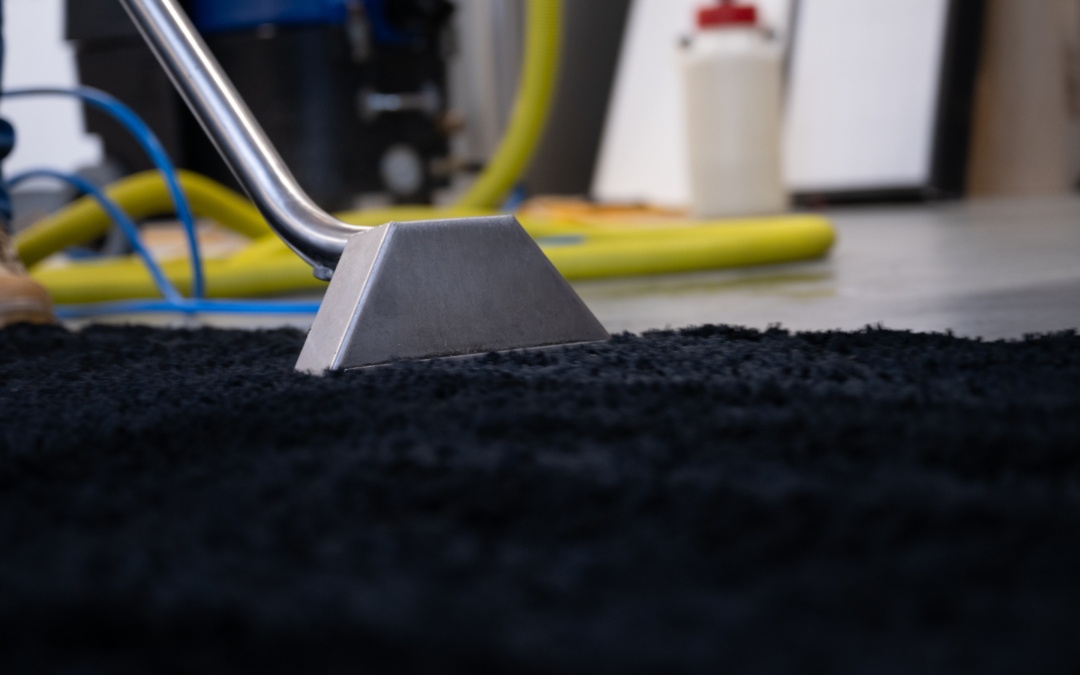
Wondering what carpet cleaning costs in Auckland? Learn what affects the price, why the cheapest quote is not always best, and how to get the best value.
Written by Anita Collins-Preiss
How Often Should You Professionally Clean Your Carpets?
How often should you professionally clean your carpets? The answer depends on your household, property type, and how you use your space. Here is what Auckland homeowners, landlords, and business owners need to know.
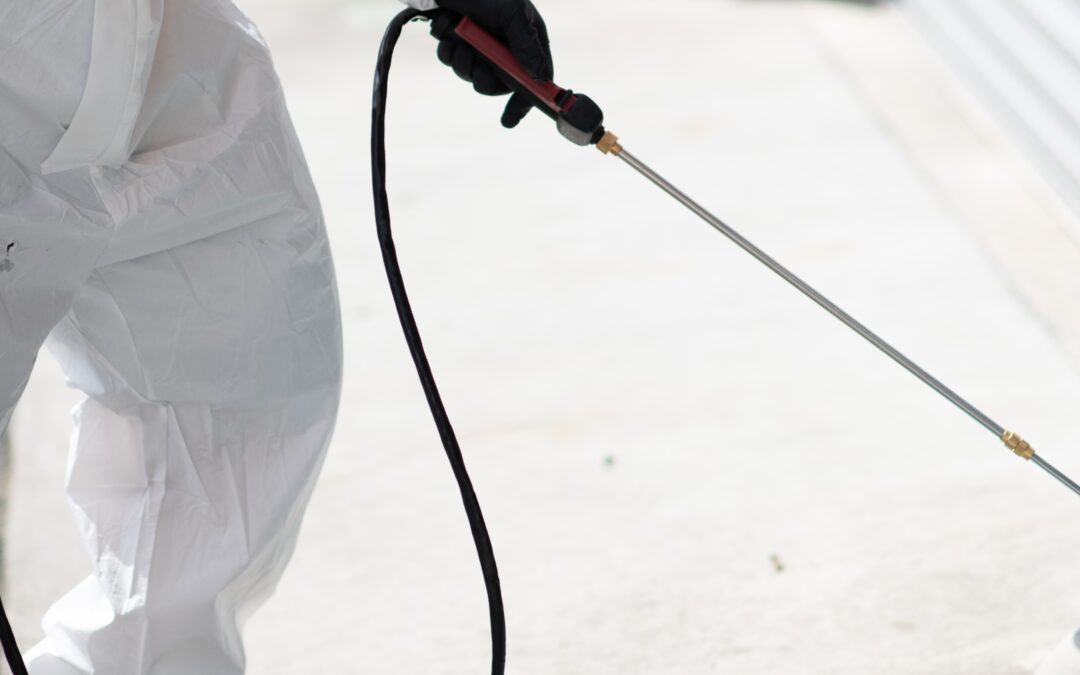
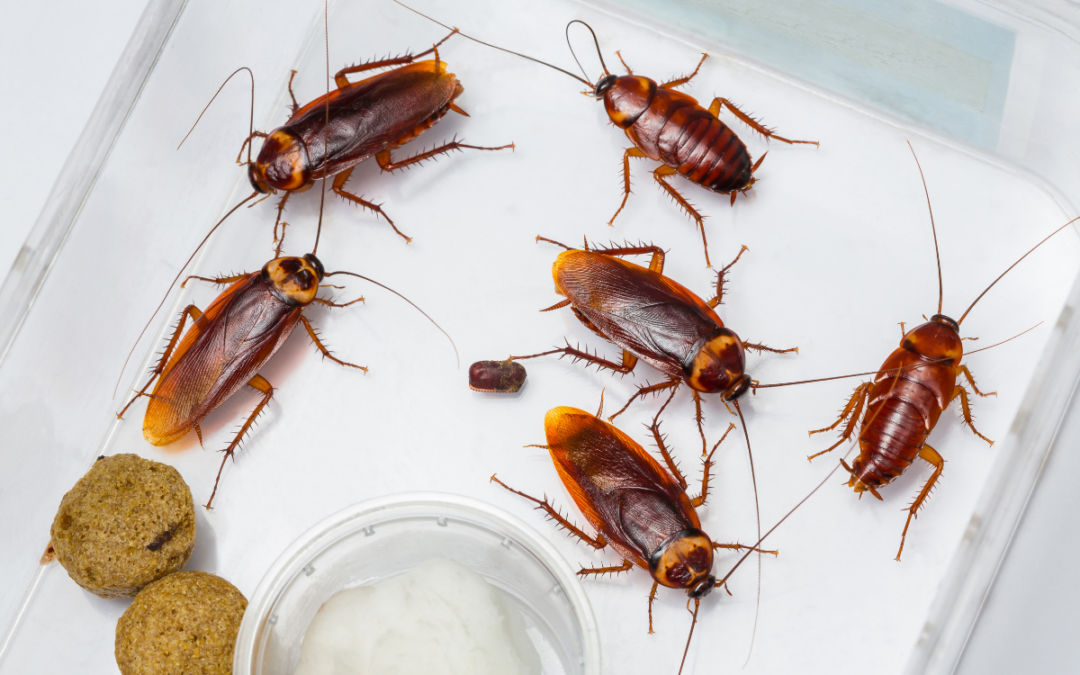
Cockroach Control in Auckland: What Actually Works
Cockroaches surviving your DIY sprays? Discover why they're so hard to remove, the health risks involved, and how professional treatment works
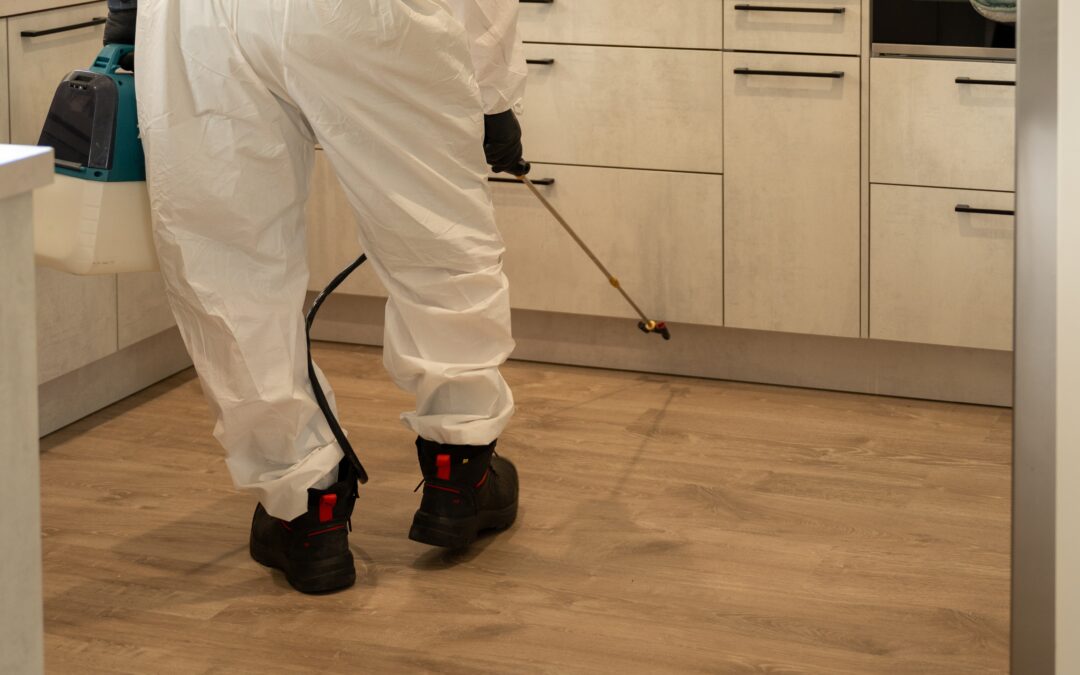
Spider Season in Auckland: When to Call a Professional
Not sure if your spider problem needs a professional? Discover which Auckland spiders matter, why they keep appearing, and how treatment works
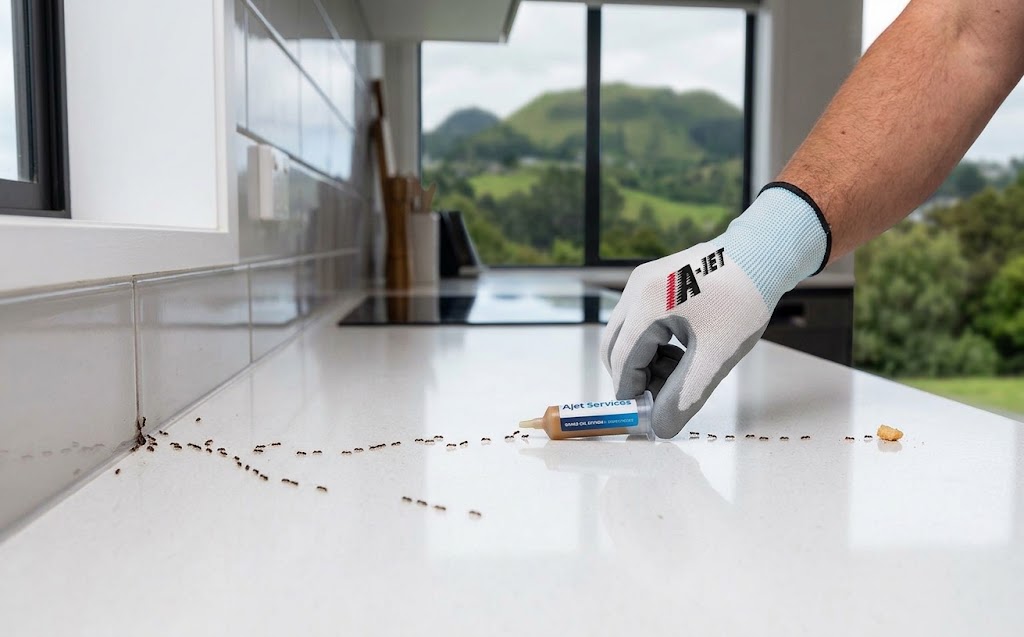
Ant Pest Control in Auckland: Why Ants Keep Coming Back
Ants returning in your Auckland home usually means the nest survived. Discover why sprays fail, how colonies rebuild, and when to call a professional
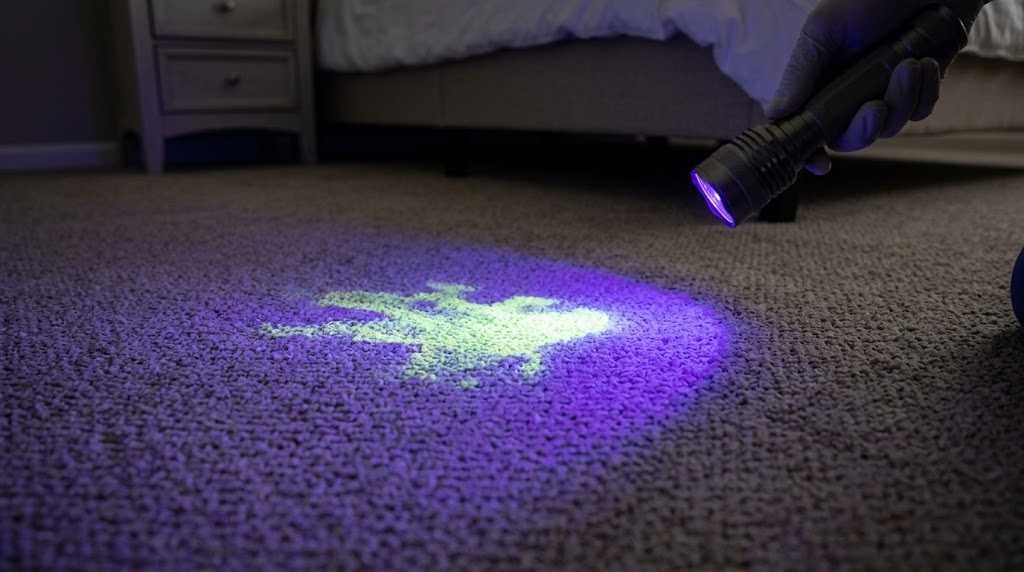
How UV Light Inspection Revealed Hidden Pet Urine Damage and Saved Thousands in Unnecessary Repairs
A professional UV light inspection uncovered hidden pet urine contamination across multiple rooms. The homeowner avoided costly property-wide treatment by targeting remediation to affected areas only, saving thousands in unnecessary costs.
The Real Reason Your Carpets Look Dirty Again After Cleaning
If your carpets keep looking dirty a week after cleaning, wicking or detergent residue is almost always to blame. Here is what is causing it and how a proper professional clean fixes it for good.
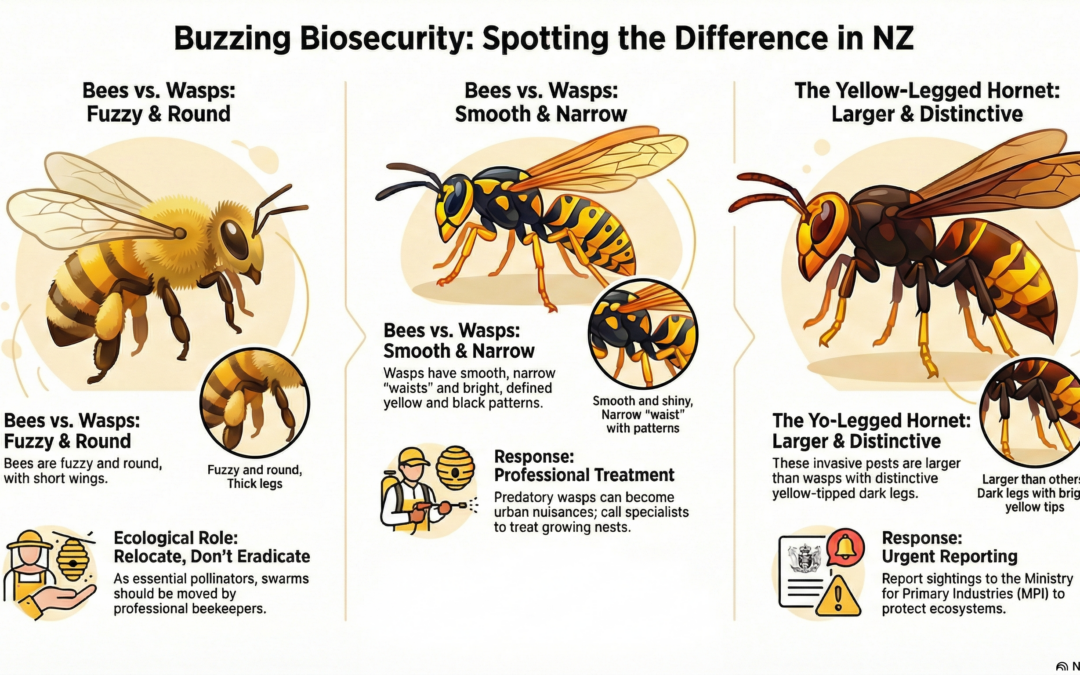
Bees vs Wasps vs Hornets – Know the Difference
Many Aucklanders and New Zealanders see a buzzing insect and assume it’s just a “bee” or a “wasp,” but bees, wasps and hornets are very different insects with different roles in our environment. Knowing the…
How to Prevent Common Summer Pests: Auckland
As summer approaches in Auckland, it brings warmer weather and longer days – perfect for social gatherings, barbecues, and enjoying the outdoors. However, summer also brings an increase in pest activity. Auckland’s warm and humid…
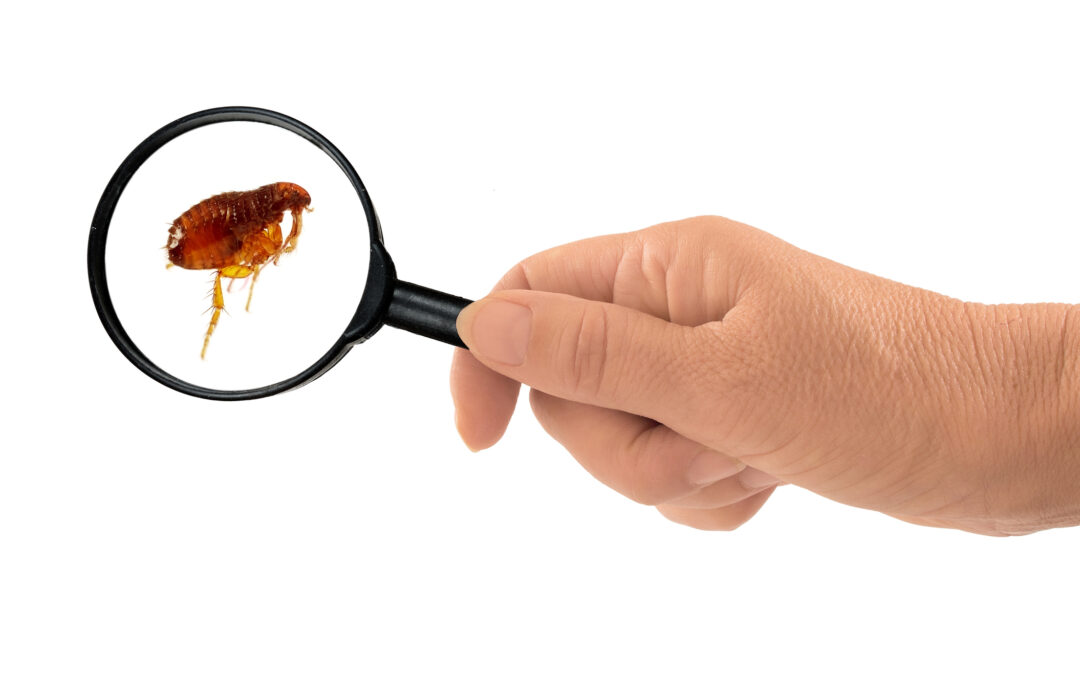
12 Interesting Facts About Fleas
Fleas are more than just a nuisance; they are fascinating creatures with unique characteristics. Understanding these tiny pests can help you manage and prevent infestations in your home or business in Auckland. Here are 10…
On the list of pests you don’t want in your home, we’d have to say that fleas jump comfortably near the top. These tiny, parasitic critters breed rapidly and can infest your home or business, drawing blood from you, your pets, or members of your household and workforce.
They’re disliked for good reason – not only because of the itchy bites they leave or their lightning speed reproduction rates, but also because they are be known to carry certain diseases.
As such, it’s important to deal with the flea problem as early as possible to keep the situation from getting out of hand. If you have spotted fleas on your pets or in your home, it’s helpful to know which type as we have at least four main types here in New Zealand. If in doubt, get in touch with our professional flea treatment team.
Let’s take a look at some of the different types of fleas in New Zealand and how to distinguish them. Along the way, we’ll discuss a bit about the life cycles and habits of fleas, too.
Note: If you’ve found bites on your body these may not necessarily be flea bites. Check out our guide on bed bug bites vs flea bites to help if this is the case.
Dog Flea (Ctenocephalides canis)
When you think of fleas, you probably think of dogs – the aptly named dog flea is the most common species that affects man’s best friend. Adult dog fleas are brown to black in color, while their larva is off-white. Adults measure about around 3mm in length and (like all fleas) are laterally flattened, meaning they’re incredibly thin when viewed from the front or top.

All types of fleas have six legs, and it’s their hind legs that enable them to jump an astonishing 50 times their height. While fleas by definition do not have wings, it may appear as if they do when you see them flying through the air thanks to their powerful legs.
Due to their tiny size, your best chance to spot them is on a contrasting surface to notice their dark color. Unfortunately, this contrasting surface tends to be your dog’s fur. These fleas will burrow themselves there and if left alone will lay eggs on your dog’s body. These are small, white, and very difficult to see.
As spotting them is difficult, the easiest way to know if your dog is dealing with fleas is to observe their behavior – if your furry friend is frequently scratching, whining or seems agitated, be sure to look through their coat. Consider using a magnifying glass if you have one available.
Cat Flea (Ctenocephalides felis)
The cat flea looks like the dog flea, being brown to black in color. They are also similar in size to dog fleas at around 1-3 millimeters. To make things even more confusing, while the cat flea mostly focuses on cats, it can also be found on dogs.

Cat fleas have both anterior and posterior “combs” on their bodies – these are dark, protruding bristles. Dog fleas have them too, but only on their heads (anterior). This is one of the clearest ways to distinguish the two types.
Like all fleas, cat fleas go through the following life cycle: egg, larva, pupa, and adult. Even if eggs are laid on your cat’s body, many will fall off (by design) and incubate on carpets or furniture. When the temperature is right, they’ll hatch into larvae before transitioning to pupae and finally adults.
Cat fleas – and all other fleas on this list – become more active in the spring and summertime. In fact, pupae can remain dormant for up to 12 months! In other words, you could have flea babies relaxing inside your carpet, ready to pounce on you or your pet when the time is right.
If you suspect your dog or cat has fleas, use a flea-comb, or wet their fur to make it easier to spot these parasites.
Rat Flea (Xenopsylla cheopis)
Rat fleas are most commonly found feeding on the Norway (brown) rat, one of the most common types of rats here in New Zealand.

When it comes to appearance, the primary difference between the dog/cat flea and the rat flea is the lack of “combs” on their heads. As adults, they’re reddish-brown in color.
Another distinguishing feature of the rat flea is that it can jump higher than other types of fleas, up to 30cm (ruler length) in the air.
Human Flea (Pulex irritans)
Despite their name, human fleas don’t only focus on humans for their nutritional needs – they focus on hairy animals, too. These fleas are much less common in New Zealand compared to dog and cat fleas.

While cat, dog, and rat fleas can attach themselves to humans, they have a tough time surviving due to our relatively low amount of body hair. Human fleas, on the other hand, are adapted to survive on or beneath human skin.
Like the rat flea, human fleas lack combs on their heads, distinguishing them from cat and dog fleas. These critters also have more prominent eyespots than their commoner brethren and are reddish-brown in color as adults. As larvae, they tend to be yellowish in colour.
Any insect that bites and feeds off our pets and family members is not the sort of critter you want around. Furthermore, as fleas can cause blemishes and rashes, transmit illnesses or other parasites, it’s important to take their removal and prevention seriously.
Even if you successfully rid your pet of a flea infestation using vert approved treatments, the only surefire way to rid your home of the problem is to hire a team of professionals who can track down the source and carry out a professional treatment that stops fleas from breeding in your home while killing live activity.
With over 30 years of experience and a deep knowledge of the methods our NZ fleas use to wreak havoc, we can help you put an end to their persistence.
If you need help identifying or solving a flea problem at your home or place of work give us a call at 0800 862 538, or send us a message and we’ll be happy to rid you of this pest.

Family Owned and Operated!