
Not sure if you have bed bugs? Learn the clear warning signs, why they spread so fast, and what to do next to clear them with professional treatment in Auckland.
Written by fourstripes
How to Tell if You Need Professional Ant Control
A few ants or a real infestation? Learn the signs you need professional ant control in Auckland, why sprays fail, and how treating the nest stops ants for good.

How Often Should You Clean Carpets in Auckland Homes?
How often should you clean your carpets? Learn the right timing for Auckland homes, when to clean more often, and why professional cleaning beats DIY.
Why Mice and Rats Enter Auckland Homes in Winter
Rats and mice head indoors as Auckland cools down. Learn why they enter homes in winter, the risks they bring, and how rodent control keeps them out.
How Much Does Carpet Cleaning Cost in Auckland?
Wondering what carpet cleaning costs in Auckland? Learn what affects the price, why the cheapest quote is not always best, and how to get the best value.

What Auckland Businesses Should Know About Ongoing Pest Management
Ongoing pest management protects your Auckland business from costly outbreaks. Learn how commercial pest control works and why it beats one-off call-outs.
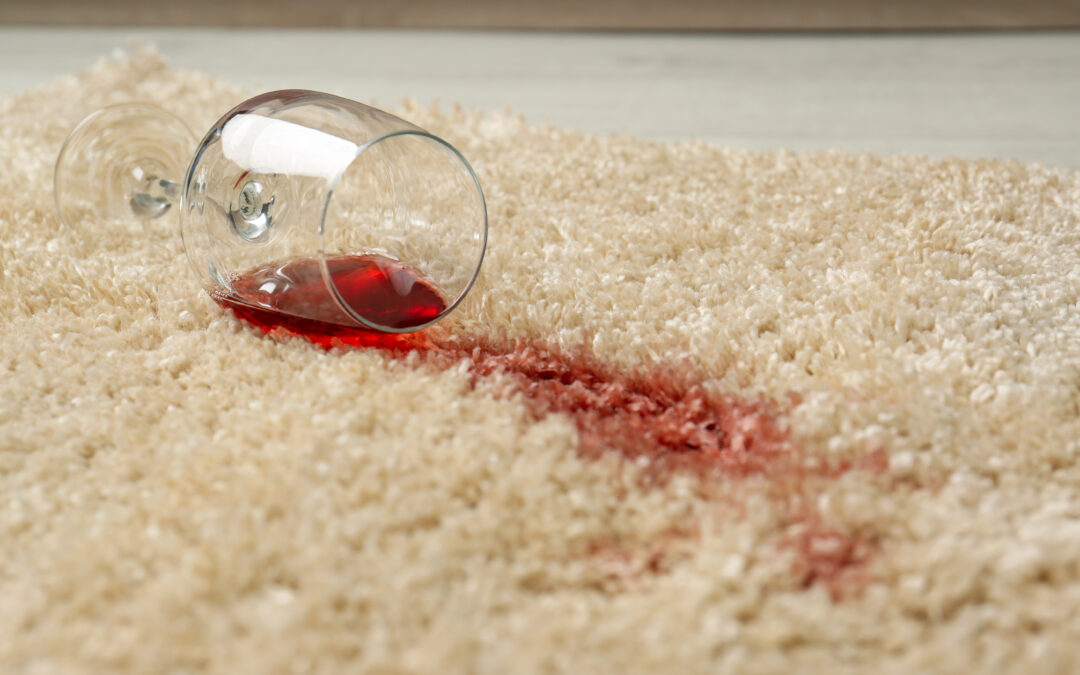
Carpet Stain Removal: What Works for Wine, Coffee, and Pet Stains
Wine, coffee, or pet stains on your carpet? Learn what actually works for carpet stain removal at home, the mistakes to avoid, and when to call a professional.
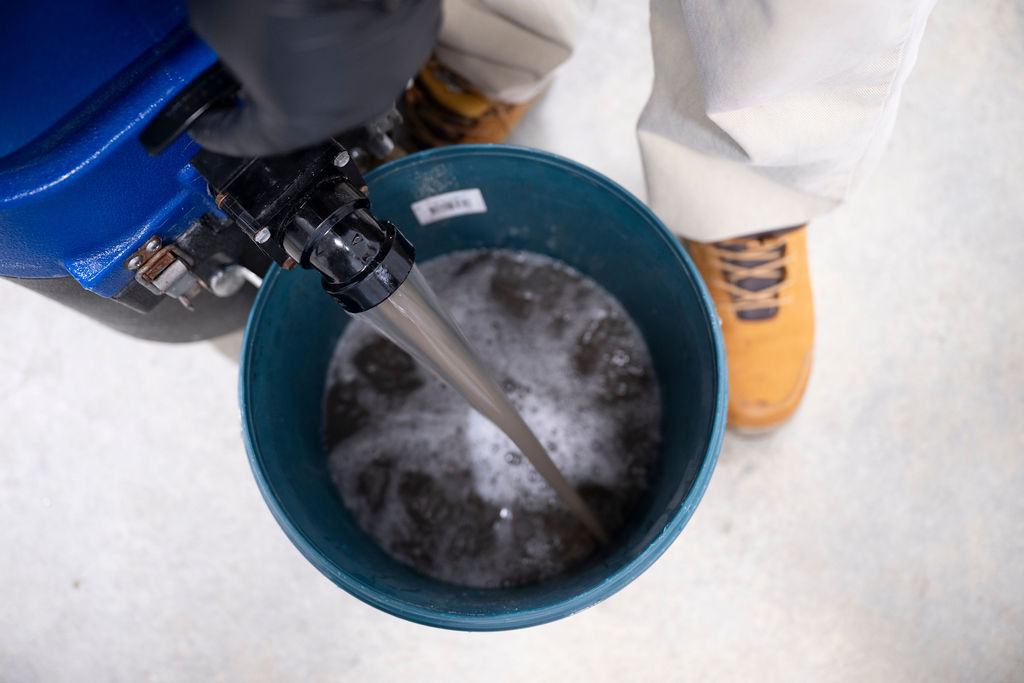
Why Professional Carpet Cleaning Helps Improve Indoor Air Quality
Your carpet traps dust, allergens, and dust mites that affect the air you breathe. Learn how professional carpet cleaning in Auckland helps improve indoor air quality.
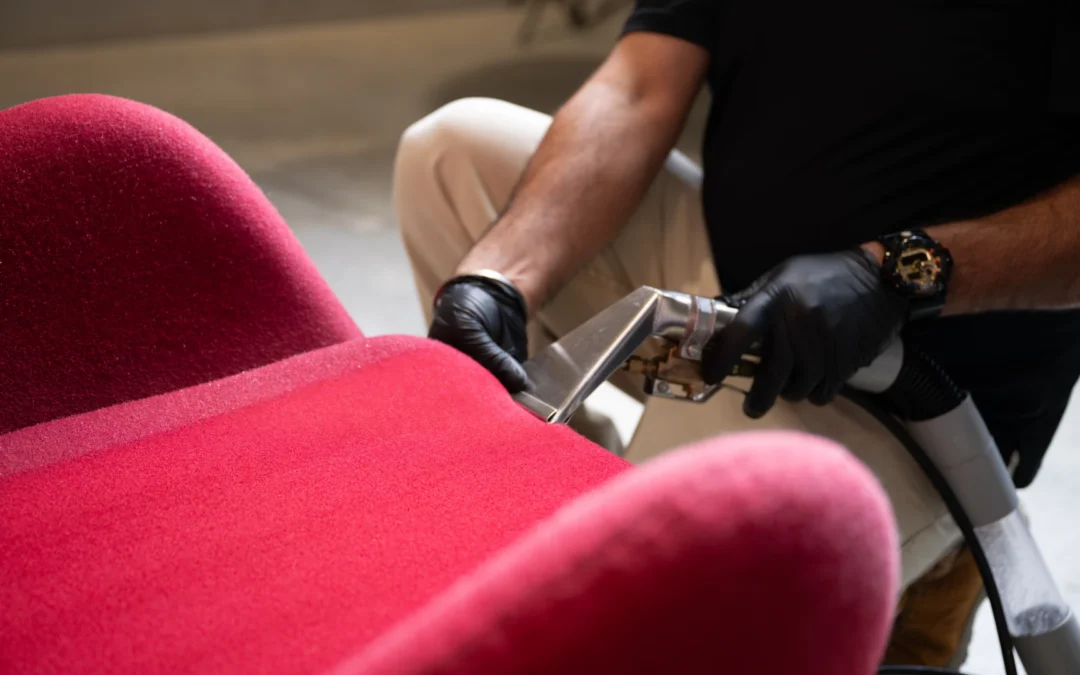
Upholstery Cleaning Tips for Sofas, Chairs, and Fabric Furniture
Keep your sofa and chairs fresh with simple upholstery cleaning tips. Learn how to spot clean fabric, protect delicate materials, and when to call a professional.
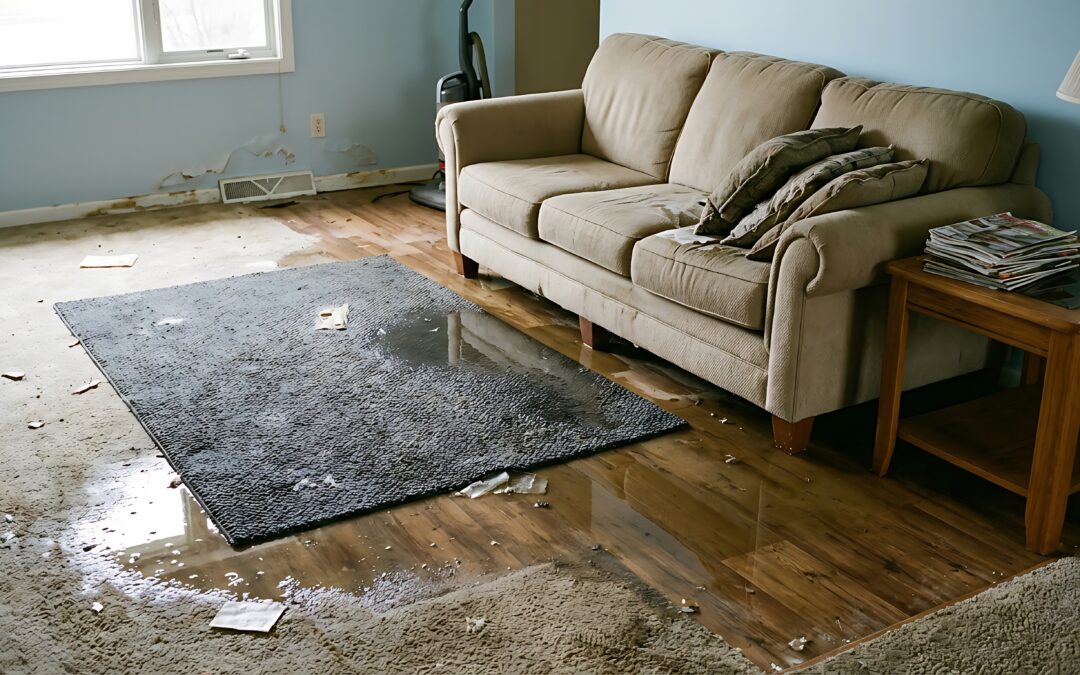
What to Do After Flood Damage to Carpets and Soft Furnishings
Flooded carpets and furniture? Learn the steps to take after flood damage, how to stay safe, and why fast professional flood recovery helps save your home.
When it comes to effective pest management, knowing what you are dealing with is half the battle. If you have waking up with small red bites over your body there are normally two culprits to consider: bed bugs or fleas. Although these bites are similar in look and feel, there are a few defining qualities that make it easier to discover their source. It is worth determining which it is as the treatment process and cost are completely different.
What do bed bugs look like?
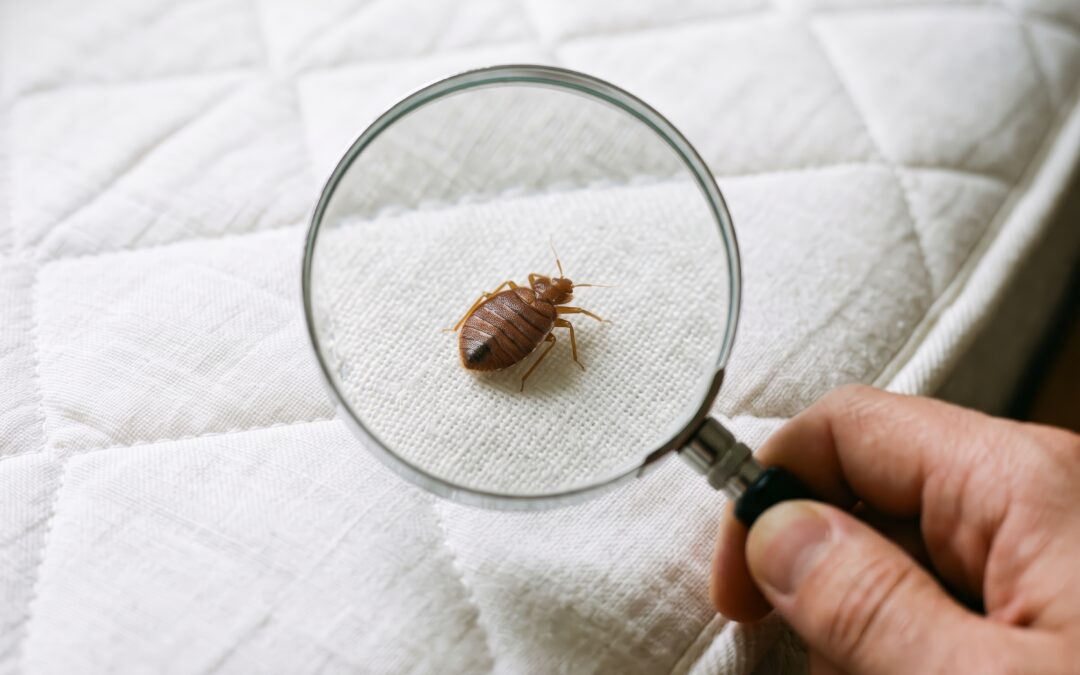
It is tricky to identify these guys because they are so jolly small so to help out we made a dedicated post on what bed bugs look like. An adult bed bug is roughly half a centimeter in size, and their children measure in at a whopping 2 to 5 millimeters. Keep those eyes peeled for little flat, oval-shaped, rusty coloured apple seeds with 6 legs, 2 antennae and no wings, and should you find them, grab your magnifying glass because the baby bugs are still translucent and the tiny eggs are a cream colour, making them even harder to spot.
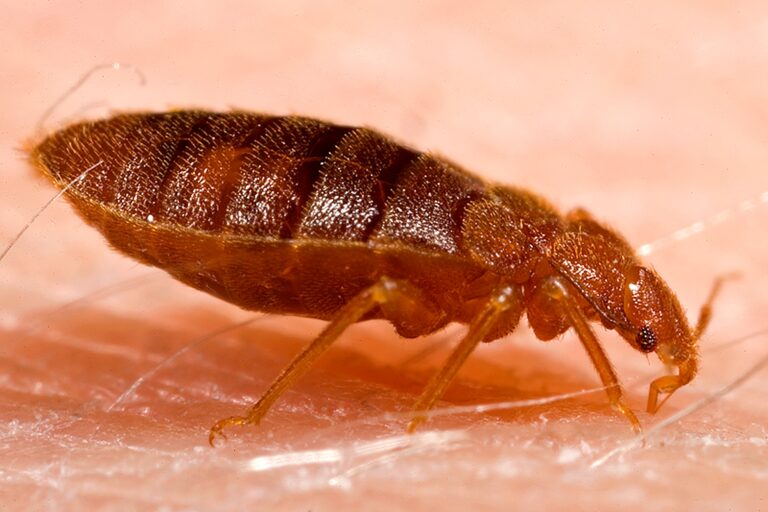
Image: Wikimedia Commons

What do fleas look like?
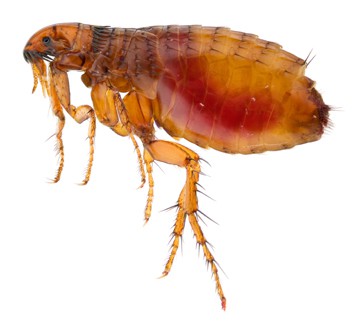
These are even harder to inspect than bed bugs as they’re roughly the size of a baby bed bug, a whole 3mm. They are, however, great bed bug impersonators. They’re the same rusty colour, they’re also flat, and they don’t rely on wings to travel.
They give themselves away in that they just can’t help jumping, they love it, it’s how they get around, and their back legs are designed for it, unlike bed bugs who merely crawl to their desired destinations. So should you get close enough to a flea (before it jumps away), you’ll notice their very long back legs which afford them the ability to jump an impressive 30cm, making it one of the best jumpers out there. Read out full article on the different types of fleas you find in New Zealand for more info.
Where are bed bugs found?
Bed bugs are the undisputed hide and seek champions of the world. Their tiny bodies are perfectly suited to hard-to-find hiding spaces. Furthermore, they’re nocturnal. They love to hide under bed frames, behind headboards, in electrical outlets, in springs, on the corners of mattresses, behind wall paper, on the back of paintings and frames and in furniture crevices. These nasty pests are also incredibly committed to hiding. They’ll hide for up to 4 months after gorging themselves on your blood. If you’ve found bed bugs in these locations see how to get rid of them.
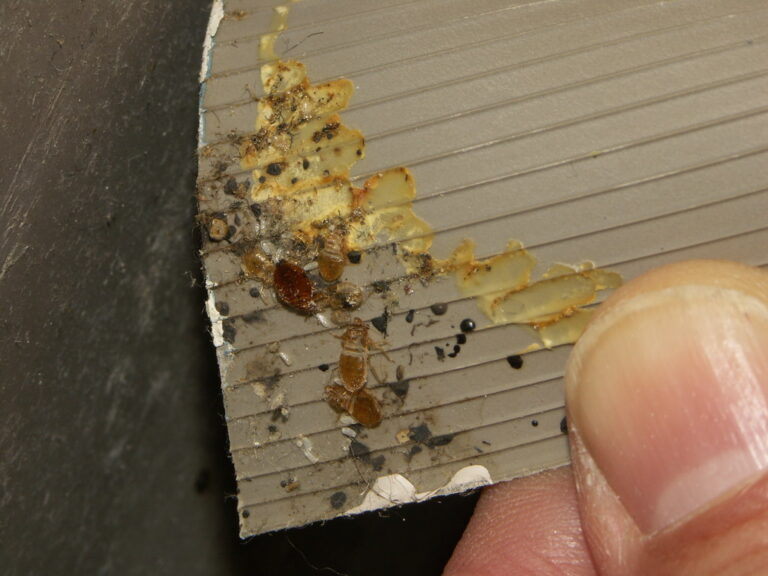
Image: Louento.pix on Flickr
Where are fleas found?
After hatching, the flea’s only intent is to protect itself, and carpet fibres, mats and floors are the perfect places to do so. As they get older, fleas, like most humans, begin to love pets, they just have an unorthodox way of showing it; they suck their blood and take over their beds. The juiciest parts of our beloved fur children are their necks, backs and underside areas, which is where fleas take up residence in order to take full advantage of the buffet. Apart from that, they also quite enjoy the great outdoors, taking a liking to places that offer both shade and humidity, like long grass, shrubs trees and leaves.

What do bed bug bites look like?
Considering where bed bugs live, their bites tend to appear mostly from the waistline up; you’ll generally find bites on your hands, shoulders and neck, and occasionally on your legs. Bed bug bites form in clusters or lines, with multiple bites appearing in one area. They become red, swollen and itchy and have a defining dark spot in the middle of each bite.
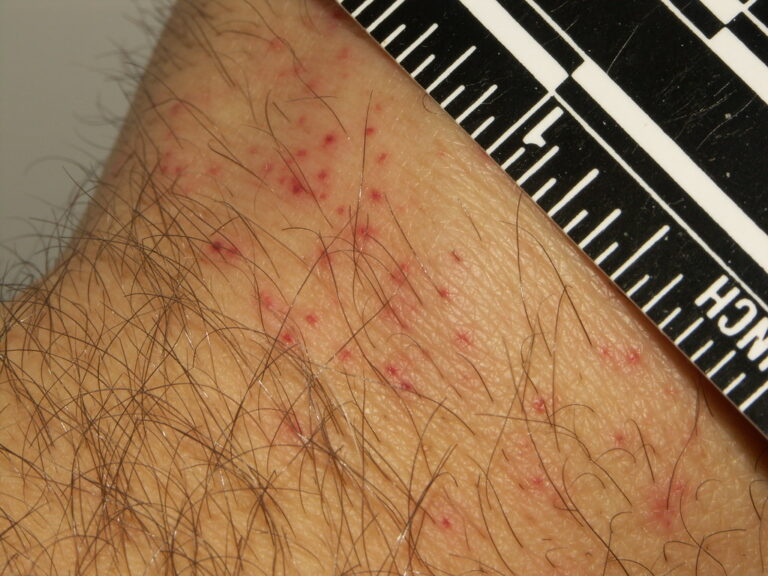
Image: louento.pix on Flickr
What do flea bites look like?
Flea bites tend to appear mostly from the waistline down, especially on your ankles, given that they prefer the safety of the carpet in your home, shrubs in your garden or the fur on your pets. Flea bites are also raised, red and itchy, but their bites are more spread out (remember, they love jumping) and, if infected, can form a white pustule in the middle of the bite.
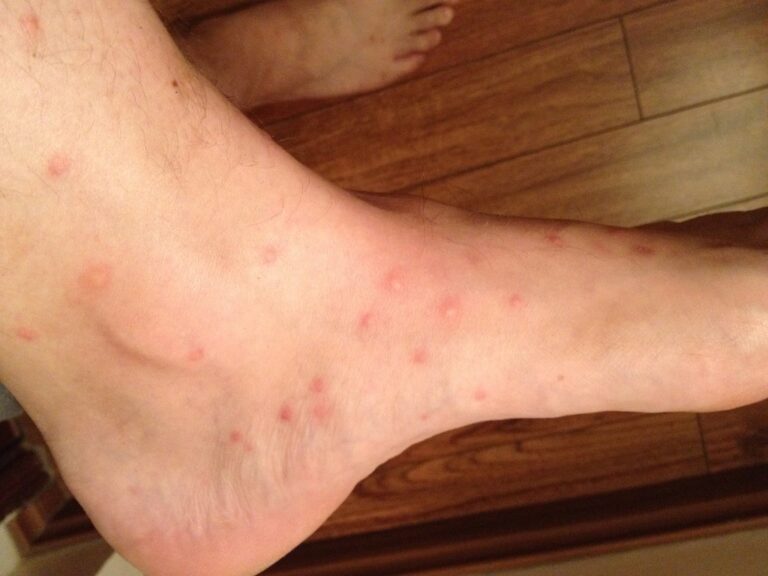
Image: Michael Voelker on Flickr
How do you get rid of fleas?
Flea extermination is more straightforward, and thus approximately half the cost of bed bug extermination. Residual product (product that is absorbed by the pests when walking over it) is applied to carpets and floors where it actively works for several weeks, ensuring fleas hatching over the next few weeks will be dealt with accordingly.
In order to ensure the residual product functions optimally, do not wash or vacuum floors for at least 10 days after treatment. Powder treatment is then applied outside and underneath your house to prevent camping fleas from heading inside. Simple, effective, and much easier on your wallet, so let’s hope those bites belong to fleas.
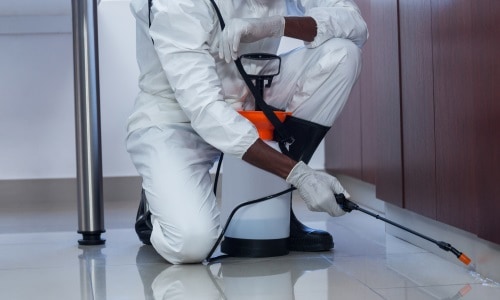
Although similar in so many ways, the aforementioned differences between fleas and bed bugs are clear enough for you to identify which critter is squatting in your home. However, if you’re still unsure, or are extra cautious, most bed bug treatment or flea removal specialist will offer an inspection service where they’ll accurately diagnose the problem, equipping them with the best knowledge to inform their treatment.

Family Owned and Operated!