
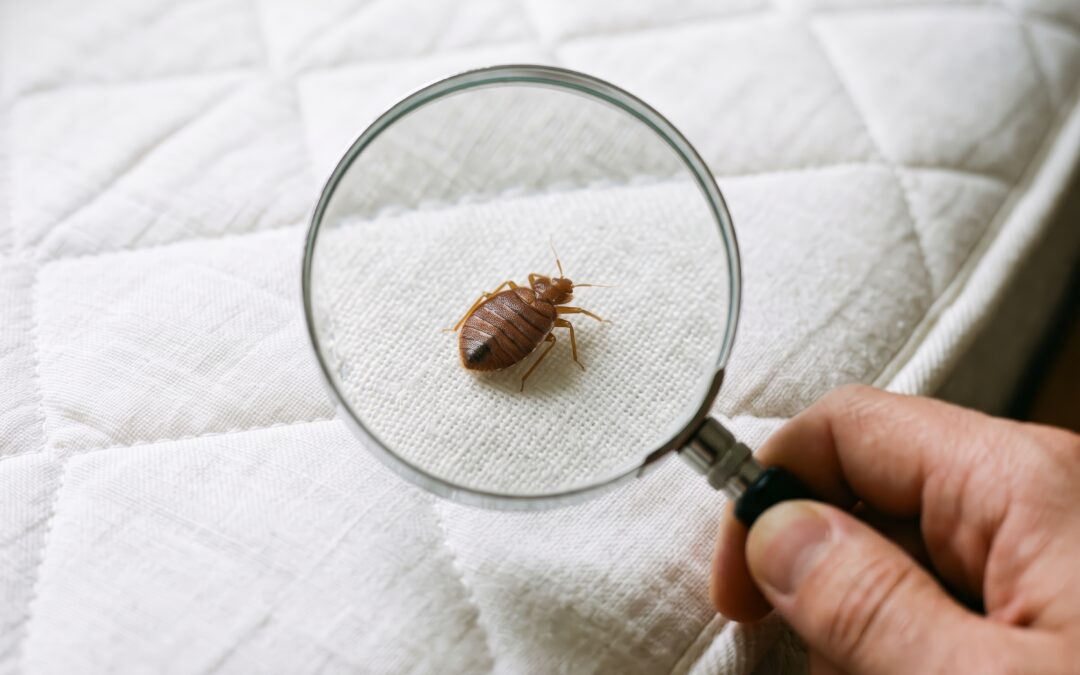
Not sure if you have bed bugs? Learn the clear warning signs, why they spread so fast, and what to do next to clear them with professional treatment in Auckland.
Written by Anita Collins-Preiss
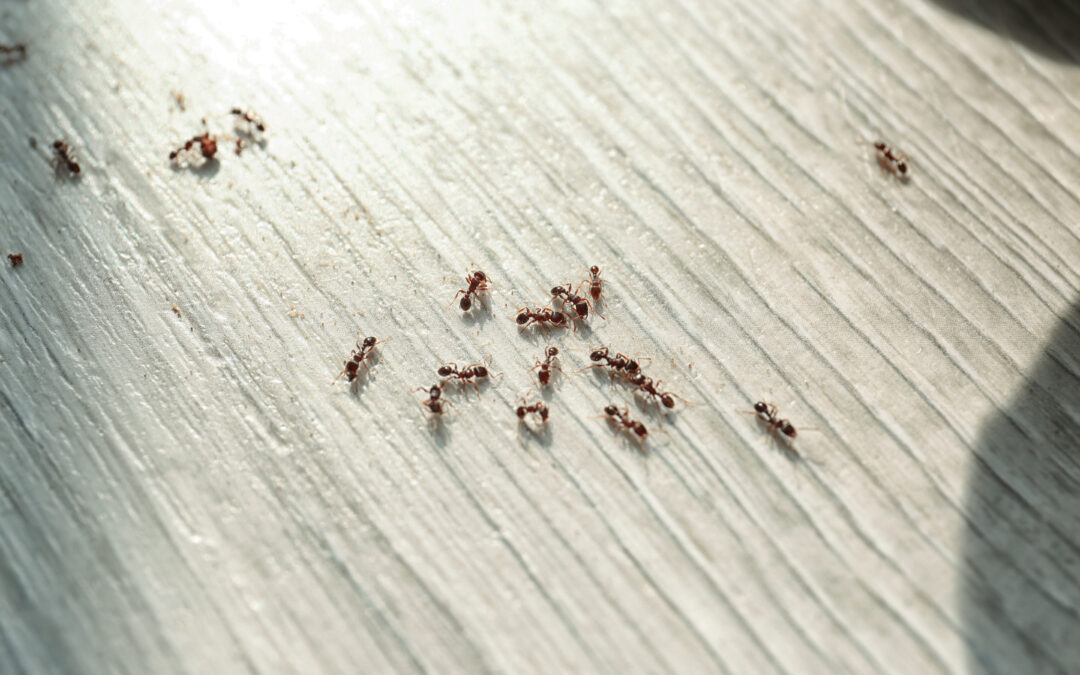
How to Tell if You Need Professional Ant Control
A few ants or a real infestation? Learn the signs you need professional ant control in Auckland, why sprays fail, and how treating the nest stops ants for good.

How Often Should You Clean Carpets in Auckland Homes?
How often should you clean your carpets? Learn the right timing for Auckland homes, when to clean more often, and why professional cleaning beats DIY.
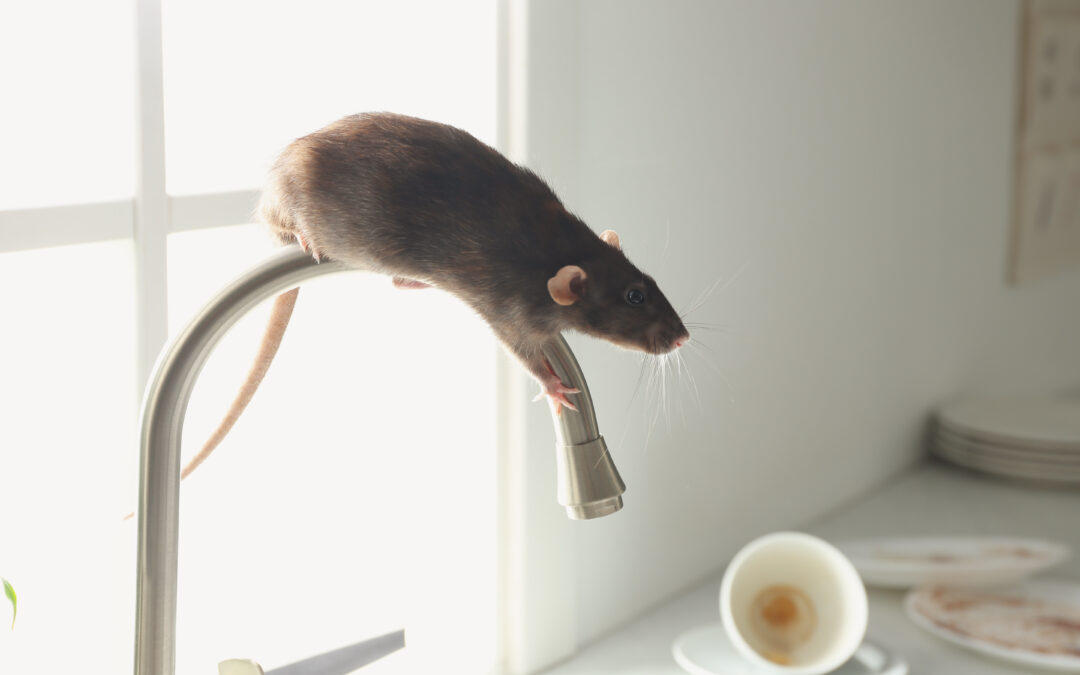
Why Mice and Rats Enter Auckland Homes in Winter
Rats and mice head indoors as Auckland cools down. Learn why they enter homes in winter, the risks they bring, and how rodent control keeps them out.
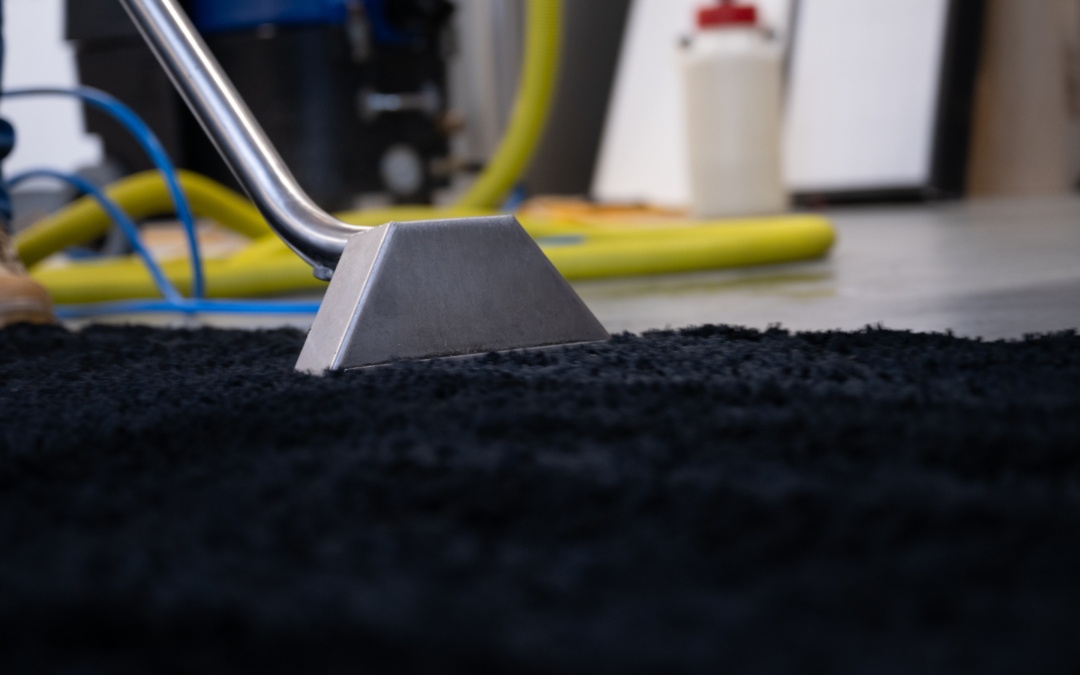
How Much Does Carpet Cleaning Cost in Auckland?
Wondering what carpet cleaning costs in Auckland? Learn what affects the price, why the cheapest quote is not always best, and how to get the best value.

What Auckland Businesses Should Know About Ongoing Pest Management
Ongoing pest management protects your Auckland business from costly outbreaks. Learn how commercial pest control works and why it beats one-off call-outs.
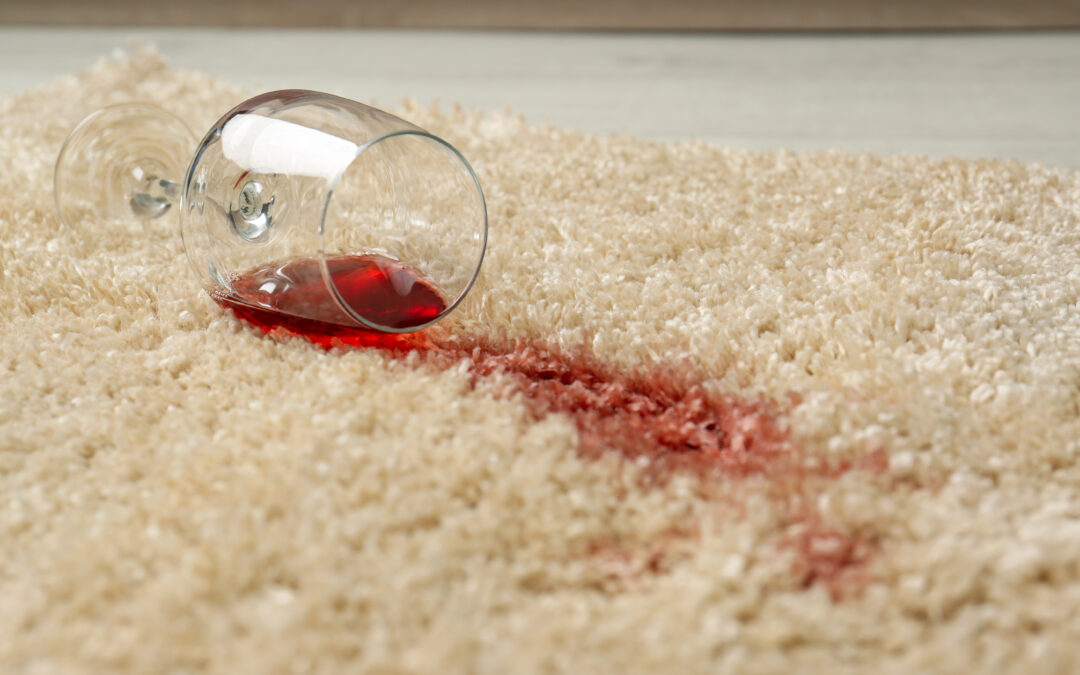
Carpet Stain Removal: What Works for Wine, Coffee, and Pet Stains
Wine, coffee, or pet stains on your carpet? Learn what actually works for carpet stain removal at home, the mistakes to avoid, and when to call a professional.
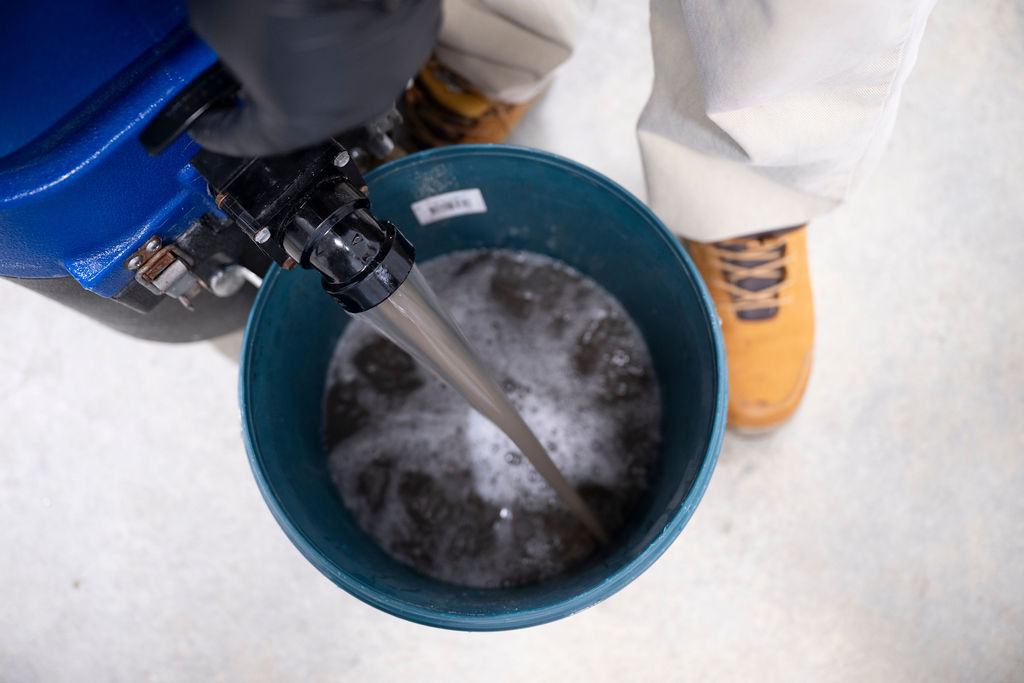
Why Professional Carpet Cleaning Helps Improve Indoor Air Quality
Your carpet traps dust, allergens, and dust mites that affect the air you breathe. Learn how professional carpet cleaning in Auckland helps improve indoor air quality.
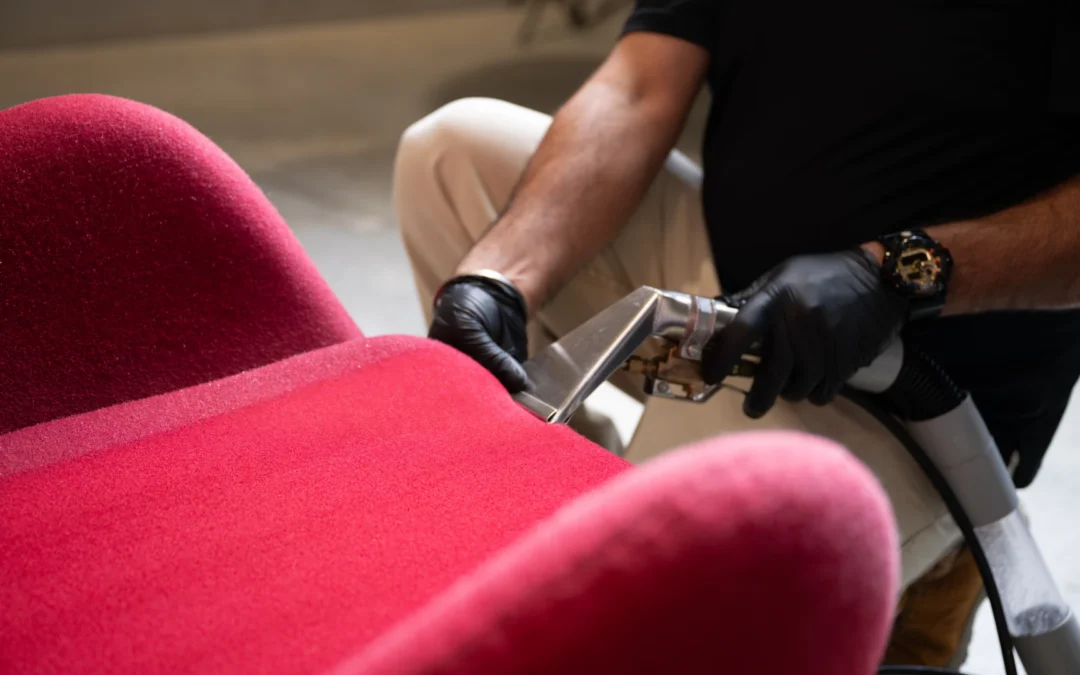
Upholstery Cleaning Tips for Sofas, Chairs, and Fabric Furniture
Keep your sofa and chairs fresh with simple upholstery cleaning tips. Learn how to spot clean fabric, protect delicate materials, and when to call a professional.
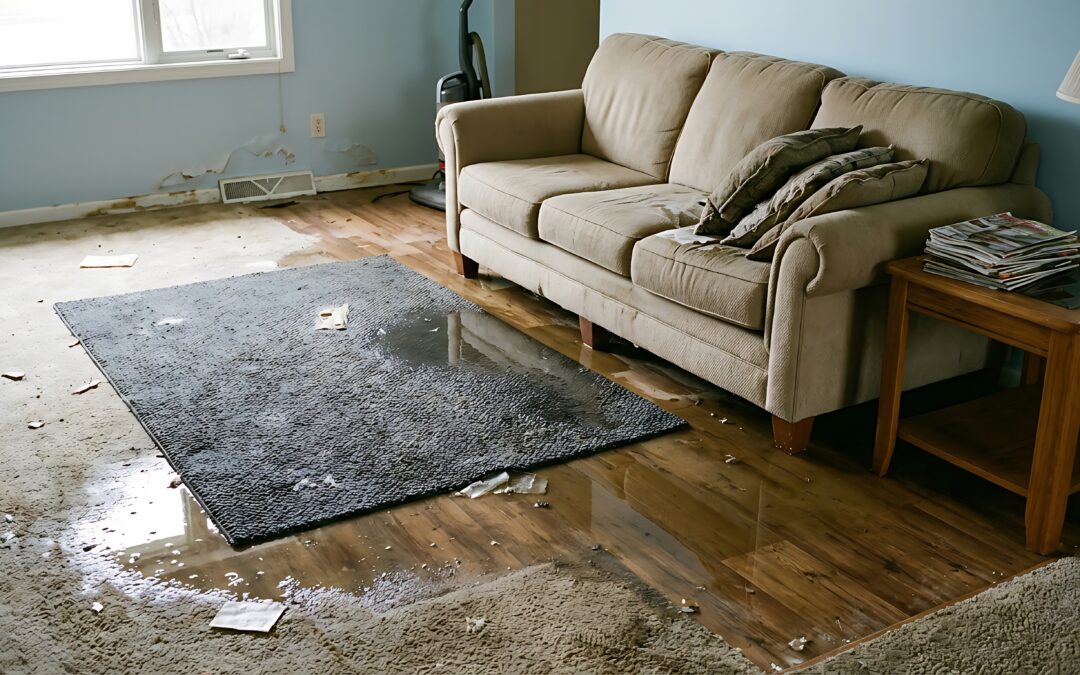
What to Do After Flood Damage to Carpets and Soft Furnishings
Flooded carpets and furniture? Learn the steps to take after flood damage, how to stay safe, and why fast professional flood recovery helps save your home.
As Auckland’s spider exterminators, the Ajet Services Pest Control team are more than familiar with the humble spider. And while they may be everyone’s least favourite houseguest, they are quite interesting and can help control other insects in your home. In this article, we’ll share ten of our favourite spider facts that may make you see these creepy crawlies in a different light.
1. There are thousands of different types of spiders:
In New Zealand alone it’s estimated there are around 2000 different species of Spiders. Some of the most common types are the golden orb web spider, grey house spider, large brown vagrant spider, katipo spider, Avondale spider and White-tailed spider. Spiders range from tiny to gigantic, and the diversity of species can be overwhelming, particularly when trying to get rid of spiders.
2. Spiders are older than dinosaurs:
According to the Australian Museum spider fossils have been found dating back more than 380 million years. Meaning spiders have been roaming the earth for at least 150 million years longer than dinosaurs!
3. New Zealand’s spiders are small:
The Nelson cave spider is New Zealand’s largest native spider which can measure up to 13cm in length. For comparison, the world’s largest spider the Goliath Birdeater which is commonly found in northern South America can grow as large as 30cm in length. As spider pest control experts, it’s an easy decision for which one we’d rather take care of!
4. Most spiders aren’t venomous:
The thought of spiders may send shivers down your spine, however, it’s important to note most spiders in New Zealand aren’t venomous. There are only 3 species you should avoid are, the katipō, the redback and the white-tailed spider. Interestingly, though they can pack a punch, white-tailed spider bites are not considered poisonous to humans. If you are wanting to identify a type of spider have a look at our blog on this.
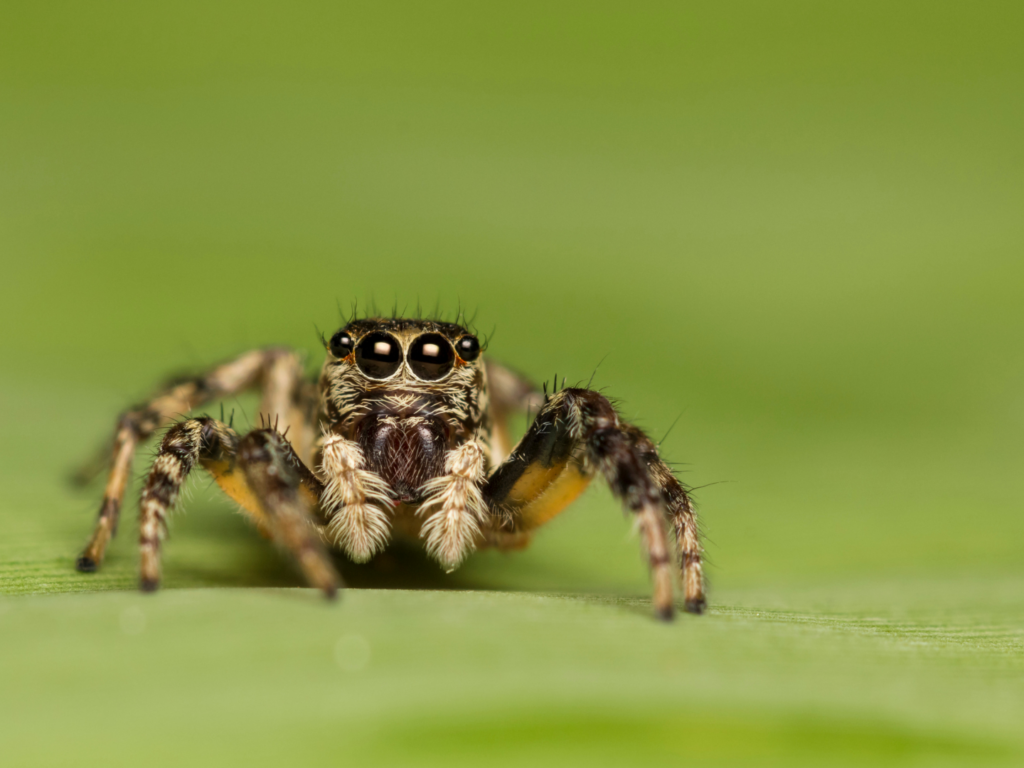
5. Masters at hiding:
Spiders have developed remarkable adaptations to blend in with their environment. Some species will mimic other insects such as ants by utilising similar body shapes, colours or movements. By doing this the spider can avoid detections and surprise their prey.
6. Spiders are everywhere:
This might freak you out, but it’s estimated by a famous arachnologist Norman Platnick that you are never more than 10 feet away from a spider! In good news, most of the time they are hiding away minding their own business.
7. Spiders can grow new body parts:
Spiders possess the remarkable ability to regrow lost body parts. For example, if a spider loses a leg, it can regrow the missing limb during its next moult. This extraordinary power enables spiders to quickly recover from serious injuries.
8. Spiders have blue blood:
Unlike humans, spiders have blue blood! There is a scientific explanation for this. Humans, use blood to transport oxygen around the body. The oxygen is connected to a molecule that contains irons. This is what gives our blood a red colour. In spiders, the oxygen is bound to a molecule that contains copper which creates the blue colour.
9. Spiders are astounding hunters:
To live for 380 million years spiders have created innovative ways to catch prey. Not all spiders use webs to catch prey. Some species rely on their speed, agility and senses to catch their food.
10. Female spiders have a large appetite:
This isn’t great news for male spiders. Some spider species will eat their male counterparts before, during or after sexual activity. The behaviour of sexual cannibalism is what inspired the name of the black widow spider.
With these facts in mind, it’s no wonder that spiders are unwanted house guests. If you’re ready to say goodbye to the spiders at your home or office call Ajet Services Pest Control today.

Family Owned and Operated!