
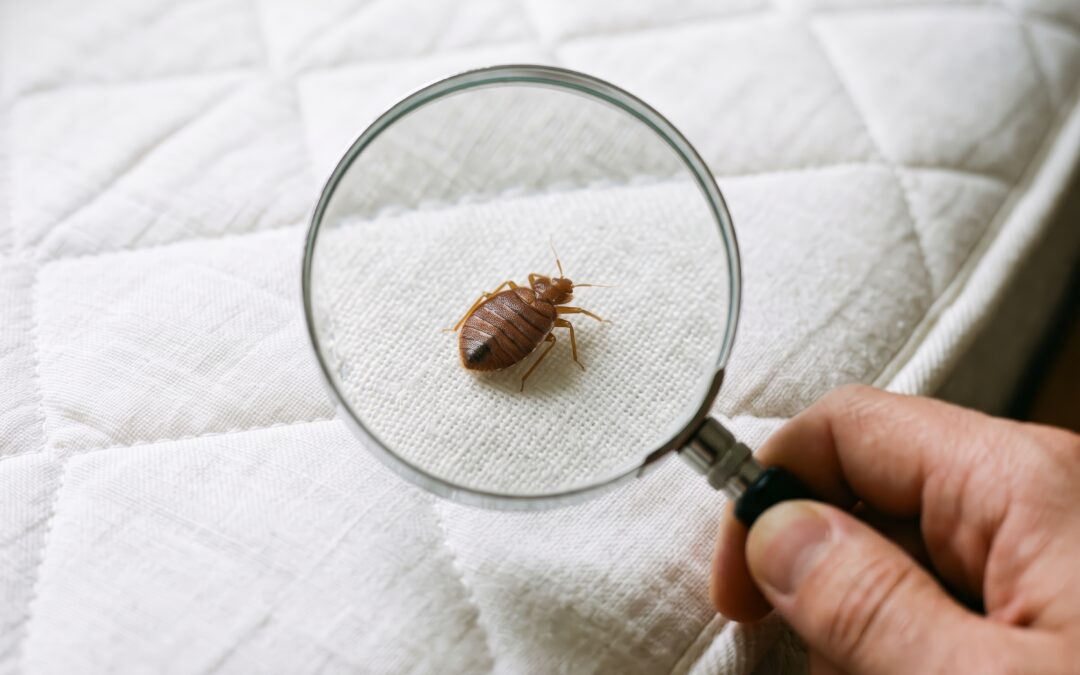
Not sure if you have bed bugs? Learn the clear warning signs, why they spread so fast, and what to do next to clear them with professional treatment in Auckland.
How UV Light Inspection Revealed Hidden Pet Urine Damage and Saved Thousands in Unnecessary Repairs
Saturday, Aug 22
Written by Anita Collins-Preiss
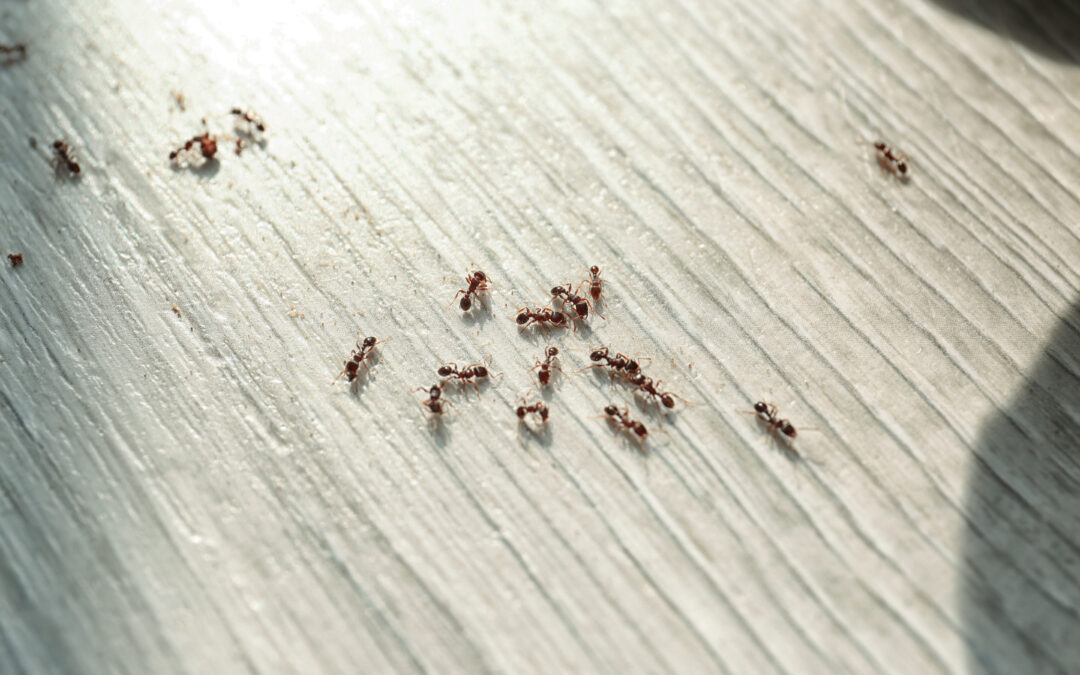
How to Tell if You Need Professional Ant Control
A few ants or a real infestation? Learn the signs you need professional ant control in Auckland, why sprays fail, and how treating the nest stops ants for good.

How Often Should You Clean Carpets in Auckland Homes?
How often should you clean your carpets? Learn the right timing for Auckland homes, when to clean more often, and why professional cleaning beats DIY.
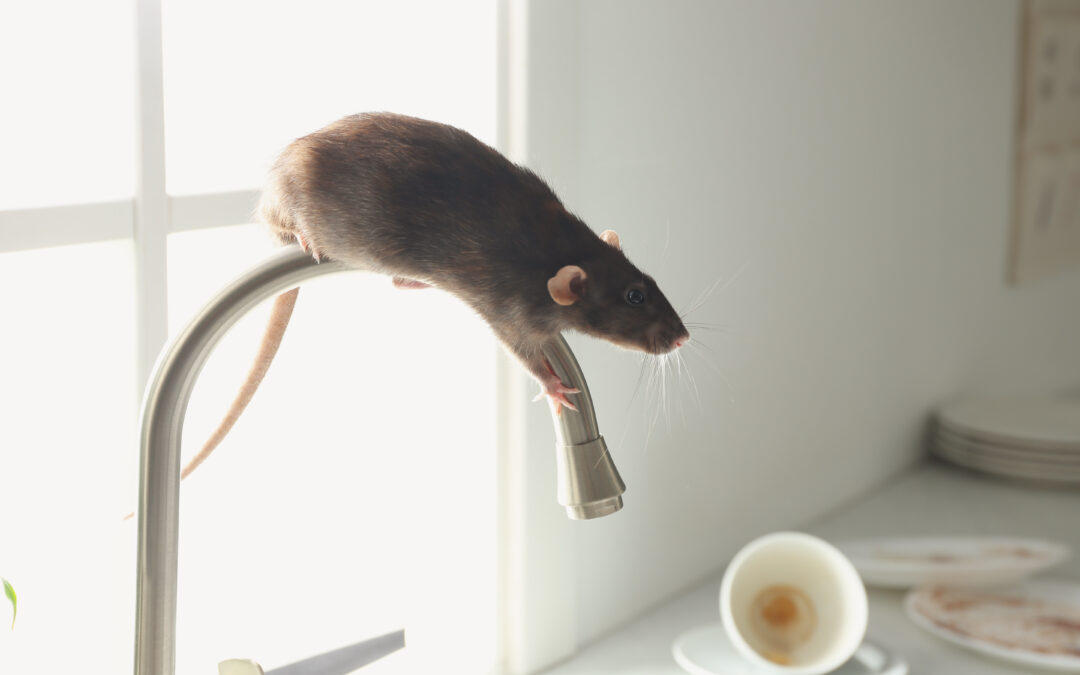
Why Mice and Rats Enter Auckland Homes in Winter
Rats and mice head indoors as Auckland cools down. Learn why they enter homes in winter, the risks they bring, and how rodent control keeps them out.
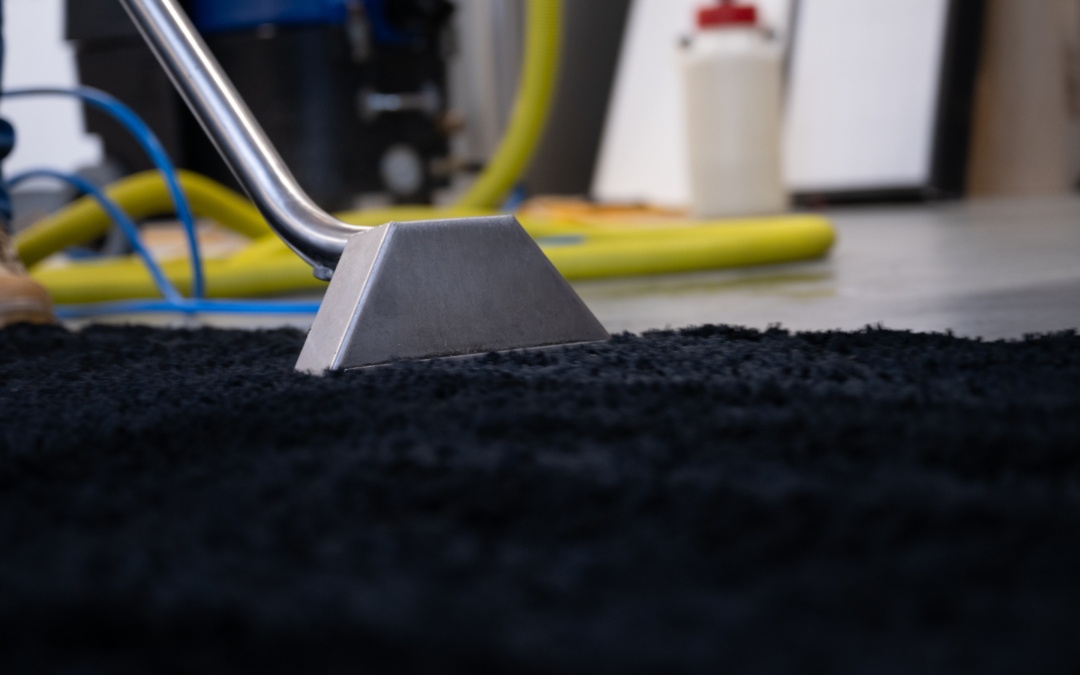
How Much Does Carpet Cleaning Cost in Auckland?
Wondering what carpet cleaning costs in Auckland? Learn what affects the price, why the cheapest quote is not always best, and how to get the best value.
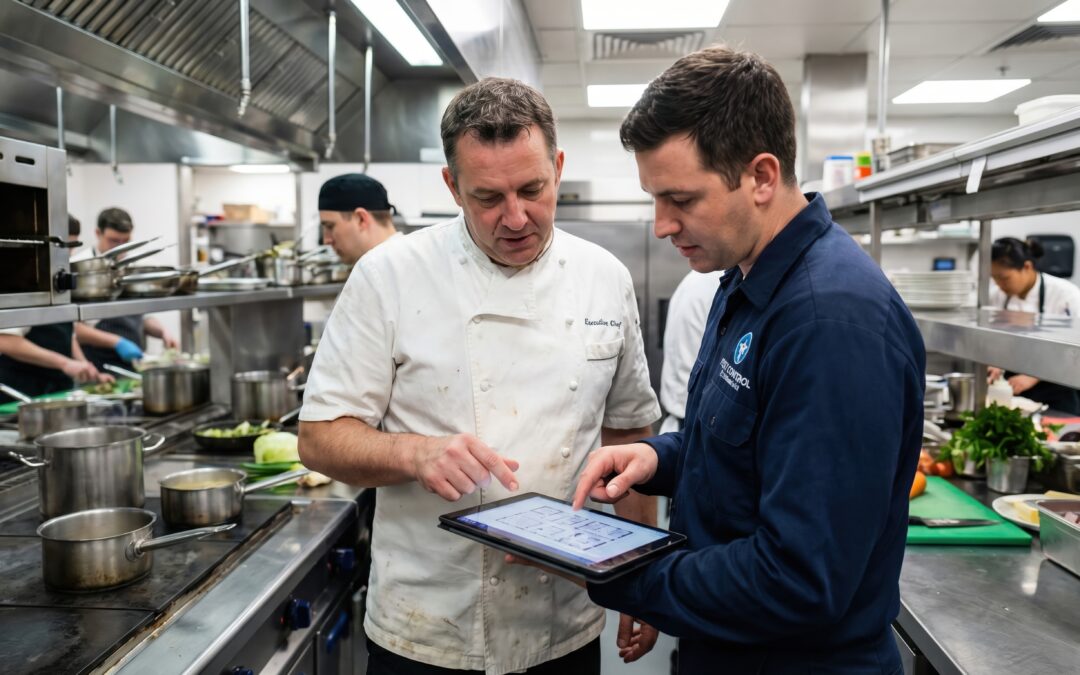
What Auckland Businesses Should Know About Ongoing Pest Management
Ongoing pest management protects your Auckland business from costly outbreaks. Learn how commercial pest control works and why it beats one-off call-outs.
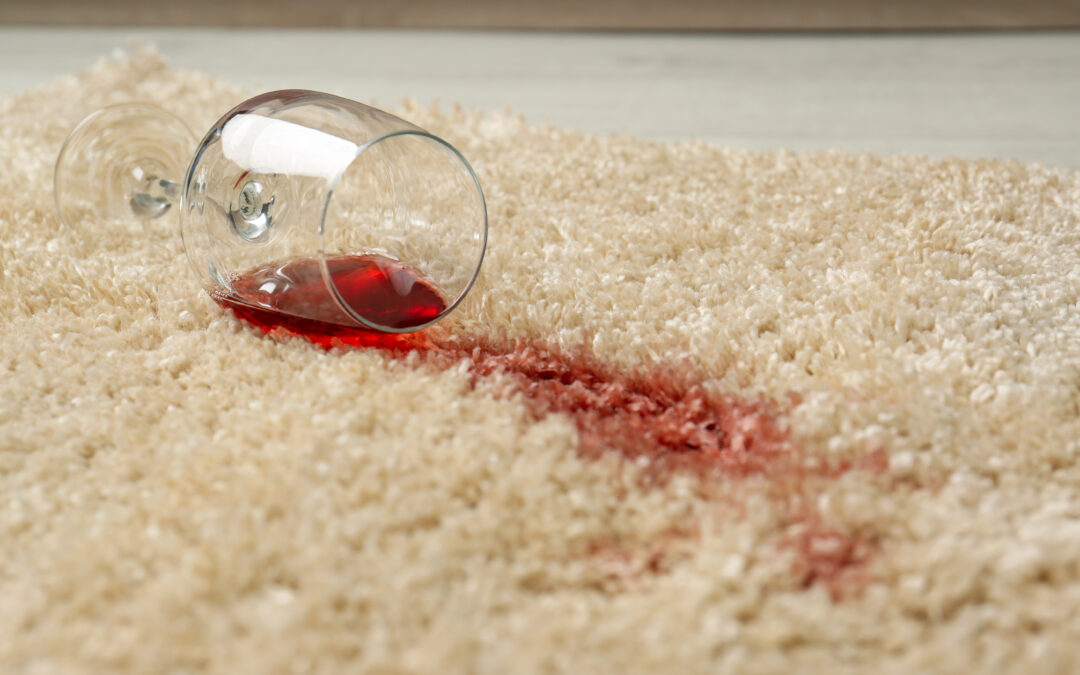
Carpet Stain Removal: What Works for Wine, Coffee, and Pet Stains
Wine, coffee, or pet stains on your carpet? Learn what actually works for carpet stain removal at home, the mistakes to avoid, and when to call a professional.
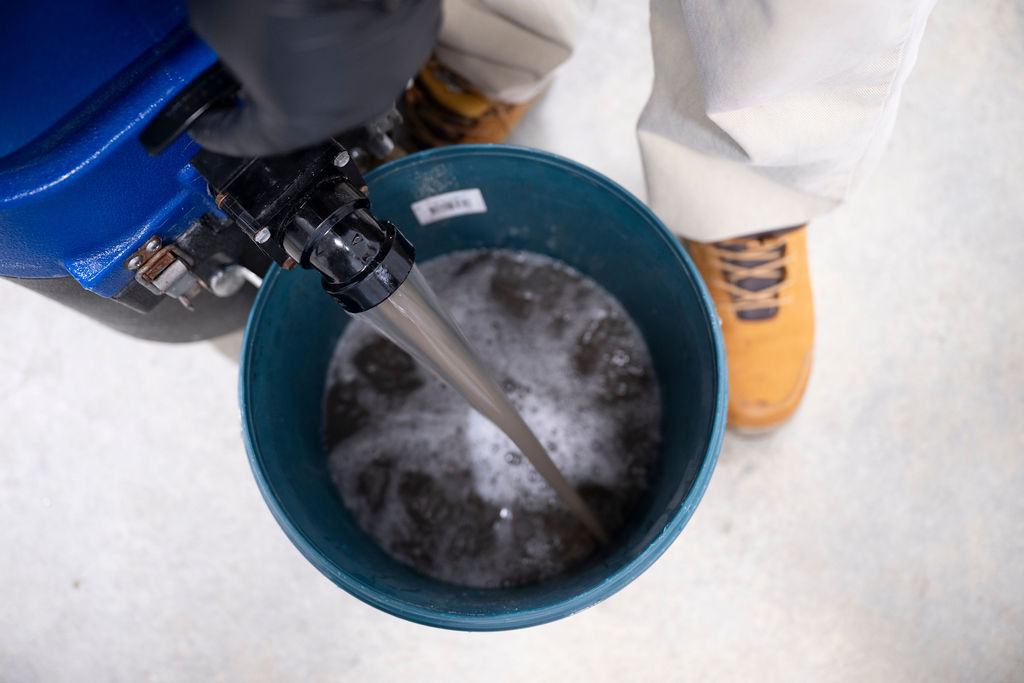
Why Professional Carpet Cleaning Helps Improve Indoor Air Quality
Your carpet traps dust, allergens, and dust mites that affect the air you breathe. Learn how professional carpet cleaning in Auckland helps improve indoor air quality.
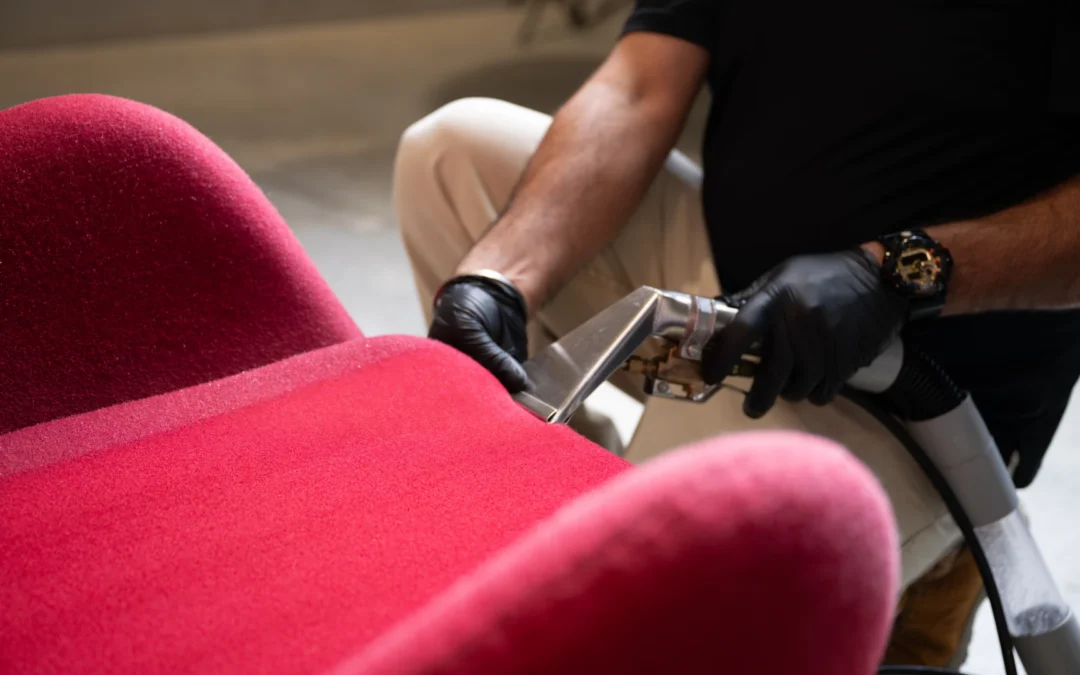
Upholstery Cleaning Tips for Sofas, Chairs, and Fabric Furniture
Keep your sofa and chairs fresh with simple upholstery cleaning tips. Learn how to spot clean fabric, protect delicate materials, and when to call a professional.
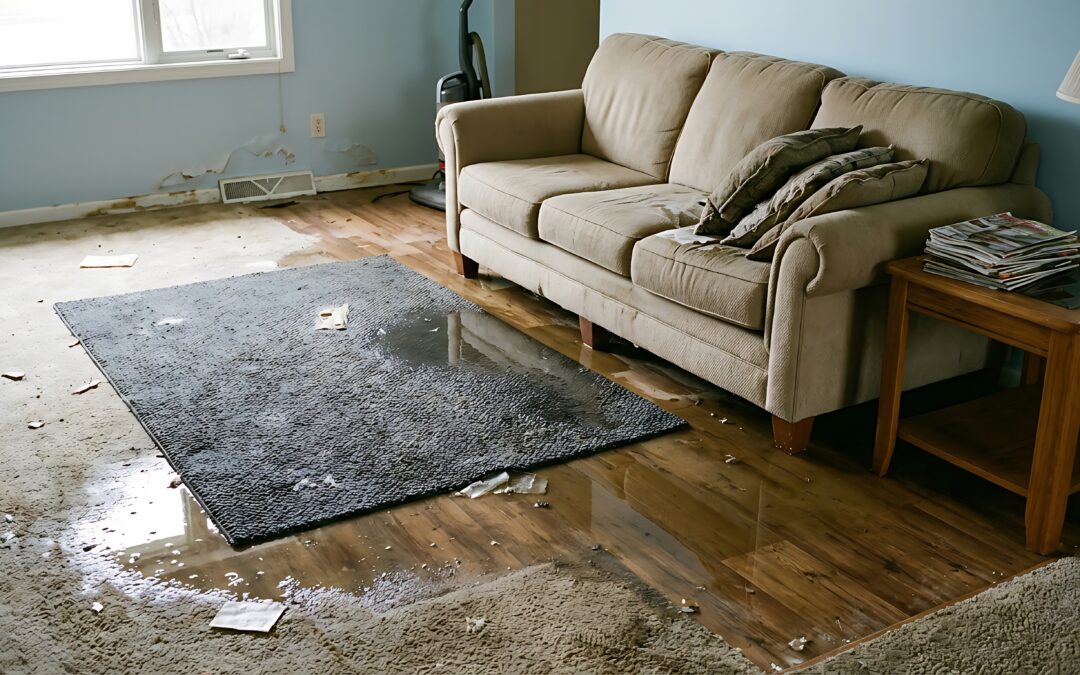
What to Do After Flood Damage to Carpets and Soft Furnishings
Flooded carpets and furniture? Learn the steps to take after flood damage, how to stay safe, and why fast professional flood recovery helps save your home.
How UV Light Inspection Revealed Hidden Pet Urine Damage and Saved Thousands in Unnecessary Repairs
TL;DR: A professional UV light inspection uncovered pet urine contamination across multiple rooms that wasn’t visible to the naked eye. The homeowner avoided costly property-wide treatment by targeting remediation to affected areas only, saving thousands in unnecessary costs.
The Problem: Invisible Damage That Could Cost Thousands
A property manager handed back a high-end residential home after a long-term tenancy. The carpets looked reasonably clean on the surface. But there was a lingering odour nobody could pinpoint, and the owner suspected hidden pet urine damage underneath.
Without professional inspection, he faced an impossible choice. Spend money treating the entire property just to be safe? Or risk leaving contamination untreated and watching the damage spread?
He chose to get clarity instead of guessing.
The Challenge: Where Is the Damage Really Coming From?
Pet odours are deceptive. You might smell urine in one room, but the actual contamination could be scattered across multiple locations. Some affected areas show no visible damage at all — the stain is underneath the carpet or absorbed into flooring beneath.
A standard property inspection simply wasn’t enough. The homeowner needed objective evidence. He needed to know exactly where the contamination was, how widespread it was, and what areas actually needed treatment.
Guessing wrong could mean overspending on unnecessary treatment. Or worse, missing contamination that would cause ongoing odour and hygiene problems.
The Approach: Professional UV Light Inspection
Professional UV light inspection is a specialist technique that reveals organic contamination invisible under normal lighting. Urine, bodily fluids, and other biological matter fluoresce under UV light, making contamination visible and measurable.
The inspection involved three steps.
Step 1: Systematic Room-by-Room Inspection
The entire property was inspected methodically under UV light. Each room was assessed separately. This approach revealed where contamination existed and where it did not — crucial information for targeting treatment efforts.
Step 2: Documenting Locations and Extent
Every contaminated area was documented with specific details. This wasn’t guesswork or assumptions. It was factual, observable evidence showing exactly which carpets, walls, and floor sections needed attention.
Step 3: Creating a Targeted Remediation Plan
Armed with clear data, a focused remediation plan was created. Instead of recommending property-wide treatment, the plan concentrated on affected areas only. This delivered several direct benefits.
The Results: Clarity That Saved Thousands
The inspection revealed contamination throughout all carpeted rooms within the home. Additional contamination was also found on a bedroom wall and hard flooring in the family room.
Importantly, most of these affected areas showed little or no visible signs of damage under normal lighting. Without professional inspection, the contamination would have remained hidden. The homeowner would have either overspent treating areas that didn’t need treatment or left contamination untreated.
Instead, he got three valuable outcomes:
- No paying for unnecessary treatment to unaffected areas
- Faster and more efficient remediation focused only on real problem areas
- Reduced overall remediation costs — estimated savings of thousands of dollars
The targeted approach meant the homeowner knew exactly what he was paying for and why. Every pound spent addressed a real, documented problem.
Key Takeaways: What This Means for You
If you’re returning a rental property or managing a property after a tenancy, don’t guess about contamination. Professional inspection removes the uncertainty.
Here’s what to take away from this case study:
- Visible damage tells only half the story. Hidden contamination is often worse than what you can see.
- Professional UV light inspection provides objective evidence you can trust and act on.
- Targeted treatment based on real data costs less than property-wide remediation.
- Clear evidence of contamination helps if you need to pursue compensation through the Tenancy Tribunal.
Hidden contamination is one of the most expensive problems property owners face after a tenancy ends. Professional inspection helps you identify it, treat it strategically, and protect your investment.
What to Do Next
If you suspect hidden pet urine damage or contamination in your property, don’t wait. Early detection prevents further damage, stops odour problems before they spread, and saves money on remediation.
Schedule a professional UV light inspection today. Our team will give you clear, documented evidence of your property’s true condition. You’ll make informed decisions instead of expensive guesses.
Frequently Asked Questions
How accurate is UV light inspection for detecting urine contamination?
UV light inspection is highly effective for identifying organic contamination like urine. It reveals areas invisible to the naked eye and provides objective evidence you can rely on for treatment planning.
Will UV light inspection damage my carpets or flooring?
No. UV light inspection is completely non-invasive. It simply reveals contamination that’s already there. Your property is not damaged during the inspection process.
How long does a property inspection take?
A typical residential property inspection takes 2–3 hours depending on size and the extent of contamination. You’ll receive a detailed report with findings and recommended next steps.
Can I get evidence from the inspection for a Tenancy Tribunal claim?
Yes. The inspection provides documented, professional evidence of contamination location and extent. This evidence supports your case when discussing damage recovery with former tenants or through the Tenancy Tribunal.
What’s the cost difference between inspection and property-wide treatment?
Professional inspection is a small upfront cost that prevents far larger expenses. By identifying only the areas that need treatment, you avoid spending thousands on unnecessary remediation.
Don’t guess about contamination. Get a professional contamination inspection and save thousands on targeted remediation.

Family Owned and Operated!