
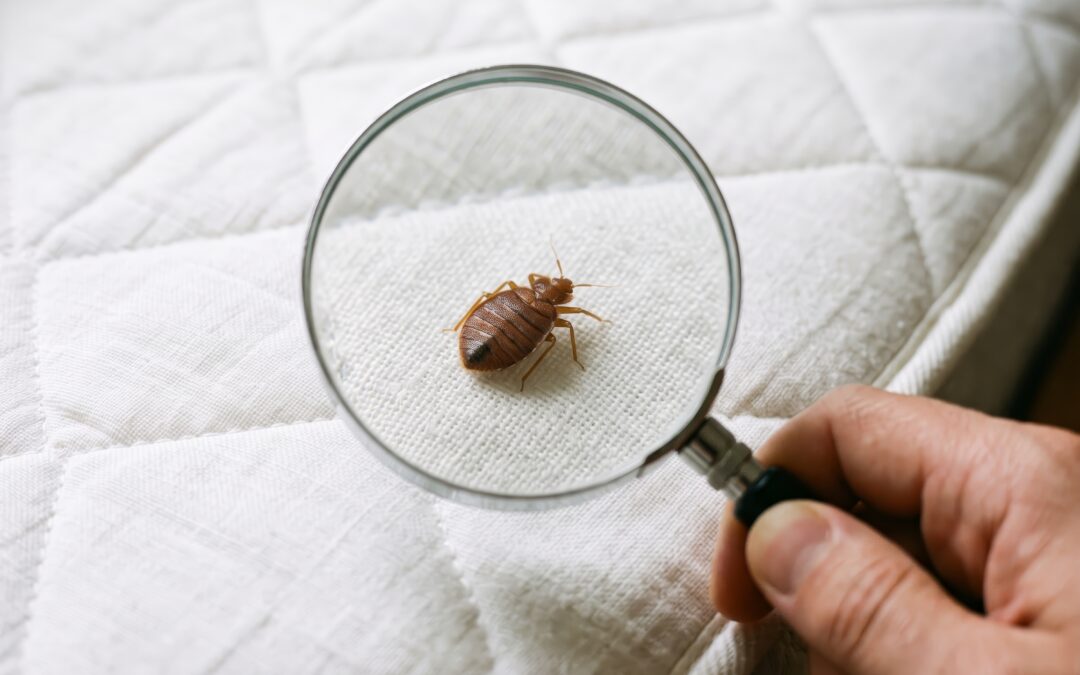
Not sure if you have bed bugs? Learn the clear warning signs, why they spread so fast, and what to do next to clear them with professional treatment in Auckland.
Written by Anita Collins-Preiss
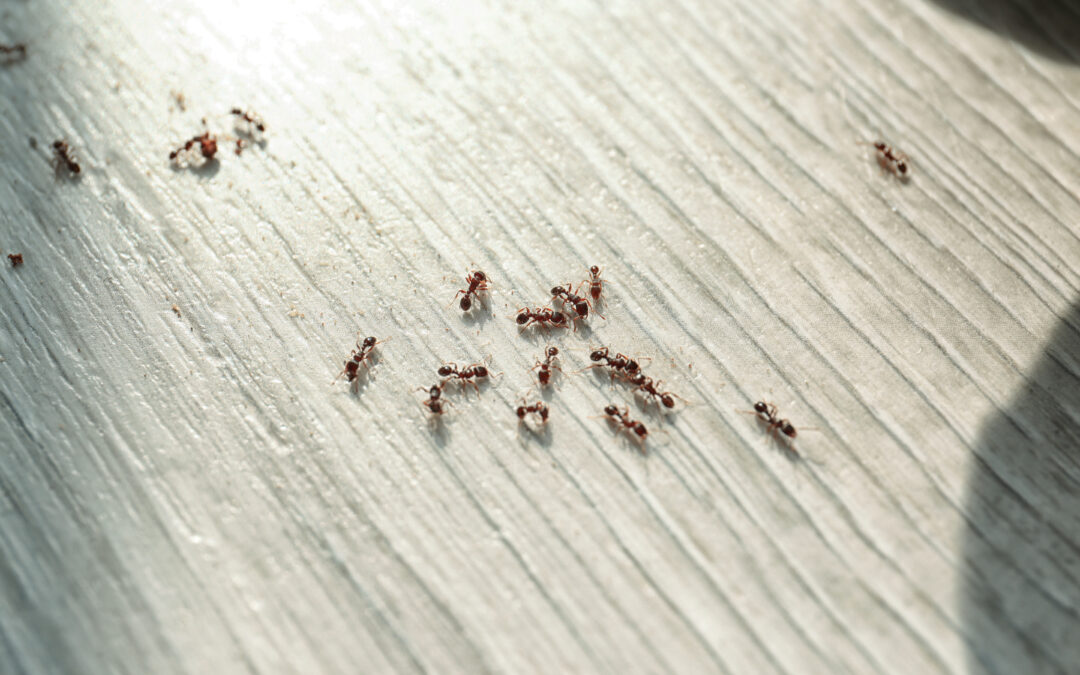
How to Tell if You Need Professional Ant Control
A few ants or a real infestation? Learn the signs you need professional ant control in Auckland, why sprays fail, and how treating the nest stops ants for good.

How Often Should You Clean Carpets in Auckland Homes?
How often should you clean your carpets? Learn the right timing for Auckland homes, when to clean more often, and why professional cleaning beats DIY.
How Much Does Carpet Cleaning Cost in Auckland?
Wondering what carpet cleaning costs in Auckland? Learn what affects the price, why the cheapest quote is not always best, and how to get the best value.

What Auckland Businesses Should Know About Ongoing Pest Management
Ongoing pest management protects your Auckland business from costly outbreaks. Learn how commercial pest control works and why it beats one-off call-outs.

Carpet Stain Removal: What Works for Wine, Coffee, and Pet Stains
Wine, coffee, or pet stains on your carpet? Learn what actually works for carpet stain removal at home, the mistakes to avoid, and when to call a professional.
Why Professional Carpet Cleaning Helps Improve Indoor Air Quality
Your carpet traps dust, allergens, and dust mites that affect the air you breathe. Learn how professional carpet cleaning in Auckland helps improve indoor air quality.
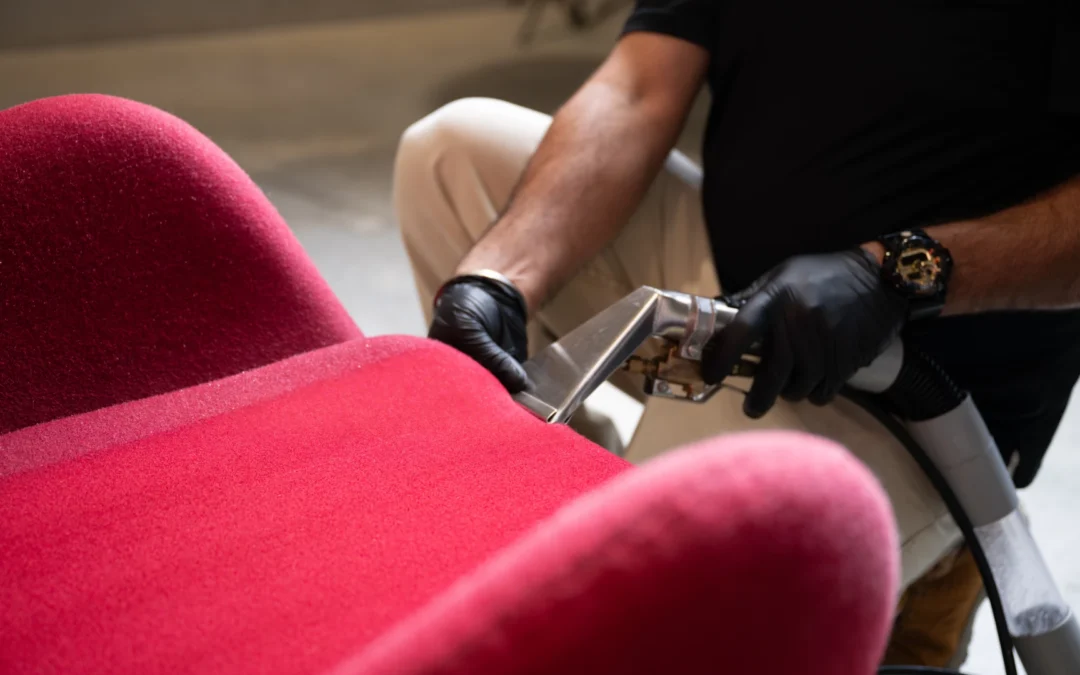
Upholstery Cleaning Tips for Sofas, Chairs, and Fabric Furniture
Keep your sofa and chairs fresh with simple upholstery cleaning tips. Learn how to spot clean fabric, protect delicate materials, and when to call a professional.
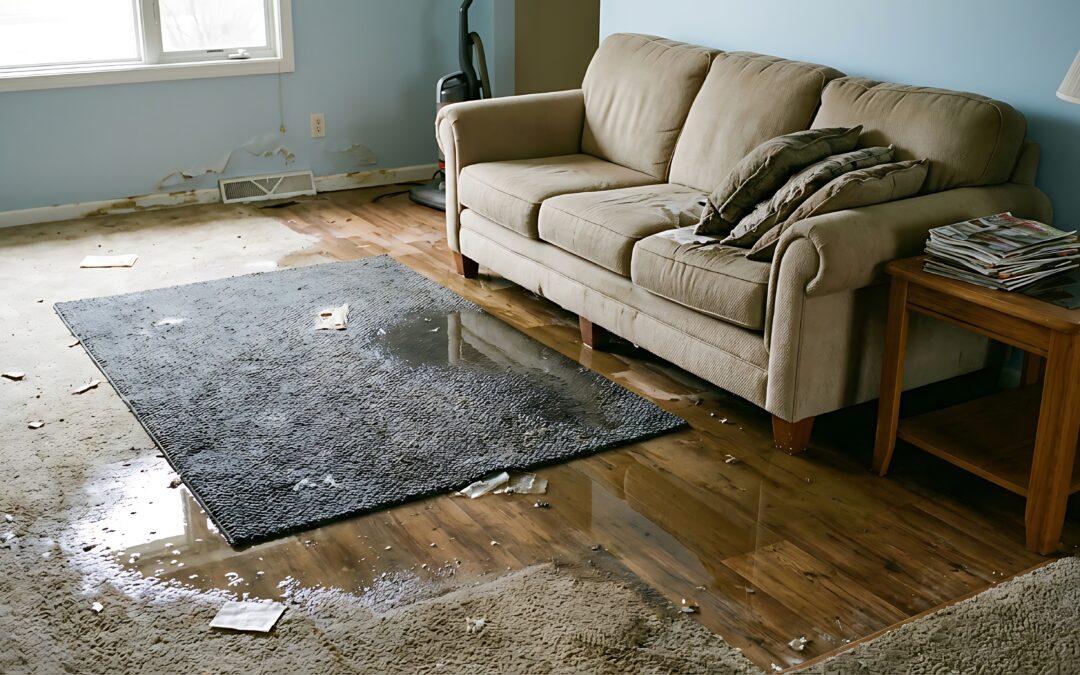
What to Do After Flood Damage to Carpets and Soft Furnishings
Flooded carpets and furniture? Learn the steps to take after flood damage, how to stay safe, and why fast professional flood recovery helps save your home.
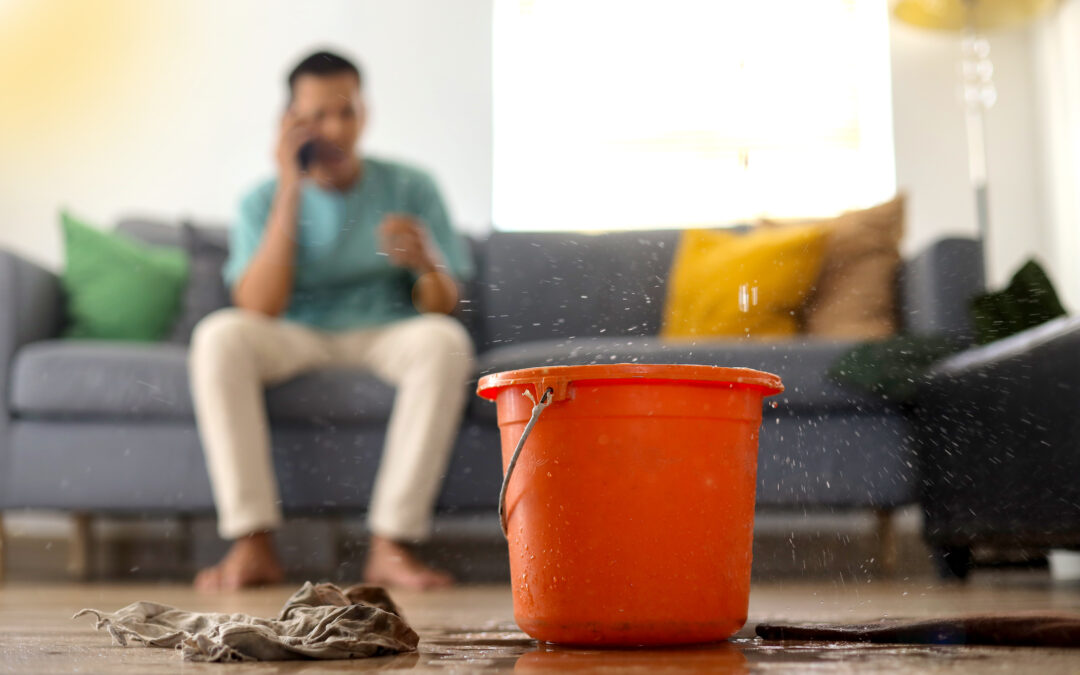
What to Expect from an Emergency Pest Control or Flood Recovery Callout
Facing a pest outbreak or flood? Learn what to expect from an emergency pest control or flood recovery call-out in Auckland and how to be ready when it counts.
TL;DR: Rats and mice move into Auckland homes in the cooler months looking for warmth, dry shelter and easy food. They get in through small gaps, breed fast and chew wiring, so sealing entry points early and calling in professional rodent control at the first sign stops a small problem from growing.
Scratching in the ceiling at night is a sound many Auckland households know well once the weather turns. As it gets colder and wetter outside, rats and mice start looking for somewhere warmer, and a roof space or wall cavity is exactly what they want.
Once they are inside, they settle in quickly. A quiet corner with food nearby is all a rodent needs to start a nest. In this post, you’ll learn why rodents head indoors as the weather cools, how they get in, the damage and health risks they bring, and what you can do to keep them out.
Why Rodents Move Indoors When It Gets Cold
Rats and mice spend the warmer months outside, in gardens, bush edges, compost heaps and under decks. When temperatures drop and the rain sets in, food outdoors gets harder to find and outdoor nests get cold and wet. A house offers everything they are missing: warm air rising into the ceiling, dry insulation to nest in, and food in the pantry, the bin or the pet bowl.
Auckland’s mild, damp climate plays a part too. Many homes back onto reserves, gardens or bush, which keeps a steady rodent population close by. Older homes and villas often have more gaps under the floor and around the roofline, but newer homes are not immune. A single loose vent cover or a gap around a pipe is enough to let them in.
How Rats and Mice Get Inside
Rodents are very good at squeezing through small openings. Mice need only a tiny gap, and rats can make a hole bigger by gnawing at its edges. Both climb well, so the roof is just as likely an entry point as the ground floor. Common ways in include:
- Gaps where pipes and cables enter the walls
- Damaged or missing vent covers
- Gaps under garage doors and around door frames
- Roof edges and eaves reached from overhanging branches or fences
- Subfloor spaces with open or broken access panels
Once inside, rodents follow the same paths each night, often along walls and through the ceiling. That is why you tend to hear them in the same spot, usually after dark.
The Damage and Health Risks
Rodents gnaw constantly to keep their teeth in check. Inside a home, that means electrical wiring, insulation, pipes, timber and stored boxes. Chewed wiring is a real fire risk, and damage inside walls and ceilings often goes unseen until it is expensive to fix.
There is a health side as well. Rats and mice leave droppings and urine on benches, in pantries and in the roof space, and they can carry bacteria onto surfaces where food is prepared. For families with young children, tenants in rental properties, or any business that handles food, this is a health and safety issue, not just a nuisance. If you are not sure whether you have a problem yet, our guide to the signs of rats and rodents in your home covers what to look for, from droppings to gnaw marks.
How to Keep Rodents Out This Winter
Prevention comes down to making your home harder to get into and less rewarding once they are there. Start before the weather turns if you can.
- Seal gaps around pipes, vents and door frames with steel wool or a hard filler that rodents cannot easily chew through
- Store food, including pet food and bird seed, in sealed containers
- Clear clutter from the garage, shed and roof space where rodents like to nest
- Keep bins closed, and move compost and firewood away from the house
- Trim branches and climbing plants that touch the roof or gutters
These steps lower the chance of rodents moving in, but they will not clear an infestation that has already started. Traps may catch a few, but they rarely find the nest or block every way in.
When to Call for Rodent Control in Auckland
If you have seen droppings, heard scratching at night or found chewed food packaging, rodents are already inside. Because they breed quickly, a couple of mice can become a much bigger problem within a few months, so it pays to act early.
Ajet Services’ rat and mice control service starts with a thorough inspection, then uses targeted baiting, trapping and exclusion work to deal with the rodents and block the ways they are getting in. Rodent control is part of our wider Auckland pest control service, so one call can cover more than one pest. Ajet Services has been keeping Auckland homes and businesses pest free for 35 years, with a fast response across South Auckland, East Auckland, Auckland Central, the North Shore and West Auckland.
Frequently Asked Questions
How do I know if I have rats or mice?
Look for droppings, gnaw marks, greasy smudges along walls and scratching sounds at night, especially in the roof or walls. Rat droppings are noticeably bigger than mouse droppings. Our guide to the different types of rodents in New Zealand can help you work out which one you are dealing with.
Why do I have rodents if my house is clean?
Rodents come inside for warmth and shelter, not just food. Even a tidy home is attractive in winter if there are gaps they can use.
Are traps enough?
Traps catch some rodents, but they rarely clear an infestation or seal the entry points, so professional rodent control is more reliable.
Key Takeaways
- Rats and mice move indoors in the cooler months for warmth, shelter and food.
- They get in through small gaps around pipes, vents, doors and the roofline, so sealing these early is the best prevention.
- Chewed wiring is a fire risk, and droppings on food surfaces are a health risk.
- Droppings, gnaw marks or scratching at night mean rodents are already inside.
- Professional rodent control finds the entry points and the nest, which traps alone rarely do.
Hearing scratching in the ceiling? Call Ajet Services on 0800 862 538, or request a free rodent control quote online.

Family Owned and Operated!